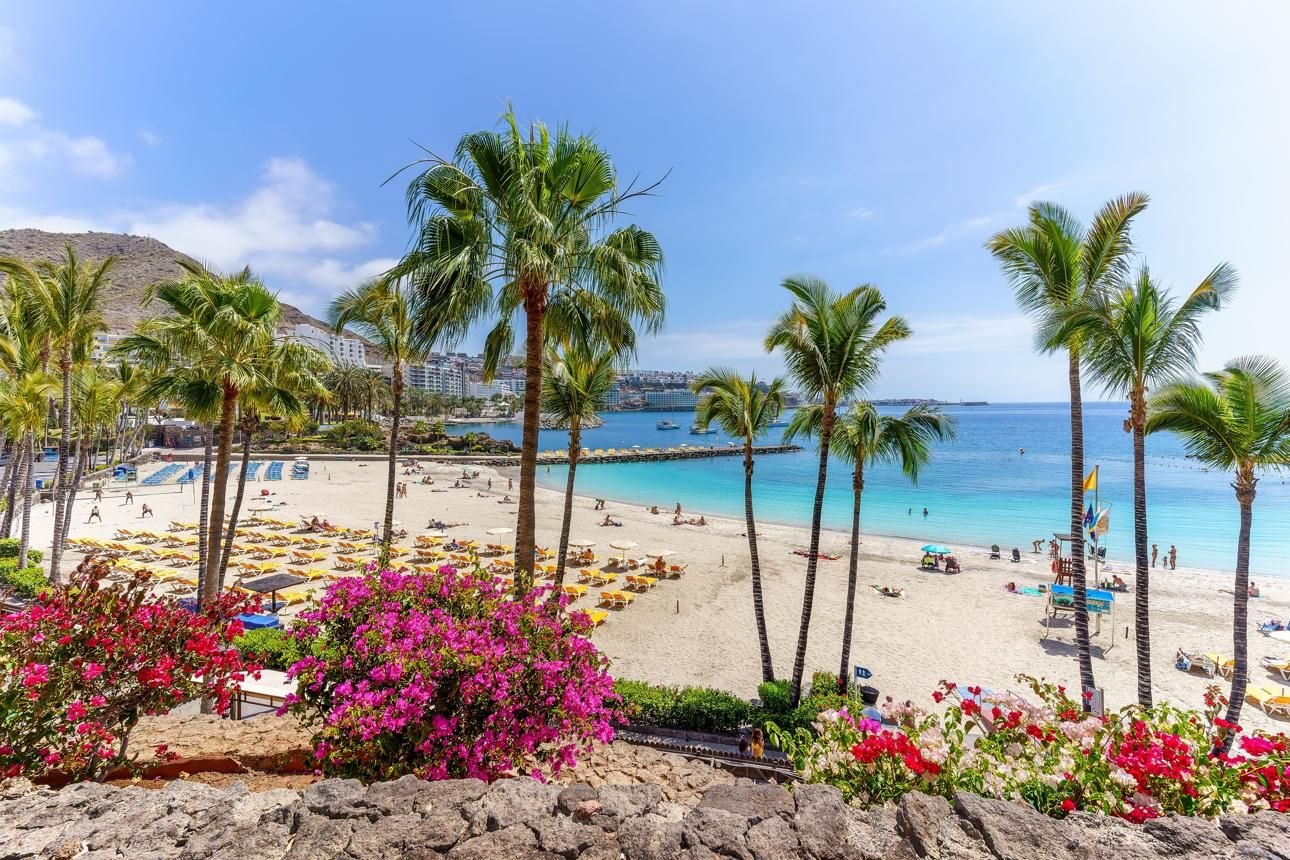
The Canary Islands are one of Europe’s most diverse holiday destinations, combining year-round sunshine, volcanic landscapes, golden and black-sand beaches, dramatic mountains, historic towns, traditional villages, and a distinctive island culture. Located in the Atlantic Ocean off the northwestern coast of Africa, this Spanish archipelago attracts beach lovers, hikers, families, surfers, nature enthusiasts, and travelers seeking a relaxed escape.
Unlike destinations defined by a single landscape, the Canary Islands offer remarkable variety across their seven principal islands. Tenerife has Spain’s highest mountain, Gran Canaria combines lively resorts with mountainous interiors, Lanzarote is famous for its volcanic scenery, and Fuerteventura is known for its expansive beaches. La Palma, La Gomera, and El Hierro appeal particularly to visitors interested in nature, hiking, and quieter island experiences.
Whether you are planning a beach holiday, a road trip, a family vacation, or an extended stay, the Canary Islands provide a wide range of experiences in a relatively compact geographical area.
1. Overview of the Canary Islands
Essential destination facts
| Feature | Details |
|---|---|
| Official name | Canary Islands (Islas Canarias) |
| Country | Spain |
| Geographic region | Atlantic Ocean, off northwestern Africa |
| Political status | Autonomous community of Spain |
| Capital | Shared between Las Palmas de Gran Canaria and Santa Cruz de Tenerife |
| Main language | Spanish |
| Currency | Euro (€) |
| Time zone | Western European Time; one hour behind mainland Spain |
| Climate | Subtropical, with regional and altitude variations |
| Main islands | Tenerife, Gran Canaria, Lanzarote, Fuerteventura, La Palma, La Gomera, El Hierro |
| Other inhabited island | La Graciosa |
| Main international airports | Tenerife South, Gran Canaria, Lanzarote, Fuerteventura |
| EU status | Part of Spain and the European Union, with special tax arrangements |
| Best-known attractions | Mount Teide, Maspalomas Dunes, Timanfaya National Park, beaches, laurel forests |
| Popular activities | Swimming, hiking, surfing, diving, whale watching, road trips |
The Canary Islands are geographically closer to Africa than to mainland Europe, but they are politically and administratively part of Spain. Their location, volcanic origins, Atlantic trade winds, and varied elevations have created an unusual mixture of environments, from dry desert-like terrain to humid forests and alpine volcanic landscapes.
The archipelago is a popular destination throughout the year. While winter temperatures are generally mild near the coast, higher mountain areas can experience cold weather, strong winds, and even snow.
2. Where Are the Canary Islands?
The Canary Islands lie in the Atlantic Ocean, west of Morocco and Western Sahara. They form part of the Macaronesia region, a geographical grouping that also includes Madeira, the Azores, Cape Verde, and the Savage Islands.
The archipelago is made up of islands created by volcanic activity. Their location and terrain influence everything from local agriculture to the distribution of beaches, vegetation, and settlements.
The eastern islands, especially Lanzarote and Fuerteventura, are relatively dry and low-lying. Tenerife and Gran Canaria have higher central mountains and more pronounced differences between their northern and southern coasts. The western islands, including La Palma, La Gomera, and El Hierro, are known for steep landscapes, deep ravines, forests, and rugged coastlines.
This geographical diversity allows visitors to experience several different environments during a single trip.
3. The Seven Main Islands of the Canary Islands
Each island has its own personality, scenery, and travel advantages. Choosing the right island is one of the most important decisions when planning a holiday.
1. Tenerife
Best for first-time visitors, families and varied landscapes
Tenerife is the largest island by population and home to Mount Teide, Spain’s highest peak. It offers major beach resorts, historic towns, forested mountain roads, dramatic cliffs, and excellent opportunities for whale watching. Costa Adeje, Puerto de la Cruz, Los Cristianos, and La Laguna are among its most popular destinations.
2. Gran Canaria
Best for beaches, nightlife and varied day trips
Gran Canaria combines lively southern resorts with mountain villages, pine forests, deep ravines, and the historic capital Las Palmas de Gran Canaria. Maspalomas, Playa del Inglés, Puerto de Mogán, and the Roque Nublo area are among its major attractions.
3. Lanzarote
Best for volcanic scenery, art and distinctive architecture
Lanzarote is famous for its black and red volcanic terrain, whitewashed villages, lava fields, and the work of artist César Manrique. Timanfaya National Park, Jameos del Agua, the Green Lagoon at El Golfo, and the vineyards of La Geria make it one of the archipelago’s most distinctive islands.
4. Fuerteventura
Best for beaches, surfing and water sports
Fuerteventura is known for long sandy beaches, turquoise water, windsurfing, kitesurfing, and open landscapes. Corralejo, the Jandía Peninsula, Cofete Beach, and the island’s traditional inland villages are highlights. Its relatively dry climate makes it particularly attractive to beach-focused travelers.
5. La Palma
Best for hiking, forests and stargazing
Known as La Isla Bonita, or the Beautiful Island, La Palma features steep volcanic slopes, green forests, deep ravines, and exceptional night skies. Caldera de Taburiente National Park and the Roque de los Muchachos observatory area are major attractions. Visitors should check local access conditions because volcanic activity in 2021 reshaped parts of the island.
6. La Gomera
Best for nature, walking and peaceful villages
La Gomera is famous for Garajonay National Park, a UNESCO World Heritage Site containing ancient laurel forest. Its winding roads, terraced slopes, small settlements, and traditional whistled language, Silbo Gomero, offer a quieter alternative to the larger resort islands.
7. El Hierro
Best for tranquility, diving and sustainable travel
El Hierro is the smallest of the seven main islands and is particularly appealing to travelers seeking seclusion, dramatic coastlines, natural swimming pools, and diving. Its small villages and rural atmosphere make it suitable for a slower, more independent holiday.
What about La Graciosa?
La Graciosa is a small inhabited island north of Lanzarote, generally reached by ferry from Órzola. It is often described as the eighth inhabited island of the Canary Islands, although the seven larger islands form the traditional main-island group.
La Graciosa is known for sandy tracks, quiet beaches, low-rise settlements, and a relaxed atmosphere. It is especially suitable for walking, cycling, swimming when conditions permit, and escaping the busier resorts.
4. The Best Places to Visit in the Canary Islands
Beyond the islands themselves, the archipelago contains a remarkable collection of natural landmarks, historic settlements, coastal resorts, and cultural attractions.
Tenerife: volcanoes, historic towns and Atlantic scenery
Mount Teide National Park
Teide National Park is one of the archipelago’s most impressive natural attractions. Its volcanic terrain includes lava formations, craters, rock towers, and high-altitude landscapes. Mount Teide rises to approximately 3,715 metres above sea level, making it Spain’s highest peak.
Visitors can explore the park by car, stop at scenic viewpoints, follow designated hiking routes, or use the cable car when it is operating. Reaching the summit itself requires separate authorization and appropriate access arrangements. Weather, altitude, and occasional operational restrictions should be checked before visiting.
San Cristóbal de La Laguna
This historic university city is known for its traditional architecture, pedestrian-friendly streets, courtyards, churches, and colorful buildings. Its historic centre is a UNESCO World Heritage Site and offers a different atmosphere from Tenerife’s southern beach resorts.
Los Gigantes
The towering cliffs of Los Gigantes rise dramatically above the Atlantic Ocean on Tenerife’s western coast. Boat excursions provide impressive views of the cliffs and can sometimes include dolphin or whale watching.
Anaga Rural Park
In northeastern Tenerife, the Anaga mountains contain ancient laurel forests, steep ridges, remote hamlets, and walking trails. The area is especially attractive to hikers and travelers who want to discover the island beyond its beaches.
Puerto de la Cruz
Located on the northern coast, Puerto de la Cruz combines a traditional town centre, seafront promenades, gardens, and coastal swimming areas. Its greener surroundings contrast with the drier southern resorts.
Gran Canaria: beaches, dunes and mountain villages
8
Maspalomas Dunes
The protected dune landscape of Maspalomas is among the most recognizable sights in Gran Canaria. Golden sand, coastal vegetation, and the nearby lighthouse create a distinctive setting at the southern end of the island.
Visitors should stay on permitted paths to protect the fragile dune ecosystem.
Roque Nublo
Roque Nublo is a striking volcanic rock formation in the mountainous interior. It is one of Gran Canaria’s best-known natural landmarks and a rewarding destination for walkers, photographers, and road-trip travelers. Access and parking arrangements can be subject to local rules.
Las Palmas de Gran Canaria
The island’s capital offers an attractive mix of urban culture, shopping, museums, restaurants, and beach life. The historic Vegueta district is particularly notable for its architecture, while Las Canteras Beach is a popular place for swimming, walking, and dining beside the ocean.
Puerto de Mogán
Often nicknamed the “Little Venice” of Gran Canaria, Puerto de Mogán is known for its marina, pedestrian lanes, flowering balconies, restaurants, and small sandy beach. It is a popular choice for couples and travelers looking for a relaxed seaside atmosphere.
Tejeda
Situated in the island’s mountainous interior, Tejeda offers traditional Canarian architecture and views of the surrounding volcanic landscape. It is an excellent stop for travelers exploring the island by car.
Lanzarote: volcanic landscapes and artistic heritage
Timanfaya National Park
Timanfaya National Park showcases vast volcanic fields formed by historic eruptions. The landscape resembles a different planet, with dark lava, red-brown hills, and almost otherworldly formations. Access to the protected central area is controlled, and visitors generally explore it through the park’s designated visitor experiences.
Jameos del Agua
Created within a volcanic lava tunnel, Jameos del Agua is an extraordinary cultural attraction developed by César Manrique. It combines natural rock formations, architecture, landscaping, and a subterranean lagoon.
Cueva de los Verdes
This extensive lava tunnel offers guided underground visits that reveal the island’s volcanic history. It is an excellent complement to Lanzarote’s outdoor volcanic attractions.
El Golfo and the Green Lagoon
Near the village of El Golfo, a partially submerged volcanic crater contains a green lagoon known as Charco de los Clicos. The contrast between green water, black sand, and volcanic rock makes it one of the island’s most photographed coastal landscapes.
La Geria wine region
La Geria demonstrates how local farmers adapted agriculture to volcanic conditions. Grapevines grow in hollows dug into dark volcanic material, often protected by low semicircular stone walls against the wind. Visitors can discover local wineries and sample wines made from grapes such as Malvasía.
Fuerteventura: expansive beaches and outdoor adventures
7
Corralejo Natural Park
Located in the northeast, this protected area combines extensive sand dunes with clear Atlantic waters. The beaches are popular for swimming and water sports, although currents and wind conditions vary.
Cofete Beach
Cofete, on the remote western side of the Jandía Peninsula, is famous for its immense open beach and mountainous backdrop. The approach involves challenging road conditions, and the sea is often dangerous. It is best treated as a scenic destination rather than a reliably safe swimming beach.
Sotavento Beach
The southern part of Fuerteventura is famous for long stretches of sand, shallow lagoons at certain tides, and favorable conditions for windsurfing and kitesurfing. Conditions vary with wind, tide, and season.
Betancuria
This former island capital is one of Fuerteventura’s most historically significant settlements. Its quiet streets, traditional buildings, and surrounding hills provide a cultural contrast to the coastal resorts.
La Palma, La Gomera and El Hierro: the quieter islands
La Palma — Caldera de Taburiente National Park
A dramatic landscape of deep ravines, pine forests, waterfalls in season, and steep volcanic terrain. It is a major destination for hiking and nature photography.
La Gomera — Garajonay National Park
This UNESCO-listed forest is known for its mist-covered laurel trees, green mountain trails, and rich biodiversity. It is especially rewarding for walkers who enjoy cool, humid forest environments.
El Hierro — Charco Azul
A beautiful natural swimming area formed by volcanic rock along the coast. Sea conditions can change rapidly, so visitors should follow local safety advice before entering the water.
The archipelago’s four national parks—Teide, Timanfaya, Garajonay, and Caldera de Taburiente—are among its most important protected landscapes. Together, they illustrate the islands’ extraordinary geological and ecological variety.
5. The Best Beaches in the Canary Islands
Beaches are among the principal reasons people visit the archipelago. Some feature pale golden sand, others have black volcanic shores, and several combine dramatic cliffs with turquoise water.
| Beach | Island | What makes it special |
|---|---|---|
| Playa de las Teresitas | Tenerife | Golden sand, sheltered bay and mountain backdrop |
| Playa del Duque | Tenerife | Resort facilities, restaurants and an organized beach environment |
| Playa de Las Canteras | Gran Canaria | Urban beach, promenade and natural offshore reef |
| Maspalomas Beach | Gran Canaria | Extensive sand, dunes and open coastal scenery |
| Papagayo Beaches | Lanzarote | Sheltered coves and clear water in a protected coastal area |
| Playa de Famara | Lanzarote | Wide open coastline and surfing atmosphere |
| Sotavento Beach | Fuerteventura | Long sandy stretches and wind-driven watersports |
| Cofete Beach | Fuerteventura | Remote scenery and dramatic mountains |
| Puerto Naos Beach | La Palma | Black volcanic sand and western-coast sunsets |
| Playa de Santiago | La Gomera | Small coastal resort with a fishing-village atmosphere |
Black-sand beaches
Black-sand beaches are a distinctive feature of the volcanic islands. Their dark color comes from volcanic minerals and rock fragments.
Examples include beaches around Puerto de la Cruz and parts of northern Tenerife, as well as coastal areas of La Palma and Lanzarote. These beaches can be strikingly beautiful, but dark sand may become very hot in direct sunlight.
Are the beaches safe for swimming?
Safety varies from beach to beach and from day to day. Some southern resort beaches have relatively sheltered conditions, while exposed Atlantic coasts may have strong currents, powerful waves, or sudden changes in sea conditions.
Always follow lifeguard instructions, beach flags, and local warnings. A beach that looks calm from shore is not necessarily safe for swimming.
6. History of the Canary Islands
The history of the Canary Islands is shaped by Indigenous societies, European expansion, Atlantic trade, agriculture, migration, and tourism.
Indigenous inhabitants
Before European conquest, the islands were inhabited by Indigenous peoples whose societies developed in relative isolation from one another. They are commonly associated with the name Guanches, although that term originally refers particularly to the Indigenous people of Tenerife. Other islands had their own distinct communities and cultural traditions.
These societies developed agricultural practices, livestock keeping, crafts, religious customs, and forms of social organization adapted to their individual environments.
European conquest and Spanish rule
European expeditions reached the islands during the late medieval period. The conquest of the archipelago took place over several decades and was completed in 1496 with the incorporation of Tenerife into the Crown of Castile.
Conquest brought profound changes to Indigenous populations, including conflict, enslavement, displacement, disease, and cultural transformation. The islands subsequently became an important point on Atlantic routes connecting Europe, Africa, and the Americas.
Trade and agriculture
The Canary Islands became known for agricultural products including sugar, wine, and later other export crops. Their position in the Atlantic made them an important stop for ships crossing toward the Americas.
Migration also played a major role in shaping Canarian identity. People from the islands moved to the Caribbean and Latin America, while return migration and commercial connections influenced local architecture, cuisine, language, and traditions.
The development of modern tourism
During the nineteenth century, travelers began visiting the islands for their mild climate and health-related stays. Tourism expanded considerably during the twentieth century, particularly from the 1960s onward, when air travel and resort development made the archipelago accessible to a much larger international audience.
Tourism is now a major part of the regional economy. The challenge is to maintain its economic benefits while protecting natural landscapes, supporting local communities, and managing pressure on housing and public infrastructure.
7. Geography and Volcanic Landscapes
The Canary Islands are volcanic in origin, but their geological histories and landscapes differ significantly.
Tenerife contains the central volcanic complex of Mount Teide. Lanzarote has extensive lava fields and volcanic cones, while La Palma features steep volcanic terrain and a large erosion-shaped caldera. Fuerteventura and Lanzarote are older and generally lower than the western islands, although both contain varied hills and volcanic formations.
The islands also have a wide range of microclimates. Moist trade winds commonly bring more cloud and vegetation to northern slopes, while southern and eastern areas are often drier and sunnier. Mountain elevation creates further climatic differences over relatively short distances.
This explains why a traveler can experience warm beach weather and cool mountain conditions on the same day.
Wildlife and biodiversity
The archipelago supports endemic plants, birds, lizards, and invertebrates. Its habitats range from dry coastal scrub and volcanic terrain to pine forests and ancient laurel woodland.
The surrounding Atlantic waters support marine life, including dolphins, whales, turtles, and a variety of fish. Responsible wildlife excursions can offer opportunities to observe marine animals without disturbing them.
Visitors should avoid feeding wild animals, removing volcanic rocks or plants from protected areas, and leaving marked trails in sensitive habitats.
8. Climate and the Best Time to Visit
The Canary Islands are often promoted as a year-round destination because of their mild coastal climate. However, weather varies between islands, coastlines, and elevations, so the best time depends on what you want to do.
8
Seasonal weather guide
| Season | Typical conditions | Best for |
|---|---|---|
| Spring, March–May | Mild to warm, with changing conditions at altitude | Hiking, sightseeing, road trips |
| Summer, June–August | Warm, sunny and often dry along the coast | Beaches, swimming, water sports |
| Autumn, September–November | Warm sea temperatures often persist into autumn | Swimming, diving, quieter trips outside peak periods |
| Winter, December–February | Mild coastal weather, cooler mountain conditions | Winter sun, hiking, whale watching |
Coastal daytime temperatures often range from around 18–23°C in winter to approximately 24–30°C in summer, although individual days can fall outside these ranges. Temperatures at high elevations can be substantially lower.
Which months are best?
- For winter sunshine: December to February is popular, particularly in southern Tenerife, southern Gran Canaria, Lanzarote, and Fuerteventura.
- For hiking: Spring and autumn generally offer comfortable conditions, although high-altitude routes can be cold or windy at any time.
- For swimming: Late summer and early autumn often offer relatively warm seawater.
- For families: Late spring and early autumn can combine pleasant weather with opportunities to avoid the busiest school-holiday periods.
- For surfing and wind sports: Conditions depend on the island, coast, swell, and wind season. Check specialist local forecasts rather than relying only on average temperatures.
For official destination information, consult the Canary Islands tourism website.
9. Things to Do in the Canary Islands
The islands offer far more than conventional beach holidays. Their combination of ocean, mountains, volcanic terrain, and historic settlements makes them suitable for both active and relaxed travel.
Hiking and mountain walking
Explore volcanic trails, pine forests, coastal paths, and high mountain viewpoints. Tenerife, La Palma, La Gomera, and Gran Canaria are particularly rewarding for hikers. Check trail closures, permits, and weather before departure.
Whale and dolphin watching
Boat excursions, especially around Tenerife and La Gomera, offer opportunities to observe marine wildlife. Choose operators that follow responsible wildlife-watching practices and maintain appropriate distances from animals.
Surfing, windsurfing and kitesurfing
Fuerteventura and Lanzarote are well known for surfing and wind-powered sports. Tenerife and Gran Canaria also offer a variety of surf breaks and water-sport schools for different skill levels.
Scuba diving and snorkeling
Volcanic reefs, underwater rock formations, and Atlantic marine life attract divers of different experience levels. Conditions vary, so beginners should use qualified dive centers and follow local guidance.
Stargazing and astronomy
La Palma and high-altitude locations in Tenerife are famous for their dark skies and astronomical observatories. Clear nights away from artificial lighting can be especially rewarding.
Wine tasting and food tours
Visit Lanzarote’s volcanic vineyards, explore local markets, or sample traditional dishes in family-run restaurants. Food experiences offer a deeper understanding of the islands’ agricultural and cultural heritage.
Family attractions
The Canary Islands are well suited to family travel, with beaches, nature parks, aquariums, animal parks, and water parks.
- Siam Park — a major water park in Tenerife.
- Loro Parque — a wildlife attraction known for its animal exhibits and conservation-related activities.
- Poema del Mar — an aquarium in Gran Canaria.
- Oasis Wildlife Fuerteventura — a wildlife park and botanical attraction.
Check opening days, ticket requirements, age restrictions, and current animal-welfare policies before visiting.
10. Canarian Food and Local Specialties
Canarian cuisine combines Spanish culinary traditions with Indigenous influences, African connections, Atlantic seafood, and ingredients grown in the islands’ volcanic soils.
Meals often emphasize fresh fish, potatoes, vegetables, local cheeses, meat stews, and flavorful sauces.
8
Traditional dishes to try
Papas arrugadas con mojo
Small potatoes boiled in salted water and served with mojo sauces. Mojo rojo is usually red and more intensely flavored, while mojo verde often contains herbs and garlic.
Gofio
A traditional toasted grain flour made from ingredients such as maize or wheat. It is used in several preparations, from savory dishes to porridge-like mixtures and desserts.
Sancocho canario
A traditional fish dish, often prepared with salted fish, potatoes or sweet potatoes, and mojo. Recipes differ across households and islands.
Ropa vieja canaria
A hearty dish commonly made with shredded meat, chickpeas, potatoes, and vegetables. It is a familiar example of the islands’ home-style cooking.
Queso asado
Grilled or roasted cheese, often served with mojo or a sweet palm-syrup accompaniment. Goat’s milk cheese is particularly important in local food traditions.
Bienmesabe
A rich dessert generally prepared with almonds, sugar, and egg, sometimes served with ice cream or other sweets.
Local drinks and agricultural products
The islands produce wines, cheeses, honey, tropical fruit, and other agricultural products. Lanzarote’s volcanic vineyards are particularly distinctive, while Tenerife, Gran Canaria, and La Palma also have wine-producing areas.
Bananas are one of the archipelago’s best-known agricultural products. The local variety of banana is a familiar feature of Canarian markets and food culture.
Travelers interested in gastronomy should seek out traditional restaurants known locally as guachinches, particularly in Tenerife. These informal establishments are associated with home-style cooking and locally produced wine, although opening arrangements and menus vary.
11. Culture, Festivals and Traditions
Canarian culture reflects centuries of interaction between Indigenous heritage, Spanish traditions, Atlantic trade, and connections with Latin America.
Spanish is the principal language, and the local Canarian accent has distinctive vocabulary and pronunciation. English and other European languages are widely used in many tourist areas, but learning a few Spanish expressions is useful when visiting smaller communities.
Carnival
Carnival is one of the most celebrated events in the archipelago. The carnivals of Santa Cruz de Tenerife and Las Palmas de Gran Canaria feature elaborate costumes, music, performances, street celebrations, and competitions.
The dates change each year because carnival is linked to the Christian calendar. Accommodation should be booked early if you plan to attend.
Romerías and local fiestas
Traditional romerías are community celebrations that often combine religious processions, folk music, regional costumes, traditional food, and decorated carts. Towns and villages also hold local fiestas throughout the year.
Silbo Gomero
La Gomera preserves Silbo Gomero, a whistled communication system used to convey speech across deep ravines and mountainous terrain. It is a distinctive cultural tradition associated with the island and recognized by UNESCO as intangible cultural heritage.
Architecture and arts
Historic towns such as La Laguna, La Orotava, Betancuria, and Teguise showcase traditional architecture and the islands’ varied histories. On Lanzarote, the work of César Manrique helped shape an approach to architecture and tourism that emphasizes the relationship between buildings and the natural landscape.
12. Accommodation in the Canary Islands
The archipelago offers accommodation for a broad range of budgets and travel styles. Your choice of island and resort area can make a significant difference to the overall holiday experience.
12
| Accommodation type | Best suited to | Where to consider it |
|---|---|---|
| Luxury resorts | Couples, premium holidays and relaxation | Costa Adeje, Meloneras |
| Family resorts | Families seeking facilities and organized activities | Tenerife South, Gran Canaria South |
| Beach hotels | Swimming, restaurants and coastal walks | Puerto del Carmen, Corralejo, Los Cristianos |
| Boutique hotels | Travelers interested in local character | La Laguna, Las Palmas, historic towns |
| Rural guesthouses | Hiking, nature and quiet stays | La Palma, La Gomera, inland Gran Canaria |
| Holiday apartments | Families, longer stays and self-catering | Most major islands |
| Hostels and budget guesthouses | Backpackers and independent travelers | Las Palmas, Tenerife’s towns, surf areas |
Where should you stay?
Tenerife: Costa Adeje and Los Cristianos suit visitors who want resort facilities, beaches, and organized excursions. Puerto de la Cruz is a good alternative for those who prefer a greener setting and a more established town atmosphere.
Gran Canaria: Maspalomas and Meloneras offer resort accommodation, while Las Palmas provides city life and access to Las Canteras Beach. Inland villages are better for rural escapes.
Lanzarote: Puerto del Carmen offers a broad range of tourist services, while Playa Blanca is popular with families and travelers seeking a resort base. Costa Teguise is another established holiday area.
Fuerteventura: Corralejo is convenient for beaches, restaurants, and excursions to the dunes and nearby islands. Costa Calma and Morro Jable are useful bases for exploring the south.
La Palma, La Gomera, and El Hierro: Small hotels, rural houses, guesthouses, and self-catering properties often suit visitors who prioritize nature and independent exploration.
For peak periods, especially Christmas, New Year, Easter, and school holidays, booking in advance is advisable.
13. Getting to the Canary Islands
The main ways to reach the archipelago are by air and, for certain routes, by sea.
By plane
Air travel is the most convenient option for most international visitors. The busiest international gateways include Tenerife South, Gran Canaria, Lanzarote, and Fuerteventura. Tenerife North, La Palma, El Hierro, and La Gomera also provide important inter-island connections.
Direct routes depend on your departure country and the season. Travelers connecting through mainland Spain may find flights via Madrid or Barcelona useful.
The official Spanish tourism portal provides an overview of air and maritime connections.
By ferry
Ferries connect several islands and are useful for visitors who want to bring a rental car or travel with more luggage. Services vary by route, operator, and season.
Mainland ferry services also operate between the Canary Islands and ports in southwestern Spain, although these journeys are considerably longer than flying.
When booking, check the departure and arrival ports carefully. Tenerife and Gran Canaria each have multiple ports or airport options, and the most convenient arrival point depends on your accommodation.
14. Getting Around the Canary Islands
Transportation planning is important because the islands are separated by sea and many natural attractions are spread across mountainous terrain.
Rental cars
A rental car is often the most flexible way to explore an island, particularly if you want to visit remote beaches, rural villages, viewpoints, or hiking trailheads.
Before booking, compare:
- The total price, including insurance and additional charges.
- Fuel policy and mileage limits.
- Deposit and credit-card requirements.
- Whether the vehicle is suitable for mountain roads.
- Parking arrangements at your accommodation.
- Any restrictions on driving on unpaved roads.
Roads in mountain areas can be narrow, winding, and steep. Allow extra time for driving, particularly in La Gomera, La Palma, and the mountainous interiors of Tenerife and Gran Canaria.
Public transport
Local buses are commonly called guaguas. They serve many towns, airports, and resort areas, with particularly useful networks on Tenerife and Gran Canaria.
However, some remote beaches and hiking locations are difficult to reach without a car or organized excursion. Check timetables in advance, especially for early-morning hikes and late-evening returns.
Inter-island flights and ferries
Flying is generally convenient for covering longer distances between islands, while ferries are particularly useful on routes with frequent services or when taking a vehicle.
Although some islands are relatively close together, visiting several islands can consume a substantial part of a short holiday once check-in, transfers, port journeys, and waiting times are included.
Practical recommendation: For a holiday of one week, choose one island or at most two nearby islands. For two weeks, a combination of two or three islands can work well without making the trip feel rushed.
15. Suggested Canary Islands Itineraries
The best itinerary depends on your interests, budget, and the amount of time available. The following examples provide practical starting points.
3 days: a short Tenerife escape
Day 1 — Southern Tenerife
Arrive, settle into your accommodation, enjoy a beach, and explore Costa Adeje or Los Cristianos.
Day 2 — Mount Teide
Spend the day exploring the national park, volcanic viewpoints, and designated walking routes. Check weather and access conditions beforehand.
Day 3 — Historic town or west coast
Explore La Laguna and its historic centre, or take a coastal excursion to Los Gigantes if transport and timing permit.
7 days: Lanzarote and Fuerteventura
Days 1–4 — Lanzarote
Explore Timanfaya, Jameos del Agua, Cueva de los Verdes, La Geria, and the island’s northern or southern beaches.
Days 5–7 — Fuerteventura
Travel by ferry, explore Corralejo and its dunes, and choose a beach day or a trip toward the island’s southern coast.
Allow time for the ferry and check schedules before choosing flights and accommodation.
10 days: Tenerife and Gran Canaria
Days 1–5 — Tenerife
Combine beaches, Teide National Park, La Laguna, and either Anaga Rural Park or the western coast.
Days 6–10 — Gran Canaria
Visit Las Palmas, Maspalomas, Puerto de Mogán, and the mountainous interior around Tejeda.
Travel between the islands by air or ferry, depending on the available schedules and your preferred departure points.
14 days: a nature-focused island journey
Days 1–5 — La Palma
Explore forests, volcanic scenery, viewpoints, and walking routes, leaving flexibility for weather changes.
Days 6–9 — La Gomera
Discover Garajonay National Park, village viewpoints, coastal settlements, and local food traditions.
Days 10–14 — El Hierro
Enjoy natural pools, quiet villages, coastal scenery, and opportunities for diving or snorkeling when conditions are suitable.
This route requires careful flight and ferry planning. The quieter islands have fewer connections than Tenerife and Gran Canaria.
16. Travel Costs and Budget Planning
The Canary Islands can accommodate different budgets, from inexpensive guesthouses and self-catering apartments to luxury resorts and private excursions.
Prices vary significantly with season, location, availability, and how far in advance you book. The following figures are broad planning estimates, not live quotations.
| Expense | Budget traveler | Mid-range traveler | Premium traveler |
|---|---|---|---|
| Accommodation per person per night | €25–€60 | €60–€150 | €150–€350+ |
| Food per person per day | €15–€30 | €30–€60 | €60–€120+ |
| Local transport per day | €5–€20 | €20–€50 | €50–€120+ |
| Activities per day | €0–€20 | €20–€60 | €60–€150+ |
These estimates exclude international flights and may not reflect peak-season rates. Accommodation prices are especially sensitive to dates, and car rental costs can rise sharply during periods of high demand.
How to save money
- Travel outside major holiday periods when possible.
- Compare accommodation across several towns rather than choosing only the most famous resort.
- Book flights and accommodation early for Christmas, Easter, and school holidays.
- Use public transport where routes suit your plans.
- Choose apartments with kitchens if you want to reduce restaurant expenses.
- Compare the full price of excursions, including transfers and equipment.
- Avoid planning too many island changes, which can increase transport costs.
17. Practical Travel Tips
A successful trip requires more than choosing a beach or booking a hotel. These practical details can help you make the most of your visit.
Pack for different climates. Bring swimwear and light clothing for the coast, but also a warm layer, rain protection, and suitable footwear if you plan to explore mountains or forests.
Respect the sun. The Atlantic breeze can make temperatures feel comfortable even when the sun is strong. Use sunscreen, drink water, and take shade breaks.
Check mountain conditions. Weather at Mount Teide and other high elevations can differ dramatically from conditions at sea level. Some routes and attractions require permits or can close temporarily.
Plan swimming carefully. Atlantic waves and currents can be powerful. Use lifeguarded beaches where possible and follow warning flags.
Book key activities ahead. Popular excursions, selected hiking experiences, and attractions can require advance reservations, particularly during busy periods.
Learn a few Spanish phrases. English is widely spoken in major resorts, but Spanish is useful in smaller towns, local markets, and rural accommodation.
Respect protected landscapes. Stay on marked trails, use designated parking areas, avoid collecting natural materials, and dispose of rubbish properly.
Check your travel requirements. The Canary Islands are part of Spain and the European Union, but entry requirements depend on your nationality, passport, and travel circumstances. Verify current requirements before departure.
18. Is It Worth Visiting More Than One Island?
Yes, if you have enough time and want to experience the archipelago’s diversity. However, the islands are not interchangeable, and visiting more of them does not automatically make a trip better.
Tenerife and Gran Canaria are versatile choices for first-time visitors. Lanzarote offers a strong combination of volcanic landscapes, architecture, and culture. Fuerteventura is particularly attractive to beach lovers and water-sports enthusiasts. La Palma and La Gomera reward slower exploration, while El Hierro suits travelers who value tranquility and diving.
If your priority is a relaxing holiday, staying on one island can be the better choice. You will have more time for beaches, local restaurants, scenic drives, and unplanned discoveries.
If you have ten days or more and enjoy moving between destinations, combining two islands can provide a satisfying contrast.
19. Frequently Asked Questions About the Canary Islands
Are the Canary Islands part of Spain?
Yes. The Canary Islands are an autonomous community of Spain in the Atlantic Ocean. They are geographically close to northwestern Africa but politically part of Spain.
How many Canary Islands are there?
The archipelago is commonly described as having eight inhabited islands: Tenerife, Gran Canaria, Lanzarote, Fuerteventura, La Palma, La Gomera, El Hierro, and La Graciosa. The seven larger islands are often discussed separately from La Graciosa.
Which Canary Island is best for a first visit?
Tenerife is a strong all-round choice because it combines beaches, mountain scenery, historic towns, and a wide range of accommodation. Gran Canaria is another excellent option for travelers who want a combination of city life, beaches, and countryside.
Which island has the best beaches?
Fuerteventura is particularly famous for its long sandy beaches, while Gran Canaria offers extensive dunes and urban beaches. Lanzarote has beautiful coves, and Tenerife offers a mixture of golden-sand beaches, black-sand shores, and resort facilities.
Can you visit the Canary Islands in winter?
Yes. Winter is one of the archipelago’s most popular seasons, particularly for visitors seeking mild coastal weather. Mountain areas can be cold, however, and winter weather can still affect outdoor activities.
Do you need a car?
Not necessarily. Buses, taxis, organized excursions, and inter-island transport can cover many travel needs. A rental car is particularly useful for exploring remote areas, rural villages, and hiking trailheads.
Are the Canary Islands expensive?
Costs depend on the island, season, accommodation, and activities. Budget travelers can use guesthouses, public transport, and self-catering options, while premium resorts and private excursions can make a holiday considerably more expensive.
What currency is used?
The currency is the euro (€). Cards are widely accepted in tourist areas, but carrying a small amount of cash can be useful in some rural establishments and small businesses.
What language is spoken?
Spanish is the main language. English and other European languages are common in tourist areas, but language coverage varies between resorts and smaller communities.
Are the Canary Islands suitable for families?
Yes. Family-friendly beaches, resort hotels, water parks, nature attractions, and organized excursions make them a popular choice. Families should choose beaches and activities appropriate for children’s ages and swimming abilities.
How long should you stay?
A three- to five-day trip can work well on one island. Seven days allows a more relaxed exploration, while ten to fourteen days provides time to combine two or three islands without rushing.
Discover the Diversity of the Canary Islands
The Canary Islands are much more than a destination for sunbathing. Their appeal lies in the contrast between volcanic mountains and sandy beaches, busy resort towns and quiet rural villages, modern city life and ancient forests.
Tenerife and Gran Canaria provide variety and convenience, Lanzarote offers a striking combination of geology and artistic heritage, and Fuerteventura is ideal for expansive beaches and water sports. La Palma, La Gomera, and El Hierro reward visitors who prefer nature, hiking, and quieter travel. La Graciosa offers an intimate island experience with a slower pace.
The best approach is to choose an island that matches your interests, leave enough time to explore beyond its most famous attractions, and respect the natural environments that make the archipelago special.
For a first visit, a week on Tenerife or Gran Canaria is an excellent starting point. For a longer journey, combining two islands can reveal just how different the landscapes, cultures, and experiences of the Canary Islands can be.
Leave a Reply
You must be logged in to post a comment.