Category: islands

  • Balearic Islands: The Mediterranean, perfected

    The Balearic Islands are among the most attractive holiday destinations in the western Mediterranean, combining turquoise waters, white-sand beaches, historic towns, traditional villages, dramatic coastlines, and a vibrant Mediterranean lifestyle. Located east of mainland Spain, this Spanish archipelago attracts visitors looking for beach holidays, sailing adventures, cultural discoveries, nature tourism, gastronomy, and world-famous nightlife.

    The archipelago’s four principal inhabited islands are Mallorca, Menorca, Ibiza, and Formentera. Each has its own personality. Mallorca offers spectacular mountains, elegant Palma, traditional villages, and extensive beaches. Menorca is celebrated for its protected landscapes, prehistoric monuments, and quieter atmosphere. Ibiza combines a remarkable historic centre with beach clubs, artistic traditions, and lively nightlife. Formentera is the smallest of the four and is particularly famous for its clear waters, white beaches, and relaxed pace of life.

    Beyond the beaches, the Balearic Islands have a fascinating history shaped by prehistoric civilizations, Phoenician and Punic traders, Romans, Islamic rule, the Crown of Aragon, and modern Spain. Their cultural identity is reflected in local languages, architecture, traditional festivals, cuisine, and crafts.

    Whether you are planning a romantic escape, a family holiday, a sailing trip, a cycling adventure, or an extended Mediterranean road trip, the Balearic Islands offer an extraordinary variety of experiences.

    6

    1. Overview of the Balearic Islands

    The Balearic Islands, known in Spanish as Islas Baleares and in Catalan as Illes Balears, form an autonomous community of Spain in the Mediterranean Sea. The islands are situated east of the Iberian Peninsula, with Mallorca and Ibiza among the best-known destinations.

    The archipelago belongs to Spain and the European Union. Its economy is strongly influenced by tourism, services, hospitality, transport, agriculture, and maritime activities.

    Essential destination facts

    FeatureDetails
    Official English nameBalearic Islands
    Spanish nameIslas Baleares
    Catalan nameIlles Balears
    CountrySpain
    Political statusAutonomous community
    CapitalPalma, Mallorca
    Main islandsMallorca, Menorca, Ibiza, Formentera
    Other notable islandsCabrera, Dragonera and smaller offshore islands
    Main languagesCatalan and Spanish
    CurrencyEuro (€)
    Time zoneCentral European Time; Central European Summer Time in summer
    Geographic locationWestern Mediterranean Sea
    Main industriesTourism, hospitality, services, maritime transport and agriculture
    Main international airportsPalma de Mallorca, Menorca and Ibiza
    Famous attractionsSerra de Tramuntana, Dalt Vila, Menorca’s prehistoric sites, Ses Illetes
    Popular activitiesSwimming, sailing, hiking, cycling, diving, cultural sightseeing and gastronomy

    The four principal islands differ significantly in size, landscape, tourism infrastructure, and atmosphere. Mallorca is the largest and offers the widest variety of experiences. Menorca is particularly attractive to travelers interested in nature and archaeology. Ibiza combines historical heritage with internationally recognized entertainment, while Formentera is ideal for a smaller-scale coastal escape.

    The official regional tourism portal presents the islands as distinct destinations, each with its own landscapes, traditions, and activities.

    2. Where Are the Balearic Islands?

    mythandmemory.org

    The Balearic Islands lie in the western Mediterranean, east of mainland Spain. Their position has historically connected them with the Iberian Peninsula, southern France, North Africa, and other Mediterranean trading networks.

    The islands are not all clustered together in one small area. Mallorca and Menorca lie farther northeast, while Ibiza and Formentera form the southwestern Pityusic group.

    The four main islands

    • Mallorca: The largest island, known for Palma, mountain landscapes, beaches, historic villages, and diverse holiday resorts.
    • Menorca: An island of sheltered coves, prehistoric monuments, rural scenery, and protected natural environments.
    • Ibiza: Famous for nightlife, beautiful beaches, historic architecture, electronic music, and traditional rural settlements.
    • Formentera: A smaller island south of Ibiza, known for clear waters, white-sand beaches, cycling, and a relaxed atmosphere.

    The Cabrera archipelago, located south of Mallorca, is also notable. Its protected marine and terrestrial environments form part of a national park.

    The islands’ Mediterranean location gives them relatively mild winters and warm, generally dry summers, although weather conditions vary between seasons and can occasionally bring heavy rain or strong winds.

    3. Mallorca: Mountains, Beaches and Historic Towns

    Mallorca, also called Majorca in English, is the largest of the Balearic Islands and the principal destination for visitors seeking a combination of beaches, cultural attractions, outdoor activities, and comfortable resort facilities.

    Its landscapes range from long sandy beaches and secluded rocky coves to olive groves, limestone mountains, vineyards, and traditional stone villages. Palma, the island’s capital, is an important cultural and commercial centre with historic architecture, museums, restaurants, shopping streets, and a busy harbor.

    Mallorca is suitable for many kinds of travel, from family holidays and luxury escapes to cycling trips, hiking holidays, and road journeys through the countryside.

    Palma de Mallorca

    Palma is one of the Mediterranean’s most attractive historic cities. Its old town contains narrow lanes, courtyards, churches, palaces, and lively squares, while the waterfront offers views of the harbor and the city’s monumental architecture.

    La Seu Cathedral

    The Cathedral of Santa Maria of Palma, commonly called La Seu, is the city’s defining landmark. Its Gothic architecture, immense interior, and position overlooking the waterfront make it one of the island’s most important historical buildings.

    Royal Palace of La Almudaina

    The Royal Palace of La Almudaina stands beside the cathedral. Its architectural history reflects different periods of rule and the transformation of the city from a medieval Mediterranean centre into part of the Spanish monarchy’s heritage.

    Bellver Castle

    Bellver Castle is notable for its unusual circular design and elevated position above Palma. Visitors can explore its historic architecture and enjoy views over the city, harbor, and surrounding landscape.

    Palma’s old town

    The old town is ideal for walking, shopping, visiting museums, and discovering local food. Its traditional courtyards, small squares, and historic buildings reveal a quieter side of Mallorca beyond the beach resorts.

    Serra de Tramuntana

    8

    The Serra de Tramuntana is a dramatic mountain range extending along much of Mallorca’s northwestern side. It is a UNESCO World Heritage cultural landscape, recognized for the interaction between its mountainous terrain and centuries of human settlement, including traditional agricultural terraces and water-management systems.

    The region offers hiking routes, scenic drives, historic villages, and panoramic viewpoints.

    Notable destinations include:

    • Sóller: A charming town surrounded by citrus-growing landscapes and mountains.
    • Port de Sóller: A sheltered harbor with a beach, promenade, restaurants, and a historic tram connection.
    • Valldemossa: A picturesque village known for stone architecture, mountain scenery, and the historic charterhouse.
    • Deià: A small village associated with artists and writers, with views over the mountains and sea.
    • Sa Calobra: A spectacular coastal destination reached by a winding mountain road or by boat.
    • Lluc: A mountain sanctuary and starting point for walks in the surrounding landscape.

    The historic railway linking Palma and Sóller, operating since 1912, is one of Mallorca’s most distinctive transport experiences.

    Mallorca’s best-known beaches

    9

    Mallorca has a varied coastline with large sandy beaches, rocky headlands, small coves, and sheltered bays.

    Es Trenc: A long sandy beach in southern Mallorca, known for its open landscape, clear water, dunes, and salt-marsh surroundings.

    Playa de Muro: A broad sandy beach in the north, popular with families because of its extensive shoreline and range of visitor facilities.

    Cala Mondragó: A scenic coastal area within a natural park, combining beaches, pine woodland, and walking paths.

    Cala Agulla: A beautiful sandy bay near Capdepera, surrounded by pine trees and protected landscapes.

    Cala Llombards: A small, photogenic cove with clear water and steep rocky sides.

    Cala d’Or: An attractive coastal resort area with several smaller bays, marinas, and restaurants.

    Beach access, parking, and available services vary by location and season. Some coves become crowded in summer, and visitors should follow local safety instructions and protected-area regulations.

    Other attractions in Mallorca

    • Alcúdia: A historic town with medieval walls and access to northern beaches.
    • Pollença: A traditional town known for its old streets, cultural life, and surrounding countryside.
    • Cap de Formentor: A dramatic peninsula with cliffs, viewpoints, and a famous lighthouse.
    • Artà: A historic inland town with a hilltop sanctuary and traditional architecture.
    • Manacor: A town associated with pearl manufacturing, crafts, and local commerce.
    • Caves of Drach: An underground cave system near Porto Cristo, known for its impressive formations and subterranean lake.

    Mallorca deserves at least four to seven days if you want to combine Palma, the Tramuntana mountains, beaches, and several traditional villages.

    4. Menorca: Nature, Prehistoric Heritage and Quiet Beaches

    6

    Menorca, also known as Minorca, is often associated with a quieter, more nature-focused Mediterranean holiday. Its coastline contains sandy beaches, sheltered coves, rocky headlands, and traditional fishing areas, while the interior is characterized by farmland, small towns, and rural landscapes.

    Menorca is a UNESCO Biosphere Reserve and is particularly well suited to hiking, kayaking, cycling, sailing, birdwatching, and exploring archaeological sites.

    Maó: The island’s eastern gateway

    Maó—also known as Mahón—is the island’s administrative capital. It is famous for its large natural harbor, waterfront buildings, historic streets, and food traditions.

    The harbor is one of the defining features of the city. Boat excursions provide opportunities to appreciate its scale and the settlements along its shores.

    Maó also makes a convenient base for visiting eastern Menorca, including nearby coastal communities and historic sites.

    Ciutadella de Menorca

    tourspilot.com

    Ciutadella de Menorca is one of the archipelago’s most attractive historic towns. Its old centre features narrow lanes, elegant stone buildings, churches, small squares, and a picturesque harbor.

    The city is particularly pleasant in the evening, when restaurants and cafés create a lively atmosphere around the historic centre.

    Cala Macarella and Cala Macarelleta

    These two famous coves on Menorca’s southern coast are known for their turquoise water, pale sand, and surrounding pine woodland.

    They are particularly attractive for swimming and photography. Access arrangements can vary seasonally, and summer visitors should check local transport and parking restrictions before traveling.

    Cala Turqueta

    Cala Turqueta is another popular southern beach with clear water and a natural setting. Its appeal lies in its relatively undeveloped surroundings, although it can become busy during peak summer periods.

    Son Bou

    Son Bou is one of Menorca’s longest sandy beaches. Its open shoreline and shallow-water areas in suitable conditions make it popular with families, while nearby archaeological remains add cultural interest.

    Northern Menorca

    The island’s northern coast is generally more rugged and exposed than many southern coves. Destinations such as Cala Pregonda and the area around Cap de Cavalleria offer distinctive scenery, reddish or golden-toned sand in some locations, and dramatic views.

    Sea conditions can be rougher here, so swimming should always depend on local warnings and weather.

    Menorca’s prehistoric monuments

    6

    Menorca has an extraordinary archaeological heritage associated with its prehistoric Talayotic culture.

    Important sites include:

    • Naveta des Tudons: A distinctive prehistoric stone burial monument.
    • Torre d’en Galmés: One of the island’s most significant prehistoric settlements.
    • Talatí de Dalt: An archaeological site with distinctive stone structures.
    • Trepucó: A prehistoric settlement known for its monumental remains.

    The Talayotic Menorca property was inscribed on the UNESCO World Heritage List in 2023, recognizing the island’s exceptional prehistoric monumental architecture and its cultural landscape.

    The Camí de Cavalls

    The Camí de Cavalls is a historic coastal route that circles Menorca. It passes beaches, cliffs, rural landscapes, and small settlements, providing a wonderful way to explore the island on foot or along suitable cycling sections.

    Travelers can complete individual stages rather than attempting the entire route. Walking distances, exposure to the sun, and the availability of water should be considered when planning a day outdoors.

    Menorca is an excellent choice for visitors who prefer natural landscapes, traditional towns, and outdoor experiences over large resort complexes and nightlife.

    5. Ibiza: Beaches, Historic Heritage and Mediterranean Nightlife

    8

    Ibiza, known locally as Eivissa, is internationally famous for electronic music, beach clubs, and nightlife. However, the island has a much broader identity that includes ancient history, traditional whitewashed villages, pine-covered hills, rural estates, artisan markets, and beautiful coastal scenery.

    Visitors can spend their days exploring quiet coves, historic streets, and countryside trails, then experience the island’s lively entertainment scene after dark. Alternatively, they can avoid the major nightlife centres and enjoy a peaceful holiday in smaller coastal communities.

    Ibiza Town and Dalt Vila

    viajes.nationalgeographic.com.es

    Ibiza Town is the island’s main urban centre and an important port. Its historic upper town, Dalt Vila, is surrounded by Renaissance-era fortifications and contains narrow streets, historic buildings, small squares, galleries, and restaurants.

    The fortified old town forms part of Ibiza’s UNESCO World Heritage listing, which recognizes the island’s cultural heritage alongside the biodiversity of its surrounding marine environment.

    Key attractions include:

    • Dalt Vila: The historic walled town, with panoramic views over the harbor and surrounding coast.
    • Ibiza Cathedral: A historic religious building overlooking the old town.
    • The Castle and Almudaina: Historic structures associated with the island’s long defensive and administrative history.
    • The harbor district: A lively waterfront area with restaurants, shops, and access to boat excursions.
    • Puig des Molins: An important Phoenician-Punic necropolis and archaeological site.

    Exploring Dalt Vila on foot is one of the best ways to understand Ibiza beyond its reputation as a party destination. The streets are steep in places, so comfortable footwear is advisable.

    Ibiza’s best beaches

    12

    Cala Comte: One of Ibiza’s best-known coastal destinations, famous for clear water, rocky islets, and sunset views.

    Cala Bassa: A scenic bay with sandy areas, pine trees, and a range of seasonal visitor facilities.

    Ses Salines: A long beach within the Ses Salines Natural Park, surrounded by dunes and protected coastal environments.

    Cala d’Hort: A beautiful coastal setting with views toward the offshore rock formation of Es Vedrà.

    Cala Salada and Cala Saladeta: Popular coves known for their clear water and natural scenery.

    Playa d’en Bossa: A long, lively beach close to Ibiza Town, with restaurants, beach clubs, and nightlife venues.

    Beach conditions, parking, access, and available services differ by location. Some beaches have limited facilities or restricted vehicle access during busy periods.

    Es Vedrà: Ibiza’s iconic offshore landmark

    idealista.com

    Es Vedrà is a dramatic rocky island rising from the Mediterranean near Ibiza’s southwestern coast. Its silhouette has become one of the archipelago’s most recognizable images.

    The area is associated with local legends and has inspired countless photographs. Visitors can enjoy views from suitable coastal viewpoints, but should respect access restrictions and avoid dangerous cliff edges.

    Santa Eulària des Riu

    Santa Eulària des Riu is often associated with a more relaxed atmosphere than the island’s main nightlife districts. It has a waterfront promenade, restaurants, beaches, and access to smaller villages and rural areas.

    It can be a good base for couples, families, and visitors interested in combining beach time with local culture.

    Sant Antoni de Portmany

    Sant Antoni is known for its harbor, sunset viewpoints, beach access, and lively evening entertainment. It attracts a wide range of visitors, from families and couples to nightlife enthusiasts.

    The surrounding coastline also offers scenic coves and opportunities for boat excursions.

    Traditional Ibiza

    Away from the main resorts, Ibiza’s countryside contains whitewashed churches, stone farmhouses, olive and fig trees, and traditional settlements. Local markets and cultural events provide opportunities to discover the island’s crafts, food, and music.

    Traditional ball pagès performances showcase Ibiza’s folk-dance heritage, while the island’s Adlib fashion tradition reflects its distinctive creative culture.

    Ibiza is a destination where ancient heritage, rural life, beaches, and contemporary entertainment coexist. The best itinerary depends on whether your priority is nightlife, relaxation, culture, or a mixture of all three.

    6. Formentera: White-Sand Beaches and a Slower Mediterranean Lifestyle

    9

    Formentera is the smallest of the four principal inhabited Balearic Islands and lies just south of Ibiza. It is famous for its exceptionally clear waters, pale sandy beaches, low-rise settlements, rural landscapes, and relaxed atmosphere.

    The island has a different character from Mallorca and Ibiza. Rather than concentrating on large urban centres or major nightlife districts, Formentera emphasizes coastal scenery, cycling, swimming, sailing, and unhurried exploration.

    Formentera has no commercial airport, so visitors normally arrive by ferry from Ibiza.

    Ses Illetes Beach

    travelsupermarket.com

    Ses Illetes Beach is among the most famous beaches in the Balearic Islands. Located on the northern Es Trucadors peninsula, it is known for white sand, shallow turquoise water, and views across the surrounding sea.

    The beach lies within the protected Ses Salines natural area. Vehicle access, parking arrangements, and any applicable charges or restrictions should be checked before visiting, especially during summer.

    Llevant Beach

    Llevant lies on the eastern side of the Es Trucadors peninsula. It offers a more open coastal setting and can experience different wind and wave conditions from Ses Illetes on the opposite side.

    It is an attractive option for beach walks and enjoying the island’s natural environment.

    Es Pujols

    Es Pujols is one of Formentera’s main holiday centres. It combines beaches, restaurants, accommodation, and a compact waterfront area.

    It is a convenient base for visitors who want access to services without losing the island’s relaxed character.

    Sant Francesc Xavier

    Sant Francesc Xavier is the island’s principal town. It has a central square, a historic church, cafés, shops, and local services.

    The town provides an opportunity to explore everyday island life away from the busiest beaches.

    Cap de Barbaria lighthouse

    The Cap de Barbaria area is known for its lighthouse, stark coastal landscape, and wide views over the Mediterranean. It is especially popular for sunset photography.

    The surrounding terrain is exposed, so visitors should stay on safe paths and be cautious near the cliffs.

    La Mola and its lighthouse

    The eastern part of Formentera rises to the La Mola plateau, where a lighthouse stands above the sea. The surrounding landscape offers a different perspective on the island, with cliffs, rural scenery, and panoramic views.

    Exploring Formentera by bicycle

    Formentera’s relatively short distances make cycling an appealing way to travel between villages, beaches, and viewpoints. The island has designated green routes and quieter roads, although cyclists should still take care in traffic and on exposed sections.

    Bicycles and electric bikes are available for hire, while buses and cars provide alternatives for visitors who prefer not to cycle.

    Formentera is ideal for a day trip from Ibiza, but staying for two or three nights allows more time to enjoy its beaches and quieter corners. Its official tourism website provides practical information on transport, beaches, heritage, and green routes.

    7. Other Islands and Natural Areas

    The Balearic archipelago includes smaller islands and protected marine environments that are less developed than the four main tourist destinations.

    8

    Cabrera Archipelago National Park

    Cabrera Archipelago Maritime-Terrestrial National Park protects a group of islands and surrounding waters south of Mallorca.

    Its landscapes include rocky shores, marine habitats, native vegetation, and important areas for wildlife. Boat excursions from Mallorca provide access when authorized and available.

    Visitor numbers, landing permissions, and activities can be regulated to protect the environment. Confirm current access conditions before planning a trip.

    Sa Dragonera Natural Park

    Sa Dragonera Natural Park is an island off Mallorca’s western coast, recognized for its natural landscapes and wildlife.

    It is a rewarding destination for visitors interested in walking, coastal scenery, and nature observation. Access normally involves a boat connection, and landing and trail conditions should be checked in advance.

    Posidonia seagrass meadows

    One of the Balearic Islands’ most important natural treasures lies beneath the sea. Extensive meadows of Posidonia oceanica, a Mediterranean seagrass, provide habitat for marine life, help stabilize the seabed, and contribute to clear coastal waters.

    These ecosystems are particularly important around Ibiza and Formentera and within the wider Ses Salines protected area.

    Responsible boating matters: anchoring on sensitive seagrass beds can cause damage, so visitors should use designated anchoring areas and follow local marine-protection rules.

    8. History of the Balearic Islands

    The Balearic Islands have a long history shaped by maritime trade, successive civilizations, strategic military importance, and connections with the wider Mediterranean world.

    Prehistoric settlements

    Human communities inhabited the islands thousands of years ago. Menorca and Mallorca contain distinctive prehistoric monuments, including talayots, taulas, burial structures, and settlements associated with the Talayotic cultural tradition.

    These monuments reveal sophisticated approaches to construction, community organization, and ritual life.

    Phoenician and Punic influences

    The islands became part of Mediterranean trading networks linked to Phoenician and Punic communities. Ibiza, in particular, developed into an important settlement associated with the Phoenicians and later Carthaginian influence.

    Archaeological remains around Ibiza demonstrate the importance of trade, religion, craft production, and maritime connections during antiquity.

    Roman rule

    Roman forces incorporated the Balearic Islands into their expanding Mediterranean territories in the second century BCE.

    Roman rule brought new administrative systems, economic relationships, urban development, and cultural influences. The islands became connected more closely with other parts of the Roman world.

    Byzantine and Islamic periods

    After the decline of Roman authority in the western Mediterranean, the islands experienced changing political control. They later came under Islamic rule, during which agriculture, water management, architecture, and trade developed within broader Islamic Mediterranean networks.

    Arabic influences remained part of the islands’ historical and place-name heritage even after the political changes of the medieval period.

    The Crown of Aragon and medieval Mallorca

    In the thirteenth century, the Crown of Aragon expanded its control over the Balearic Islands. The conquest of Mallorca under James I in 1229 marked a major turning point, followed by the conquest of Ibiza and Formentera in 1235.

    The islands subsequently developed within the political and commercial structures of the Crown of Aragon, while their ports remained important to Mediterranean trade.

    The Kingdom of Mallorca

    During the thirteenth and fourteenth centuries, Mallorca formed part of the Kingdom of Mallorca for a period. The era left architectural and historical traces, including royal and religious buildings.

    The island’s location gave it strategic importance in maritime trade and regional politics.

    Early modern history

    In later centuries, the islands faced piracy, coastal insecurity, and conflicts connected to Mediterranean power struggles. Fortifications, watchtowers, and defensive structures were developed in response.

    Menorca experienced particularly complex political changes, including periods of British and French control before returning to Spanish sovereignty in the eighteenth century.

    Tourism and modern development

    During the twentieth century, tourism transformed the Balearic Islands’ economy and infrastructure. Airports, ports, hotels, roads, and holiday resorts made the islands increasingly accessible to international visitors.

    Tourism brought employment and economic growth but also raised questions about seasonal pressure, housing, water resources, land use, and the protection of coastal ecosystems.

    Today, the islands balance their international tourism appeal with efforts to preserve local culture, historic sites, landscapes, and marine environments.

    9. Culture, Languages and Local Traditions

    The Balearic Islands share many cultural influences, but each island has its own traditions, local expressions, food specialties, and celebrations. Their identity reflects centuries of Mediterranean exchange as well as connections with mainland Spain.

    Catalan and Spanish

    Catalan and Spanish are the official languages of the Balearic Islands. The local varieties of Catalan have distinctive vocabulary and pronunciation, and the form traditionally spoken on the islands is often referred to as Balearic Catalan.

    Place names frequently appear in Catalan, Spanish, or both. For example:

    English nameCatalan nameSpanish name
    MallorcaMallorcaMallorca
    MenorcaMenorcaMenorca
    IbizaEivissaIbiza
    FormenteraFormenteraFormentera
    PalmaPalmaPalma
    MahónMaóMahón
    CiudadelaCiutadellaCiudadela

    In everyday life, visitors will hear both Catalan and Spanish. English and other international languages are also used in tourism, particularly in major resorts and hospitality businesses.

    A few useful expressions are:

    EnglishCatalanSpanish
    HelloHolaHola
    Good morningBon diaBuenos días
    PleaseSi us plauPor favor
    Thank youGràciesGracias
    GoodbyeAdeuAdiós

    Traditional architecture

    Traditional Balearic architecture reflects the islands’ climate, agricultural heritage, and building materials. Rural houses often feature pale stone walls, simple geometric forms, shaded courtyards, and thick walls that help moderate indoor temperatures.

    In historic towns, narrow streets and compact building layouts provide shade during hot weather. Coastal settlements also retain traces of their maritime past, while Mallorca’s mountain villages feature houses adapted to steep terrain.

    Crafts and local products

    Traditional crafts include pottery, leatherwork, textiles, basketry, jewelry, and decorative objects. Mallorca is associated with llengües, a traditional fabric pattern featuring stylized flames or leaf-like shapes, and with its long-established leatherworking industry.

    Ibiza has an internationally recognized creative scene and a distinctive fashion tradition known as Adlib. Menorca is associated with leather footwear, particularly the avarca sandal, as well as local artisan products.

    Shopping for locally made products can be a good way to support island businesses and discover traditions beyond mass-market souvenirs.

    10. Festivals and Events in the Balearic Islands

    8

    Festivals are an important part of island life. Some are religious celebrations, others are connected with local patron saints, agricultural traditions, music, or contemporary cultural events.

    Festival or eventIslandUsual periodMain features
    Sant JoanMenorcaJune, especially around 23–24 JuneTraditional celebrations and horse displays in Ciutadella
    Sant AntoniMallorcaJanuaryBonfires, traditional music, and community celebrations
    Sant SebastiàMallorcaJanuaryPalma’s patron-saint celebrations, concerts, and public events
    CarnivalAll main islandsFebruary or MarchCostumes, parades, and local festivities
    Semana SantaAll main islandsMarch or AprilReligious processions and Easter traditions
    Ibiza Medieval FestivalIbizaUsually springHistoric-themed events, crafts, and cultural performances
    Festes de la TerraIbizaAugustLocal history, cultural events, and public celebrations
    Christmas and Three Kings celebrationsAll main islandsDecember–JanuaryMarkets, festive lights, and traditional parades

    Festival dates and programs can change annually. The Sant Joan celebrations in Ciutadella are particularly distinctive because of the central role of horses and traditional equestrian displays.

    Major music events, summer concerts, and nightlife programs also attract international visitors, especially to Ibiza and Mallorca. If you plan to travel during a major festival, book accommodation early and check local traffic and access arrangements.

    11. Traditional Food of the Balearic Islands

    Balearic cuisine combines Mediterranean seafood, vegetables, olive oil, bread, pork, local cheeses, almonds, citrus fruits, and traditional pastries. Each island has its own specialties, shaped by local agriculture and centuries of maritime exchange.

    Ensaimada

    The ensaimada is one of Mallorca’s most famous culinary products. This spiral-shaped pastry has a light, delicate texture and is often dusted with powdered sugar. It may be served plain or with fillings such as cream, chocolate, or pumpkin jam.

    It is widely available in bakeries and is commonly purchased as a gift to take home, subject to airline and food-import rules.

    Sobrasada

    Sobrasada is a soft, cured pork sausage seasoned with paprika and other ingredients. It is closely associated with Mallorca and is often spread on bread or used in traditional recipes.

    Its rich flavor makes it one of the best-known products of the island’s food culture.

    Tumbet

    Tumbet is a traditional Mallorcan vegetable dish made with ingredients such as potatoes, eggplant, peppers, and tomato sauce. It is served as a side dish or as part of a larger meal.

    Pa amb oli

    Pa amb oli consists of bread served with olive oil and tomato, often accompanied by cheese, cured meats, olives, or other local ingredients. It is a simple but representative expression of Mediterranean cooking.

    Caldereta de llagosta

    This lobster stew is particularly associated with Menorca, especially the area around Fornells. It is a celebrated seafood dish traditionally prepared with lobster and a rich broth.

    It is often more expensive than everyday local meals, so check menu prices before ordering.

    Mahón-Menorca cheese

    Mahón-Menorca is a distinctive cow’s-milk cheese associated with Menorca. It comes in different stages of maturity, ranging from relatively mild to stronger, more complex flavors.

    Visitors can sample it in local markets, restaurants, and specialist food shops.

    Flaó

    Flaó is a traditional pastry or cake found in the Pityusic Islands, particularly Ibiza and Formentera. Recipes vary, but it is commonly made with fresh cheese, eggs, sugar, and mint.

    Seafood and rice dishes

    Fish, shellfish, and rice dishes are important throughout the archipelago. Menus vary by island and season, with grilled fish, seafood rice, and local stews among the options.

    Wines, herbs and local drinks

    The Balearic Islands produce wine in several areas, including Mallorca and Ibiza. Mallorca has notable wine-growing zones such as Binissalem and Pla i Llevant.

    Herbal liqueurs also have a place in local traditions. Hierbas ibicencas is associated with Ibiza and Formentera, while herbes de Mallorca is a traditional Mallorcan herbal drink.

    Visitors who do not drink alcohol can still explore the islands’ food culture through local pastries, cheeses, olive oils, fresh fruit, and traditional non-alcoholic refreshments.

    12. Shopping in the Balearic Islands

    Shopping ranges from luxury boutiques and international fashion brands to village markets, artisan workshops, and food shops.

    Palma de Mallorca

    Palma offers the broadest shopping selection in the archipelago. Central streets and historic districts contain fashion retailers, jewelry shops, leather goods, homeware, galleries, and local specialty stores.

    The city is also a good place to find traditional Mallorcan products alongside international brands.

    Ibiza’s artisan markets

    Ibiza is known for craft and hippie-style markets offering clothing, jewelry, handmade accessories, artwork, and souvenirs. Some markets operate seasonally or on specific days, so check current schedules before traveling.

    Menorca’s local products

    Menorca is particularly associated with avarca sandals, Mahón-Menorca cheese, and locally made crafts. Its towns also have shops selling ceramics, leather products, and traditional foods.

    Formentera’s boutiques

    Formentera offers smaller shops selling summer clothing, beachwear, handmade jewelry, and locally inspired designs. Shopping is generally less extensive than in Palma or Ibiza Town, reflecting the island’s smaller scale.

    What to buy

    • Mallorcan ensaimadas and other traditional pastries.
    • Sobrasada and local olive oil.
    • Mahón-Menorca cheese.
    • Avarca sandals from Menorca.
    • Handmade jewelry and artisan products.
    • Traditional textiles and ceramics.
    • Local wine and regional food products.

    When buying food to take abroad, check the destination country’s import regulations, particularly for meat, dairy, and other animal products.

    13. Activities and Experiences in the Balearic Islands

    The archipelago offers far more than sunbathing. Its varied coastline, mountain landscapes, historic towns, and rural areas make it suitable for both active and leisurely holidays.

    Sailing and boat excursions

    Explore sheltered bays, offshore islands, and coastal landscapes by boat. Options range from group excursions to private sailing trips and yacht charters. Always check weather and sea conditions.

    Kayaking and paddleboarding

    Guided trips can provide access to coastal areas that are difficult to reach on foot. Menorca and Mallorca offer particularly varied coastlines, although suitable routes depend on wind and sea conditions.

    Cycling

    Mallorca is particularly popular with road cyclists, while all four islands offer opportunities for recreational cycling. Formentera is especially suitable for short-distance rides between beaches and villages.

    Hiking and walking

    Follow mountain trails in Mallorca, sections of the Camí de Cavalls in Menorca, or quieter countryside routes in Ibiza and Formentera. Carry water and avoid exposed trails during extreme heat.

    Scuba diving and snorkeling

    The clear Mediterranean waters can offer excellent visibility when conditions are favorable. Choose licensed operators and follow marine-protection rules, especially around protected seagrass meadows.

    Wine and rural tourism

    Visit vineyards, agricultural estates, and traditional villages. Mallorca offers especially varied countryside excursions, while smaller wine-producing areas elsewhere provide opportunities to discover local products.

    Other popular experiences

    • Explore prehistoric monuments in Menorca.
    • Visit historic markets and villages.
    • Enjoy sunset viewpoints along Ibiza’s western coast.
    • Take a scenic railway journey between Palma and Sóller.
    • Photograph lighthouses and rugged coastal landscapes.
    • Visit traditional food producers and local craft workshops.
    • Enjoy family attractions and water sports.
    • Explore protected marine areas through responsible excursions.

    The best activities depend on the season. Summer is ideal for many water-based experiences, while spring and autumn can be more comfortable for hiking, cycling, and cultural exploration.

    14. Accommodation in the Balearic Islands

    Accommodation ranges from luxury resorts and boutique hotels to rural guesthouses, self-catering apartments, family hotels, and private villas.

    8

    Accommodation typeBest forRecommended areas
    City hotelsCulture, dining and sightseeingPalma, Ibiza Town, Maó
    Beach resortsSwimming and family holidaysAlcúdia, Cala d’Or, Menorca’s southern coast
    Luxury hotelsPremium stays and special occasionsMallorca, Ibiza, selected coastal areas
    Boutique hotelsArchitecture and local characterPalma, Ciutadella, Ibiza Town
    Rural fincas and guesthousesCountryside, peace and local experiencesInland Mallorca, rural Menorca and Ibiza
    Holiday villasFamilies and groupsMallorca, Ibiza and selected coastal areas
    Small coastal hotelsRelaxed seaside holidaysMenorca, Formentera and quieter Mallorca resorts
    Campsites and outdoor accommodationBudget-conscious outdoor travelersSelected areas where licensed facilities operate

    Where to stay on Mallorca

    Palma is excellent for culture, dining, shopping, and transport. Alcúdia and Playa de Muro suit travelers seeking broad sandy beaches and family facilities. Sóller and the Tramuntana villages are better for mountain scenery and rural charm, while Cala d’Or provides access to multiple small bays.

    Where to stay on Menorca

    Ciutadella is attractive for historic streets, restaurants, and an evening atmosphere. Maó is convenient for the airport, harbor, and eastern parts of the island. Coastal resorts in the south offer access to popular beaches, while rural accommodation suits visitors seeking quieter surroundings.

    Where to stay on Ibiza

    Ibiza Town is suitable for historic sightseeing, restaurants, and nightlife access. Playa d’en Bossa appeals to visitors seeking beach clubs and entertainment, while Santa Eulària and smaller coastal communities often suit families and travelers preferring a more relaxed atmosphere.

    Where to stay on Formentera

    Es Pujols is convenient for restaurants, accommodation, and beach access. Sant Francesc Xavier provides a central base with local services, while quieter coastal areas appeal to visitors seeking a more secluded holiday.

    Booking advice: Summer is the busiest period, especially in July and August. Reserve accommodation well in advance if you need specific dates, a family-sized property, or a popular coastal location. Check the property’s exact location, cancellation terms, transport access, and any applicable tourist taxes.

    15. Getting to the Balearic Islands

    The Balearic Islands are accessible by air and sea. The most convenient arrival point depends on which island you plan to visit and whether you are traveling from mainland Spain or another country.

    By plane

    The principal airports are:

    • Palma de Mallorca Airport (PMI): The main gateway to Mallorca and the largest air hub in the archipelago.
    • Menorca Airport (MAH): Serves Menorca, with connections that vary by season.
    • Ibiza Airport (IBZ): Provides access to Ibiza and connections to mainland Spain and international destinations.

    Formentera has no airport, so visitors generally fly to Ibiza and continue by ferry.

    Flight availability changes throughout the year. Summer usually offers a broader selection of direct international routes, while winter schedules may be more limited.

    By ferry

    Regular ferry services connect the Balearic Islands with ports on mainland Spain, including Barcelona, Valencia, and Dénia, depending on the route and operator.

    Major ports include Palma and Alcúdia on Mallorca, Maó and Ciutadella on Menorca, Ibiza Town, and La Savina on Formentera.

    Ferries are particularly useful for travelers bringing a car, motorcycle, or bicycle, subject to the operator’s rules and vehicle space.

    Traveling between the islands

    clubtickets.com

    Regular sea connections link the main islands, although schedules and journey times vary.

    RouteApproximate journey timeImportant note
    Ibiza–FormenteraAround 30 minutesFrequent services generally operate, with more departures in peak season
    Mallorca–MenorcaRoughly 1–2 hours or moreDepends on port, vessel, and route
    Mallorca–IbizaAround 2–4 hoursService and duration vary
    Mainland Spain–MallorcaSeveral hoursDepends on departure port and vessel
    Mainland Spain–IbizaSeveral hoursDepends on departure port and vessel

    These are broad planning estimates, not guaranteed sailing times. Check the actual timetable, terminal, ticket conditions, and seasonal frequency before booking. The official Spanish tourism guide provides information about airport access, ports, and connections between the islands.

    16. Getting Around the Islands

    Transport arrangements vary between islands. Mallorca has the broadest network of roads and public transport, while Menorca, Ibiza, and Formentera are smaller and easier to cross in terms of distance, although some beaches and rural areas have limited public transport.

    Rental cars

    A rental car offers flexibility for visiting remote coves, villages, viewpoints, and rural accommodation. It is particularly useful in Mallorca and Menorca, where the attractions are spread across the islands.

    Before renting, compare insurance cover, fuel policy, parking requirements, vehicle restrictions, and the rules for taking a vehicle on a ferry to another island.

    During summer, popular beach car parks may fill early. Some protected areas also regulate vehicle access.

    Buses

    Public buses connect major towns, airports, resorts, and selected beaches. Services are often more frequent during the main tourist season, but rural routes may be limited.

    Check the timetable before planning a day trip, especially if you need to return to a remote accommodation location in the evening.

    Trains and trams

    Mallorca has rail services connecting Palma with several inland towns, and the historic railway to Sóller is a distinctive visitor experience. Other islands do not have comparable passenger railway networks.

    Cycling

    Cycling is particularly popular on Mallorca, which attracts road cyclists because of its mountain roads and varied terrain. Menorca offers scenic cycling opportunities, while Formentera’s green routes make it suitable for relaxed exploration.

    Taxis and transfers

    Taxis and pre-booked transfers are useful for airport journeys, late-night travel, and destinations not easily served by public transport. In peak season, availability and prices can vary, so plan ahead when arriving late or staying in a remote area.

    Practical recommendation: If you are visiting only Palma, a car is usually unnecessary. For a trip focused on beaches, villages, and rural landscapes, a car or a combination of buses and organized excursions can provide greater flexibility.

    17. Climate and the Best Time to Visit

    The Balearic Islands have a Mediterranean climate characterized by warm, generally dry summers and milder winters. Rainfall tends to be more common in autumn, although conditions vary by island, altitude, and year.

    Mallorca’s mountain areas can be cooler and wetter than the coastal resorts. Sea conditions also vary, so warm air temperatures do not always mean that swimming or boating is safe.

    10

    Seasonal travel guide

    SeasonTypical conditionsBest activities
    Spring, March–MayMild temperatures, greener countryside, occasional rainHiking, cycling, cultural sightseeing, village visits
    Summer, June–AugustHot, sunny weather; busy beaches and resortsSwimming, sailing, nightlife, beach holidays
    Autumn, September–NovemberWarm early autumn, cooler later, increased chance of rainHiking, food tourism, sightseeing, quieter beach trips
    Winter, December–FebruaryMild coastal conditions compared with much of Europe, with cooler and wetter daysHistoric towns, rural escapes, walking and cultural visits

    Spring: March to May

    Spring is an excellent time for exploring historic towns, walking in the countryside, and cycling. The islands are generally greener than in summer, and temperatures can be more comfortable for physical activities.

    Some seasonal businesses may not yet be operating at full capacity, particularly in smaller beach resorts.

    Summer: June to August

    Summer is the principal beach season. Sea temperatures are generally warmer, outdoor dining is widespread, and nightlife venues are at their busiest.

    July and August usually bring the largest crowds and the strongest demand for flights, ferries, accommodation, and rental cars. Book popular activities in advance and avoid prolonged exposure to midday heat.

    Autumn: September to November

    September and early October can provide a particularly good balance between warm weather and fewer visitors. The sea often remains suitable for swimming early in autumn, while walking and cycling become more comfortable as temperatures moderate.

    Later in autumn, rainfall can increase and some seasonal businesses may reduce their operating hours.

    Winter: December to February

    Winter is a good option for travelers interested in historic towns, local food, walking, and a quieter atmosphere. Palma remains an active city, while smaller resorts can be very peaceful.

    Mountain walking is possible when conditions permit, but strong winds, rain, and occasional cold spells should be taken into account.

    Overall recommendation: May, June, September, and early October are excellent months for combining beaches, culture, and outdoor activities. July and August are best for travelers who prioritize summer beach conditions and a lively holiday atmosphere.

    18. Suggested Itineraries for the Balearic Islands

    Because each island has its own attractions, the best itinerary depends on how much time you have and whether you prefer beaches, culture, nature, or nightlife.

    3 days: Palma and western Mallorca

    Day 1 — Palma

    Explore La Seu Cathedral, the old town, Bellver Castle, and the waterfront. Enjoy a traditional Mallorcan meal.

    Day 2 — Valldemossa and Deià

    Discover mountain villages, scenic viewpoints, and the landscapes of the Serra de Tramuntana.

    Day 3 — Sóller and Port de Sóller

    Enjoy the historic railway or explore by road, then spend time by the harbor and waterfront.

    5 days: Mallorca’s beaches and countryside

    Days 1–2 — Palma

    Visit the historic centre, museums, shopping streets, and waterfront.

    Day 3 — Northern Mallorca

    Explore Alcúdia or Pollença and, if conditions and access permit, the scenic Cap de Formentor area.

    Days 4–5 — Beaches and villages

    Choose a southern beach such as Es Trenc, or explore the coves and traditional settlements of eastern Mallorca.

    7 days: Menorca’s beaches and heritage

    Days 1–2 — Maó and eastern Menorca

    Explore the harbor, historic centre, and nearby coastal areas.

    Days 3–4 — Ciutadella

    Visit the historic town, explore the western coast, and discover nearby coves.

    Days 5–6 — Southern beaches

    Explore Cala Macarella, Cala Turqueta, or other beaches according to access conditions.

    Day 7 — Prehistoric Menorca

    Visit an archaeological site and enjoy a final walk through the island’s countryside.

    4 days: Ibiza’s cultural and coastal side

    Day 1 — Ibiza Town

    Explore Dalt Vila, the harbor, and the island’s historic heritage.

    Day 2 — Western beaches

    Visit Cala Comte or Cala Bassa and enjoy the sunset from a safe, accessible viewpoint.

    Day 3 — Traditional Ibiza

    Explore Santa Eulària, rural villages, and local craft markets.

    Day 4 — Nature and beaches

    Explore Ses Salines or another suitable coastal area, with an optional evening of entertainment.

    3 days: Formentera’s coastal highlights

    Day 1 — Ses Illetes and Llevant

    Explore the famous northern beaches, checking protected-area access and weather conditions.

    Day 2 — Villages and cycling

    Visit Sant Francesc Xavier and explore suitable green routes or quieter coastal areas.

    Day 3 — Cap de Barbaria or La Mola

    Discover one of the island’s scenic headlands and enjoy its distinctive coastal landscape.

    Can you visit all four islands in one trip?

    Yes, but it is best to allow at least 10–14 days if you want to experience each island without spending too much time in transit.

    A practical approach is to choose Mallorca as the starting point, travel to Menorca or Ibiza according to available connections, and visit Formentera from Ibiza. The most efficient order depends on flight and ferry schedules, so confirm transport before booking non-refundable accommodation.

    If you have only a week, focusing on one larger island or combining Ibiza with Formentera will generally provide a more relaxed holiday.

    19. Travel Costs and Budget Planning

    The Balearic Islands offer a wide range of travel experiences, but costs can rise substantially during the summer season. Mallorca and Ibiza have especially varied accommodation markets, from budget rooms to luxury resorts and private villas.

    The following are broad planning estimates rather than live prices.

    ExpenseBudget travelMid-range travelPremium travel
    Accommodation per person, per night€35–€80€80–€180€180–€450+
    Food per person, per day€20–€35€35–€70€70–€150+
    Local transport per day€5–€20€20–€50€50–€120+
    Activities per day€0–€25€25–€70€70–€200+

    Actual prices depend on the island, dates, location, accommodation type, and demand. Ibiza and popular Mallorca resorts can be particularly expensive in peak summer. These estimates exclude international flights and should not be treated as quotations.

    How to save money

    • Travel in May, early June, September, or October when suitable for your plans.
    • Compare flights to different islands, but include the cost of any additional ferry or flight connections.
    • Book accommodation early for July and August.
    • Stay outside the most expensive beachfront districts if convenient transport is available.
    • Use public buses where practical and reserve rental cars only for the days you need them.
    • Visit local markets and choose a mixture of casual eateries and restaurants.
    • Book boat trips and major attractions directly with reputable operators.
    • Check whether accommodation rates include applicable taxes and additional charges.

    Formentera can be expensive in peak summer because of its limited accommodation supply and popularity. A day trip from Ibiza may be more economical, although an overnight stay allows a slower exploration of the island.

    20. Family Holidays in the Balearic Islands

    The Balearic Islands are well suited to family travel, with beaches, boat trips, nature parks, historic towns, and outdoor activities. The best island depends on children’s ages, transport preferences, and whether you want a resort holiday or a more independent trip.

    8

    Best islands for families

    Mallorca: The most versatile option, with family resorts, large sandy beaches, aquariums, boat trips, caves, and a wide choice of accommodation.

    Menorca: Particularly appealing for families who prefer quieter surroundings, nature, traditional towns, and sheltered beaches when sea conditions are suitable.

    Ibiza: Offers family-friendly accommodation, beaches, boat excursions, and cultural attractions. Choosing the right resort is important if you want to avoid nightlife areas.

    Formentera: Best for families who enjoy cycling, swimming, and relaxed outdoor activities. The island’s limited size is convenient, although transport and accommodation options are more restricted.

    Family travel tips

    • Choose accommodation close to suitable beaches or reliable transport.
    • Check whether beaches have lifeguards, toilets, shade, and other facilities.
    • Avoid the hottest part of the day for strenuous outdoor activities.
    • Bring sun protection and sufficient drinking water.
    • Book family-sized accommodation early during summer.
    • Check ferry schedules and vehicle restrictions if traveling between islands.

    21. Practical Travel Tips

    A little preparation can make a Balearic Islands holiday considerably easier.

    Book summer travel early. Flights, ferries, popular hotels, and rental cars can be in high demand during July and August.

    Check beach conditions. Wind direction, waves, currents, and local warnings can affect swimming safety. A sheltered beach on one side of an island may have different conditions from a beach on the opposite coast.

    Respect protected areas. Natural parks, dunes, marine reserves, and seagrass meadows have rules intended to protect fragile ecosystems. Follow local signs and use designated paths and anchoring areas.

    Plan transport between islands. Do not assume that a convenient ferry operates at every time of day or throughout the year. Check schedules before committing to accommodation or onward travel.

    Be careful on mountain roads. Mallorca’s scenic mountain routes can be narrow and winding. Allow extra time and avoid stopping in unsafe places for photographs.

    Consider local customs. The islands have their own languages, traditions, and community festivals. Respect local residents, particularly in quieter villages and residential areas.

    Check seasonal business hours. Some restaurants, hotels, and attractions operate on reduced schedules outside the main tourist season.

    Review entry requirements. The Balearic Islands are part of Spain and the Schengen Area. Entry and visa requirements depend on nationality and travel circumstances; consult official guidance before departure.

    Consider travel insurance. Coverage should reflect your activities, especially if you intend to sail, dive, cycle, hike, or participate in water sports.

    22. Frequently Asked Questions About the Balearic Islands

    Are the Balearic Islands part of Spain?

    Yes. The Balearic Islands are an autonomous community of Spain in the western Mediterranean. Palma is the regional capital.

    Which are the four main Balearic Islands?

    The four principal inhabited islands are Mallorca, Menorca, Ibiza, and Formentera. Each has a different mix of beaches, cultural attractions, landscapes, and tourism experiences.

    Which Balearic island is the most beautiful?

    Beauty is subjective. Mallorca is famous for its mountain scenery and varied coastline, Menorca for natural coves and rural landscapes, Ibiza for beaches and dramatic sunsets, and Formentera for its white sand and exceptionally clear water.

    Which island is best for a first visit?

    Mallorca is an excellent first choice because it offers historic cities, beaches, mountain villages, public transport, and a wide selection of accommodation. Ibiza and Formentera make a good combination for a shorter coastal holiday.

    Which island is best for nightlife?

    Ibiza is the best-known nightlife destination, with internationally recognized clubs, beach venues, and electronic music events. Mallorca also has lively entertainment areas, particularly around Palma and selected resorts.

    Which island is best for a quiet holiday?

    Menorca is an excellent choice for nature, coastal walking, and a relaxed atmosphere. Formentera is also ideal for travelers who prioritize beaches, cycling, and a slower pace of life.

    Does Formentera have an airport?

    No. Visitors normally fly to Ibiza and travel by ferry to Formentera. The crossing takes approximately 30 minutes, although actual journey times and schedules vary.

    What is the best month to visit?

    May, June, September, and early October are excellent for combining sightseeing, outdoor activities, and beach time. July and August suit travelers seeking peak summer conditions but are generally busier and more expensive.

    How many days are needed to visit the Balearic Islands?

    Three to five days can provide a good introduction to one island. Seven days allows a more comprehensive visit, while 10–14 days is more suitable for exploring several islands without rushing.

    Do you need a rental car?

    Not necessarily. Public transport works well for selected towns and tourist areas, but a rental car can make it easier to reach remote beaches, rural villages, and natural attractions. Formentera is particularly suitable for cycling and short-distance travel.

    What food is the region famous for?

    Major specialties include Mallorcan ensaimada and sobrasada, Menorcan Mahón cheese and lobster stew, and the traditional flaó pastry of Ibiza and Formentera. Seafood, olive oil, local wines, and Mediterranean vegetables are common throughout the islands.

    Are the Balearic Islands expensive?

    Costs vary considerably. Popular areas of Ibiza and Mallorca can be expensive in summer, while early or late-season travel, inland accommodation, public transport, and locally oriented dining can help control costs.

    Discover the Four Different Worlds of the Balearic Islands

    The Balearic Islands are much more than a Mediterranean beach destination. Their appeal comes from the diversity of four principal islands, each offering a distinctive experience.

    Mallorca combines historic Palma, the spectacular Serra de Tramuntana, traditional villages, and a varied coastline. Menorca offers prehistoric heritage, protected natural landscapes, and a quieter atmosphere. Ibiza balances its world-famous nightlife with historic architecture, rural traditions, and beautiful coves. Formentera provides a more intimate Mediterranean escape, defined by clear water, white beaches, and relaxed outdoor living.

    The archipelago also rewards visitors interested in history, local food, traditional crafts, festivals, cycling, sailing, and nature conservation. Exploring beyond the main resorts reveals a deeper connection between the islands’ landscapes, communities, and Mediterranean heritage.

    For a first trip, Mallorca is the most versatile choice. Travelers looking for tranquility may prefer Menorca or Formentera, while Ibiza is ideal for those who want a combination of coastal scenery, culture, and nightlife.

    Whichever island you choose, the best experience comes from allowing enough time to enjoy its character rather than rushing between attractions. The Balearic Islands offer the opportunity to discover a different side of the Mediterranean at every stop.
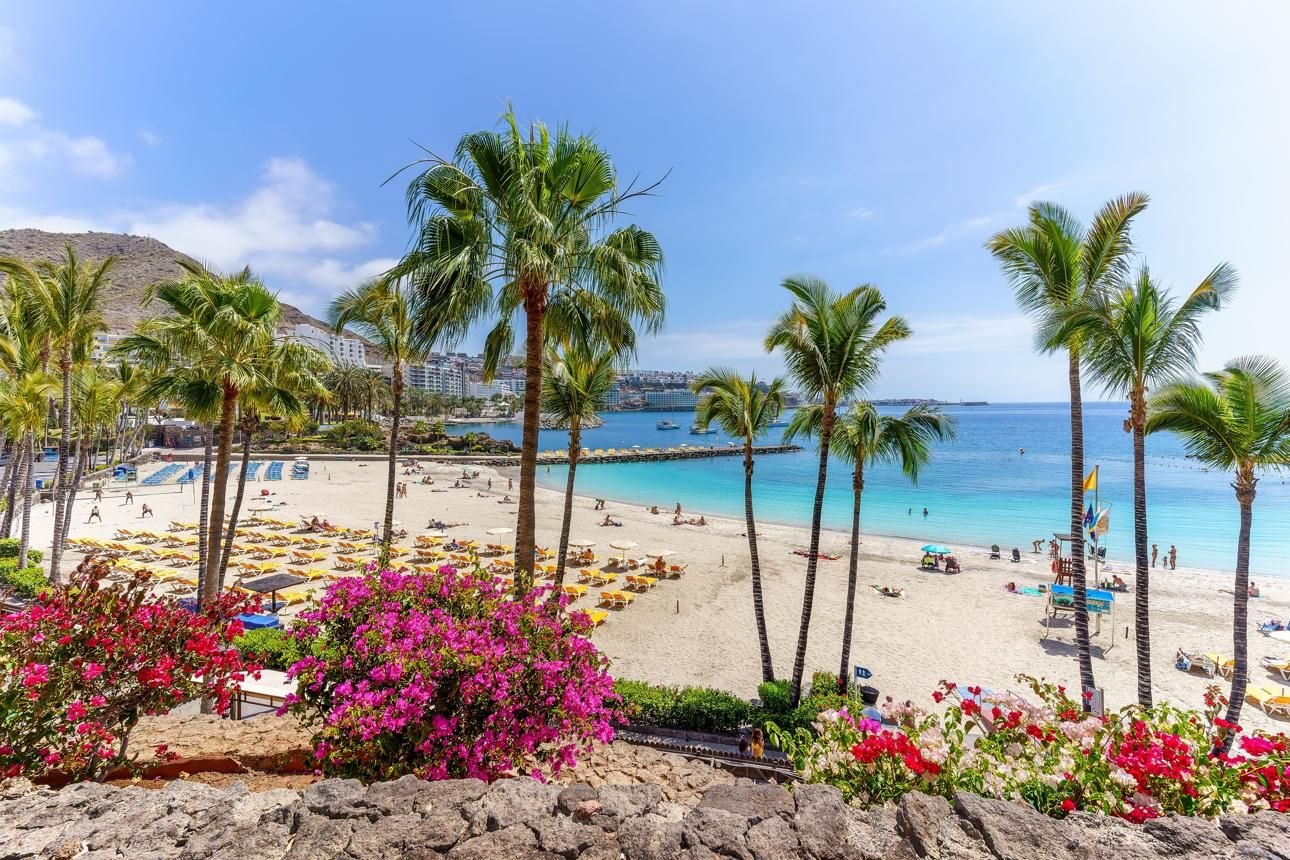
  • The Canary Islands: Endless Summer, Atlantic Breeze

    The Canary Islands: Endless Summer, Atlantic Breeze

    The Canary Islands are one of Europe’s most diverse holiday destinations, combining year-round sunshine, volcanic landscapes, golden and black-sand beaches, dramatic mountains, historic towns, traditional villages, and a distinctive island culture. Located in the Atlantic Ocean off the northwestern coast of Africa, this Spanish archipelago attracts beach lovers, hikers, families, surfers, nature enthusiasts, and travelers seeking a relaxed escape.

    Unlike destinations defined by a single landscape, the Canary Islands offer remarkable variety across their seven principal islands. Tenerife has Spain’s highest mountain, Gran Canaria combines lively resorts with mountainous interiors, Lanzarote is famous for its volcanic scenery, and Fuerteventura is known for its expansive beaches. La Palma, La Gomera, and El Hierro appeal particularly to visitors interested in nature, hiking, and quieter island experiences.

    Whether you are planning a beach holiday, a road trip, a family vacation, or an extended stay, the Canary Islands provide a wide range of experiences in a relatively compact geographical area.

    1. Overview of the Canary Islands

    Essential destination facts

    FeatureDetails
    Official nameCanary Islands (Islas Canarias)
    CountrySpain
    Geographic regionAtlantic Ocean, off northwestern Africa
    Political statusAutonomous community of Spain
    CapitalShared between Las Palmas de Gran Canaria and Santa Cruz de Tenerife
    Main languageSpanish
    CurrencyEuro (€)
    Time zoneWestern European Time; one hour behind mainland Spain
    ClimateSubtropical, with regional and altitude variations
    Main islandsTenerife, Gran Canaria, Lanzarote, Fuerteventura, La Palma, La Gomera, El Hierro
    Other inhabited islandLa Graciosa
    Main international airportsTenerife South, Gran Canaria, Lanzarote, Fuerteventura
    EU statusPart of Spain and the European Union, with special tax arrangements
    Best-known attractionsMount Teide, Maspalomas Dunes, Timanfaya National Park, beaches, laurel forests
    Popular activitiesSwimming, hiking, surfing, diving, whale watching, road trips

    The Canary Islands are geographically closer to Africa than to mainland Europe, but they are politically and administratively part of Spain. Their location, volcanic origins, Atlantic trade winds, and varied elevations have created an unusual mixture of environments, from dry desert-like terrain to humid forests and alpine volcanic landscapes.

    The archipelago is a popular destination throughout the year. While winter temperatures are generally mild near the coast, higher mountain areas can experience cold weather, strong winds, and even snow.

    2. Where Are the Canary Islands?

    The Canary Islands lie in the Atlantic Ocean, west of Morocco and Western Sahara. They form part of the Macaronesia region, a geographical grouping that also includes Madeira, the Azores, Cape Verde, and the Savage Islands.

    The archipelago is made up of islands created by volcanic activity. Their location and terrain influence everything from local agriculture to the distribution of beaches, vegetation, and settlements.

    The eastern islands, especially Lanzarote and Fuerteventura, are relatively dry and low-lying. Tenerife and Gran Canaria have higher central mountains and more pronounced differences between their northern and southern coasts. The western islands, including La Palma, La Gomera, and El Hierro, are known for steep landscapes, deep ravines, forests, and rugged coastlines.

    This geographical diversity allows visitors to experience several different environments during a single trip.

    3. The Seven Main Islands of the Canary Islands

    Each island has its own personality, scenery, and travel advantages. Choosing the right island is one of the most important decisions when planning a holiday.

    1. Tenerife

    Best for first-time visitors, families and varied landscapes

    Tenerife is the largest island by population and home to Mount Teide, Spain’s highest peak. It offers major beach resorts, historic towns, forested mountain roads, dramatic cliffs, and excellent opportunities for whale watching. Costa Adeje, Puerto de la Cruz, Los Cristianos, and La Laguna are among its most popular destinations.

    2. Gran Canaria

    Best for beaches, nightlife and varied day trips

    Gran Canaria combines lively southern resorts with mountain villages, pine forests, deep ravines, and the historic capital Las Palmas de Gran Canaria. Maspalomas, Playa del Inglés, Puerto de Mogán, and the Roque Nublo area are among its major attractions.

    3. Lanzarote

    Best for volcanic scenery, art and distinctive architecture

    Lanzarote is famous for its black and red volcanic terrain, whitewashed villages, lava fields, and the work of artist César Manrique. Timanfaya National Park, Jameos del Agua, the Green Lagoon at El Golfo, and the vineyards of La Geria make it one of the archipelago’s most distinctive islands.

    4. Fuerteventura

    Best for beaches, surfing and water sports

    Fuerteventura is known for long sandy beaches, turquoise water, windsurfing, kitesurfing, and open landscapes. Corralejo, the Jandía Peninsula, Cofete Beach, and the island’s traditional inland villages are highlights. Its relatively dry climate makes it particularly attractive to beach-focused travelers.

    5. La Palma

    Best for hiking, forests and stargazing

    Known as La Isla Bonita, or the Beautiful Island, La Palma features steep volcanic slopes, green forests, deep ravines, and exceptional night skies. Caldera de Taburiente National Park and the Roque de los Muchachos observatory area are major attractions. Visitors should check local access conditions because volcanic activity in 2021 reshaped parts of the island.

    6. La Gomera

    Best for nature, walking and peaceful villages

    La Gomera is famous for Garajonay National Park, a UNESCO World Heritage Site containing ancient laurel forest. Its winding roads, terraced slopes, small settlements, and traditional whistled language, Silbo Gomero, offer a quieter alternative to the larger resort islands.

    7. El Hierro

    Best for tranquility, diving and sustainable travel

    El Hierro is the smallest of the seven main islands and is particularly appealing to travelers seeking seclusion, dramatic coastlines, natural swimming pools, and diving. Its small villages and rural atmosphere make it suitable for a slower, more independent holiday.

    What about La Graciosa?

    La Graciosa is a small inhabited island north of Lanzarote, generally reached by ferry from Órzola. It is often described as the eighth inhabited island of the Canary Islands, although the seven larger islands form the traditional main-island group.

    La Graciosa is known for sandy tracks, quiet beaches, low-rise settlements, and a relaxed atmosphere. It is especially suitable for walking, cycling, swimming when conditions permit, and escaping the busier resorts.

    4. The Best Places to Visit in the Canary Islands

    Beyond the islands themselves, the archipelago contains a remarkable collection of natural landmarks, historic settlements, coastal resorts, and cultural attractions.

    Tenerife: volcanoes, historic towns and Atlantic scenery

    Mount Teide National Park

    Teide National Park is one of the archipelago’s most impressive natural attractions. Its volcanic terrain includes lava formations, craters, rock towers, and high-altitude landscapes. Mount Teide rises to approximately 3,715 metres above sea level, making it Spain’s highest peak.

    Visitors can explore the park by car, stop at scenic viewpoints, follow designated hiking routes, or use the cable car when it is operating. Reaching the summit itself requires separate authorization and appropriate access arrangements. Weather, altitude, and occasional operational restrictions should be checked before visiting.

    San Cristóbal de La Laguna

    This historic university city is known for its traditional architecture, pedestrian-friendly streets, courtyards, churches, and colorful buildings. Its historic centre is a UNESCO World Heritage Site and offers a different atmosphere from Tenerife’s southern beach resorts.

    Los Gigantes

    The towering cliffs of Los Gigantes rise dramatically above the Atlantic Ocean on Tenerife’s western coast. Boat excursions provide impressive views of the cliffs and can sometimes include dolphin or whale watching.

    Anaga Rural Park

    In northeastern Tenerife, the Anaga mountains contain ancient laurel forests, steep ridges, remote hamlets, and walking trails. The area is especially attractive to hikers and travelers who want to discover the island beyond its beaches.

    Puerto de la Cruz

    Located on the northern coast, Puerto de la Cruz combines a traditional town centre, seafront promenades, gardens, and coastal swimming areas. Its greener surroundings contrast with the drier southern resorts.

    Gran Canaria: beaches, dunes and mountain villages

    8

    Maspalomas Dunes

    The protected dune landscape of Maspalomas is among the most recognizable sights in Gran Canaria. Golden sand, coastal vegetation, and the nearby lighthouse create a distinctive setting at the southern end of the island.

    Visitors should stay on permitted paths to protect the fragile dune ecosystem.

    Roque Nublo

    Roque Nublo is a striking volcanic rock formation in the mountainous interior. It is one of Gran Canaria’s best-known natural landmarks and a rewarding destination for walkers, photographers, and road-trip travelers. Access and parking arrangements can be subject to local rules.

    Las Palmas de Gran Canaria

    The island’s capital offers an attractive mix of urban culture, shopping, museums, restaurants, and beach life. The historic Vegueta district is particularly notable for its architecture, while Las Canteras Beach is a popular place for swimming, walking, and dining beside the ocean.

    Puerto de Mogán

    Often nicknamed the “Little Venice” of Gran Canaria, Puerto de Mogán is known for its marina, pedestrian lanes, flowering balconies, restaurants, and small sandy beach. It is a popular choice for couples and travelers looking for a relaxed seaside atmosphere.

    Tejeda

    Situated in the island’s mountainous interior, Tejeda offers traditional Canarian architecture and views of the surrounding volcanic landscape. It is an excellent stop for travelers exploring the island by car.

    Lanzarote: volcanic landscapes and artistic heritage

    Timanfaya National Park

    Timanfaya National Park showcases vast volcanic fields formed by historic eruptions. The landscape resembles a different planet, with dark lava, red-brown hills, and almost otherworldly formations. Access to the protected central area is controlled, and visitors generally explore it through the park’s designated visitor experiences.

    Jameos del Agua

    Created within a volcanic lava tunnel, Jameos del Agua is an extraordinary cultural attraction developed by César Manrique. It combines natural rock formations, architecture, landscaping, and a subterranean lagoon.

    Cueva de los Verdes

    This extensive lava tunnel offers guided underground visits that reveal the island’s volcanic history. It is an excellent complement to Lanzarote’s outdoor volcanic attractions.

    El Golfo and the Green Lagoon

    Near the village of El Golfo, a partially submerged volcanic crater contains a green lagoon known as Charco de los Clicos. The contrast between green water, black sand, and volcanic rock makes it one of the island’s most photographed coastal landscapes.

    La Geria wine region

    La Geria demonstrates how local farmers adapted agriculture to volcanic conditions. Grapevines grow in hollows dug into dark volcanic material, often protected by low semicircular stone walls against the wind. Visitors can discover local wineries and sample wines made from grapes such as Malvasía.

    Fuerteventura: expansive beaches and outdoor adventures

    7

    Corralejo Natural Park

    Located in the northeast, this protected area combines extensive sand dunes with clear Atlantic waters. The beaches are popular for swimming and water sports, although currents and wind conditions vary.

    Cofete Beach

    Cofete, on the remote western side of the Jandía Peninsula, is famous for its immense open beach and mountainous backdrop. The approach involves challenging road conditions, and the sea is often dangerous. It is best treated as a scenic destination rather than a reliably safe swimming beach.

    Sotavento Beach

    The southern part of Fuerteventura is famous for long stretches of sand, shallow lagoons at certain tides, and favorable conditions for windsurfing and kitesurfing. Conditions vary with wind, tide, and season.

    Betancuria

    This former island capital is one of Fuerteventura’s most historically significant settlements. Its quiet streets, traditional buildings, and surrounding hills provide a cultural contrast to the coastal resorts.

    La Palma, La Gomera and El Hierro: the quieter islands

    La Palma — Caldera de Taburiente National Park

    A dramatic landscape of deep ravines, pine forests, waterfalls in season, and steep volcanic terrain. It is a major destination for hiking and nature photography.

    La Gomera — Garajonay National Park

    This UNESCO-listed forest is known for its mist-covered laurel trees, green mountain trails, and rich biodiversity. It is especially rewarding for walkers who enjoy cool, humid forest environments.

    El Hierro — Charco Azul

    A beautiful natural swimming area formed by volcanic rock along the coast. Sea conditions can change rapidly, so visitors should follow local safety advice before entering the water.

    The archipelago’s four national parks—Teide, Timanfaya, Garajonay, and Caldera de Taburiente—are among its most important protected landscapes. Together, they illustrate the islands’ extraordinary geological and ecological variety.

    5. The Best Beaches in the Canary Islands

    Beaches are among the principal reasons people visit the archipelago. Some feature pale golden sand, others have black volcanic shores, and several combine dramatic cliffs with turquoise water.

    BeachIslandWhat makes it special
    Playa de las TeresitasTenerifeGolden sand, sheltered bay and mountain backdrop
    Playa del DuqueTenerifeResort facilities, restaurants and an organized beach environment
    Playa de Las CanterasGran CanariaUrban beach, promenade and natural offshore reef
    Maspalomas BeachGran CanariaExtensive sand, dunes and open coastal scenery
    Papagayo BeachesLanzaroteSheltered coves and clear water in a protected coastal area
    Playa de FamaraLanzaroteWide open coastline and surfing atmosphere
    Sotavento BeachFuerteventuraLong sandy stretches and wind-driven watersports
    Cofete BeachFuerteventuraRemote scenery and dramatic mountains
    Puerto Naos BeachLa PalmaBlack volcanic sand and western-coast sunsets
    Playa de SantiagoLa GomeraSmall coastal resort with a fishing-village atmosphere

    Black-sand beaches

    Black-sand beaches are a distinctive feature of the volcanic islands. Their dark color comes from volcanic minerals and rock fragments.

    Examples include beaches around Puerto de la Cruz and parts of northern Tenerife, as well as coastal areas of La Palma and Lanzarote. These beaches can be strikingly beautiful, but dark sand may become very hot in direct sunlight.

    Are the beaches safe for swimming?

    Safety varies from beach to beach and from day to day. Some southern resort beaches have relatively sheltered conditions, while exposed Atlantic coasts may have strong currents, powerful waves, or sudden changes in sea conditions.

    Always follow lifeguard instructions, beach flags, and local warnings. A beach that looks calm from shore is not necessarily safe for swimming.

    6. History of the Canary Islands

    The history of the Canary Islands is shaped by Indigenous societies, European expansion, Atlantic trade, agriculture, migration, and tourism.

    Indigenous inhabitants

    Before European conquest, the islands were inhabited by Indigenous peoples whose societies developed in relative isolation from one another. They are commonly associated with the name Guanches, although that term originally refers particularly to the Indigenous people of Tenerife. Other islands had their own distinct communities and cultural traditions.

    These societies developed agricultural practices, livestock keeping, crafts, religious customs, and forms of social organization adapted to their individual environments.

    European conquest and Spanish rule

    European expeditions reached the islands during the late medieval period. The conquest of the archipelago took place over several decades and was completed in 1496 with the incorporation of Tenerife into the Crown of Castile.

    Conquest brought profound changes to Indigenous populations, including conflict, enslavement, displacement, disease, and cultural transformation. The islands subsequently became an important point on Atlantic routes connecting Europe, Africa, and the Americas.

    Trade and agriculture

    The Canary Islands became known for agricultural products including sugar, wine, and later other export crops. Their position in the Atlantic made them an important stop for ships crossing toward the Americas.

    Migration also played a major role in shaping Canarian identity. People from the islands moved to the Caribbean and Latin America, while return migration and commercial connections influenced local architecture, cuisine, language, and traditions.

    The development of modern tourism

    During the nineteenth century, travelers began visiting the islands for their mild climate and health-related stays. Tourism expanded considerably during the twentieth century, particularly from the 1960s onward, when air travel and resort development made the archipelago accessible to a much larger international audience.

    Tourism is now a major part of the regional economy. The challenge is to maintain its economic benefits while protecting natural landscapes, supporting local communities, and managing pressure on housing and public infrastructure.

    7. Geography and Volcanic Landscapes

    The Canary Islands are volcanic in origin, but their geological histories and landscapes differ significantly.

    Tenerife contains the central volcanic complex of Mount Teide. Lanzarote has extensive lava fields and volcanic cones, while La Palma features steep volcanic terrain and a large erosion-shaped caldera. Fuerteventura and Lanzarote are older and generally lower than the western islands, although both contain varied hills and volcanic formations.

    The islands also have a wide range of microclimates. Moist trade winds commonly bring more cloud and vegetation to northern slopes, while southern and eastern areas are often drier and sunnier. Mountain elevation creates further climatic differences over relatively short distances.

    This explains why a traveler can experience warm beach weather and cool mountain conditions on the same day.

    Wildlife and biodiversity

    The archipelago supports endemic plants, birds, lizards, and invertebrates. Its habitats range from dry coastal scrub and volcanic terrain to pine forests and ancient laurel woodland.

    The surrounding Atlantic waters support marine life, including dolphins, whales, turtles, and a variety of fish. Responsible wildlife excursions can offer opportunities to observe marine animals without disturbing them.

    Visitors should avoid feeding wild animals, removing volcanic rocks or plants from protected areas, and leaving marked trails in sensitive habitats.

    8. Climate and the Best Time to Visit

    The Canary Islands are often promoted as a year-round destination because of their mild coastal climate. However, weather varies between islands, coastlines, and elevations, so the best time depends on what you want to do.

    8

    Seasonal weather guide

    SeasonTypical conditionsBest for
    Spring, March–MayMild to warm, with changing conditions at altitudeHiking, sightseeing, road trips
    Summer, June–AugustWarm, sunny and often dry along the coastBeaches, swimming, water sports
    Autumn, September–NovemberWarm sea temperatures often persist into autumnSwimming, diving, quieter trips outside peak periods
    Winter, December–FebruaryMild coastal weather, cooler mountain conditionsWinter sun, hiking, whale watching

    Coastal daytime temperatures often range from around 18–23°C in winter to approximately 24–30°C in summer, although individual days can fall outside these ranges. Temperatures at high elevations can be substantially lower.

    Which months are best?

    • For winter sunshine: December to February is popular, particularly in southern Tenerife, southern Gran Canaria, Lanzarote, and Fuerteventura.
    • For hiking: Spring and autumn generally offer comfortable conditions, although high-altitude routes can be cold or windy at any time.
    • For swimming: Late summer and early autumn often offer relatively warm seawater.
    • For families: Late spring and early autumn can combine pleasant weather with opportunities to avoid the busiest school-holiday periods.
    • For surfing and wind sports: Conditions depend on the island, coast, swell, and wind season. Check specialist local forecasts rather than relying only on average temperatures.

    For official destination information, consult the Canary Islands tourism website.

    9. Things to Do in the Canary Islands

    The islands offer far more than conventional beach holidays. Their combination of ocean, mountains, volcanic terrain, and historic settlements makes them suitable for both active and relaxed travel.

    Hiking and mountain walking

    Explore volcanic trails, pine forests, coastal paths, and high mountain viewpoints. Tenerife, La Palma, La Gomera, and Gran Canaria are particularly rewarding for hikers. Check trail closures, permits, and weather before departure.

    Whale and dolphin watching

    Boat excursions, especially around Tenerife and La Gomera, offer opportunities to observe marine wildlife. Choose operators that follow responsible wildlife-watching practices and maintain appropriate distances from animals.

    Surfing, windsurfing and kitesurfing

    Fuerteventura and Lanzarote are well known for surfing and wind-powered sports. Tenerife and Gran Canaria also offer a variety of surf breaks and water-sport schools for different skill levels.

    Scuba diving and snorkeling

    Volcanic reefs, underwater rock formations, and Atlantic marine life attract divers of different experience levels. Conditions vary, so beginners should use qualified dive centers and follow local guidance.

    Stargazing and astronomy

    La Palma and high-altitude locations in Tenerife are famous for their dark skies and astronomical observatories. Clear nights away from artificial lighting can be especially rewarding.

    Wine tasting and food tours

    Visit Lanzarote’s volcanic vineyards, explore local markets, or sample traditional dishes in family-run restaurants. Food experiences offer a deeper understanding of the islands’ agricultural and cultural heritage.

    Family attractions

    The Canary Islands are well suited to family travel, with beaches, nature parks, aquariums, animal parks, and water parks.

    • Siam Park — a major water park in Tenerife.
    • Loro Parque — a wildlife attraction known for its animal exhibits and conservation-related activities.
    • Poema del Mar — an aquarium in Gran Canaria.
    • Oasis Wildlife Fuerteventura — a wildlife park and botanical attraction.

    Check opening days, ticket requirements, age restrictions, and current animal-welfare policies before visiting.

    10. Canarian Food and Local Specialties

    Canarian cuisine combines Spanish culinary traditions with Indigenous influences, African connections, Atlantic seafood, and ingredients grown in the islands’ volcanic soils.

    Meals often emphasize fresh fish, potatoes, vegetables, local cheeses, meat stews, and flavorful sauces.

    8

    Traditional dishes to try

    Papas arrugadas con mojo

    Small potatoes boiled in salted water and served with mojo sauces. Mojo rojo is usually red and more intensely flavored, while mojo verde often contains herbs and garlic.

    Gofio

    A traditional toasted grain flour made from ingredients such as maize or wheat. It is used in several preparations, from savory dishes to porridge-like mixtures and desserts.

    Sancocho canario

    A traditional fish dish, often prepared with salted fish, potatoes or sweet potatoes, and mojo. Recipes differ across households and islands.

    Ropa vieja canaria

    A hearty dish commonly made with shredded meat, chickpeas, potatoes, and vegetables. It is a familiar example of the islands’ home-style cooking.

    Queso asado

    Grilled or roasted cheese, often served with mojo or a sweet palm-syrup accompaniment. Goat’s milk cheese is particularly important in local food traditions.

    Bienmesabe

    A rich dessert generally prepared with almonds, sugar, and egg, sometimes served with ice cream or other sweets.

    Local drinks and agricultural products

    The islands produce wines, cheeses, honey, tropical fruit, and other agricultural products. Lanzarote’s volcanic vineyards are particularly distinctive, while Tenerife, Gran Canaria, and La Palma also have wine-producing areas.

    Bananas are one of the archipelago’s best-known agricultural products. The local variety of banana is a familiar feature of Canarian markets and food culture.

    Travelers interested in gastronomy should seek out traditional restaurants known locally as guachinches, particularly in Tenerife. These informal establishments are associated with home-style cooking and locally produced wine, although opening arrangements and menus vary.

    11. Culture, Festivals and Traditions

    Canarian culture reflects centuries of interaction between Indigenous heritage, Spanish traditions, Atlantic trade, and connections with Latin America.

    Spanish is the principal language, and the local Canarian accent has distinctive vocabulary and pronunciation. English and other European languages are widely used in many tourist areas, but learning a few Spanish expressions is useful when visiting smaller communities.

    Carnival

    Carnival is one of the most celebrated events in the archipelago. The carnivals of Santa Cruz de Tenerife and Las Palmas de Gran Canaria feature elaborate costumes, music, performances, street celebrations, and competitions.

    The dates change each year because carnival is linked to the Christian calendar. Accommodation should be booked early if you plan to attend.

    Romerías and local fiestas

    Traditional romerías are community celebrations that often combine religious processions, folk music, regional costumes, traditional food, and decorated carts. Towns and villages also hold local fiestas throughout the year.

    Silbo Gomero

    La Gomera preserves Silbo Gomero, a whistled communication system used to convey speech across deep ravines and mountainous terrain. It is a distinctive cultural tradition associated with the island and recognized by UNESCO as intangible cultural heritage.

    Architecture and arts

    Historic towns such as La Laguna, La Orotava, Betancuria, and Teguise showcase traditional architecture and the islands’ varied histories. On Lanzarote, the work of César Manrique helped shape an approach to architecture and tourism that emphasizes the relationship between buildings and the natural landscape.

    12. Accommodation in the Canary Islands

    The archipelago offers accommodation for a broad range of budgets and travel styles. Your choice of island and resort area can make a significant difference to the overall holiday experience.

    12

    Accommodation typeBest suited toWhere to consider it
    Luxury resortsCouples, premium holidays and relaxationCosta Adeje, Meloneras
    Family resortsFamilies seeking facilities and organized activitiesTenerife South, Gran Canaria South
    Beach hotelsSwimming, restaurants and coastal walksPuerto del Carmen, Corralejo, Los Cristianos
    Boutique hotelsTravelers interested in local characterLa Laguna, Las Palmas, historic towns
    Rural guesthousesHiking, nature and quiet staysLa Palma, La Gomera, inland Gran Canaria
    Holiday apartmentsFamilies, longer stays and self-cateringMost major islands
    Hostels and budget guesthousesBackpackers and independent travelersLas Palmas, Tenerife’s towns, surf areas

    Where should you stay?

    Tenerife: Costa Adeje and Los Cristianos suit visitors who want resort facilities, beaches, and organized excursions. Puerto de la Cruz is a good alternative for those who prefer a greener setting and a more established town atmosphere.

    Gran Canaria: Maspalomas and Meloneras offer resort accommodation, while Las Palmas provides city life and access to Las Canteras Beach. Inland villages are better for rural escapes.

    Lanzarote: Puerto del Carmen offers a broad range of tourist services, while Playa Blanca is popular with families and travelers seeking a resort base. Costa Teguise is another established holiday area.

    Fuerteventura: Corralejo is convenient for beaches, restaurants, and excursions to the dunes and nearby islands. Costa Calma and Morro Jable are useful bases for exploring the south.

    La Palma, La Gomera, and El Hierro: Small hotels, rural houses, guesthouses, and self-catering properties often suit visitors who prioritize nature and independent exploration.

    For peak periods, especially Christmas, New Year, Easter, and school holidays, booking in advance is advisable.

    13. Getting to the Canary Islands

    The main ways to reach the archipelago are by air and, for certain routes, by sea.

    By plane

    Air travel is the most convenient option for most international visitors. The busiest international gateways include Tenerife South, Gran Canaria, Lanzarote, and Fuerteventura. Tenerife North, La Palma, El Hierro, and La Gomera also provide important inter-island connections.

    Direct routes depend on your departure country and the season. Travelers connecting through mainland Spain may find flights via Madrid or Barcelona useful.

    The official Spanish tourism portal provides an overview of air and maritime connections.

    By ferry

    Ferries connect several islands and are useful for visitors who want to bring a rental car or travel with more luggage. Services vary by route, operator, and season.

    Mainland ferry services also operate between the Canary Islands and ports in southwestern Spain, although these journeys are considerably longer than flying.

    When booking, check the departure and arrival ports carefully. Tenerife and Gran Canaria each have multiple ports or airport options, and the most convenient arrival point depends on your accommodation.

    14. Getting Around the Canary Islands

    Transportation planning is important because the islands are separated by sea and many natural attractions are spread across mountainous terrain.

    Rental cars

    A rental car is often the most flexible way to explore an island, particularly if you want to visit remote beaches, rural villages, viewpoints, or hiking trailheads.

    Before booking, compare:

    • The total price, including insurance and additional charges.
    • Fuel policy and mileage limits.
    • Deposit and credit-card requirements.
    • Whether the vehicle is suitable for mountain roads.
    • Parking arrangements at your accommodation.
    • Any restrictions on driving on unpaved roads.

    Roads in mountain areas can be narrow, winding, and steep. Allow extra time for driving, particularly in La Gomera, La Palma, and the mountainous interiors of Tenerife and Gran Canaria.

    Public transport

    Local buses are commonly called guaguas. They serve many towns, airports, and resort areas, with particularly useful networks on Tenerife and Gran Canaria.

    However, some remote beaches and hiking locations are difficult to reach without a car or organized excursion. Check timetables in advance, especially for early-morning hikes and late-evening returns.

    Inter-island flights and ferries

    Flying is generally convenient for covering longer distances between islands, while ferries are particularly useful on routes with frequent services or when taking a vehicle.

    Although some islands are relatively close together, visiting several islands can consume a substantial part of a short holiday once check-in, transfers, port journeys, and waiting times are included.

    Practical recommendation: For a holiday of one week, choose one island or at most two nearby islands. For two weeks, a combination of two or three islands can work well without making the trip feel rushed.

    15. Suggested Canary Islands Itineraries

    The best itinerary depends on your interests, budget, and the amount of time available. The following examples provide practical starting points.

    3 days: a short Tenerife escape

    Day 1 — Southern Tenerife

    Arrive, settle into your accommodation, enjoy a beach, and explore Costa Adeje or Los Cristianos.

    Day 2 — Mount Teide

    Spend the day exploring the national park, volcanic viewpoints, and designated walking routes. Check weather and access conditions beforehand.

    Day 3 — Historic town or west coast

    Explore La Laguna and its historic centre, or take a coastal excursion to Los Gigantes if transport and timing permit.

    7 days: Lanzarote and Fuerteventura

    Days 1–4 — Lanzarote

    Explore Timanfaya, Jameos del Agua, Cueva de los Verdes, La Geria, and the island’s northern or southern beaches.

    Days 5–7 — Fuerteventura

    Travel by ferry, explore Corralejo and its dunes, and choose a beach day or a trip toward the island’s southern coast.

    Allow time for the ferry and check schedules before choosing flights and accommodation.

    10 days: Tenerife and Gran Canaria

    Days 1–5 — Tenerife

    Combine beaches, Teide National Park, La Laguna, and either Anaga Rural Park or the western coast.

    Days 6–10 — Gran Canaria

    Visit Las Palmas, Maspalomas, Puerto de Mogán, and the mountainous interior around Tejeda.

    Travel between the islands by air or ferry, depending on the available schedules and your preferred departure points.

    14 days: a nature-focused island journey

    Days 1–5 — La Palma

    Explore forests, volcanic scenery, viewpoints, and walking routes, leaving flexibility for weather changes.

    Days 6–9 — La Gomera

    Discover Garajonay National Park, village viewpoints, coastal settlements, and local food traditions.

    Days 10–14 — El Hierro

    Enjoy natural pools, quiet villages, coastal scenery, and opportunities for diving or snorkeling when conditions are suitable.

    This route requires careful flight and ferry planning. The quieter islands have fewer connections than Tenerife and Gran Canaria.

    16. Travel Costs and Budget Planning

    The Canary Islands can accommodate different budgets, from inexpensive guesthouses and self-catering apartments to luxury resorts and private excursions.

    Prices vary significantly with season, location, availability, and how far in advance you book. The following figures are broad planning estimates, not live quotations.

    ExpenseBudget travelerMid-range travelerPremium traveler
    Accommodation per person per night€25–€60€60–€150€150–€350+
    Food per person per day€15–€30€30–€60€60–€120+
    Local transport per day€5–€20€20–€50€50–€120+
    Activities per day€0–€20€20–€60€60–€150+

    These estimates exclude international flights and may not reflect peak-season rates. Accommodation prices are especially sensitive to dates, and car rental costs can rise sharply during periods of high demand.

    How to save money

    • Travel outside major holiday periods when possible.
    • Compare accommodation across several towns rather than choosing only the most famous resort.
    • Book flights and accommodation early for Christmas, Easter, and school holidays.
    • Use public transport where routes suit your plans.
    • Choose apartments with kitchens if you want to reduce restaurant expenses.
    • Compare the full price of excursions, including transfers and equipment.
    • Avoid planning too many island changes, which can increase transport costs.

    17. Practical Travel Tips

    A successful trip requires more than choosing a beach or booking a hotel. These practical details can help you make the most of your visit.

    Pack for different climates. Bring swimwear and light clothing for the coast, but also a warm layer, rain protection, and suitable footwear if you plan to explore mountains or forests.

    Respect the sun. The Atlantic breeze can make temperatures feel comfortable even when the sun is strong. Use sunscreen, drink water, and take shade breaks.

    Check mountain conditions. Weather at Mount Teide and other high elevations can differ dramatically from conditions at sea level. Some routes and attractions require permits or can close temporarily.

    Plan swimming carefully. Atlantic waves and currents can be powerful. Use lifeguarded beaches where possible and follow warning flags.

    Book key activities ahead. Popular excursions, selected hiking experiences, and attractions can require advance reservations, particularly during busy periods.

    Learn a few Spanish phrases. English is widely spoken in major resorts, but Spanish is useful in smaller towns, local markets, and rural accommodation.

    Respect protected landscapes. Stay on marked trails, use designated parking areas, avoid collecting natural materials, and dispose of rubbish properly.

    Check your travel requirements. The Canary Islands are part of Spain and the European Union, but entry requirements depend on your nationality, passport, and travel circumstances. Verify current requirements before departure.

    18. Is It Worth Visiting More Than One Island?

    Yes, if you have enough time and want to experience the archipelago’s diversity. However, the islands are not interchangeable, and visiting more of them does not automatically make a trip better.

    Tenerife and Gran Canaria are versatile choices for first-time visitors. Lanzarote offers a strong combination of volcanic landscapes, architecture, and culture. Fuerteventura is particularly attractive to beach lovers and water-sports enthusiasts. La Palma and La Gomera reward slower exploration, while El Hierro suits travelers who value tranquility and diving.

    If your priority is a relaxing holiday, staying on one island can be the better choice. You will have more time for beaches, local restaurants, scenic drives, and unplanned discoveries.

    If you have ten days or more and enjoy moving between destinations, combining two islands can provide a satisfying contrast.

    19. Frequently Asked Questions About the Canary Islands

    Are the Canary Islands part of Spain?

    Yes. The Canary Islands are an autonomous community of Spain in the Atlantic Ocean. They are geographically close to northwestern Africa but politically part of Spain.

    How many Canary Islands are there?

    The archipelago is commonly described as having eight inhabited islands: Tenerife, Gran Canaria, Lanzarote, Fuerteventura, La Palma, La Gomera, El Hierro, and La Graciosa. The seven larger islands are often discussed separately from La Graciosa.

    Which Canary Island is best for a first visit?

    Tenerife is a strong all-round choice because it combines beaches, mountain scenery, historic towns, and a wide range of accommodation. Gran Canaria is another excellent option for travelers who want a combination of city life, beaches, and countryside.

    Which island has the best beaches?

    Fuerteventura is particularly famous for its long sandy beaches, while Gran Canaria offers extensive dunes and urban beaches. Lanzarote has beautiful coves, and Tenerife offers a mixture of golden-sand beaches, black-sand shores, and resort facilities.

    Can you visit the Canary Islands in winter?

    Yes. Winter is one of the archipelago’s most popular seasons, particularly for visitors seeking mild coastal weather. Mountain areas can be cold, however, and winter weather can still affect outdoor activities.

    Do you need a car?

    Not necessarily. Buses, taxis, organized excursions, and inter-island transport can cover many travel needs. A rental car is particularly useful for exploring remote areas, rural villages, and hiking trailheads.

    Are the Canary Islands expensive?

    Costs depend on the island, season, accommodation, and activities. Budget travelers can use guesthouses, public transport, and self-catering options, while premium resorts and private excursions can make a holiday considerably more expensive.

    What currency is used?

    The currency is the euro (€). Cards are widely accepted in tourist areas, but carrying a small amount of cash can be useful in some rural establishments and small businesses.

    What language is spoken?

    Spanish is the main language. English and other European languages are common in tourist areas, but language coverage varies between resorts and smaller communities.

    Are the Canary Islands suitable for families?

    Yes. Family-friendly beaches, resort hotels, water parks, nature attractions, and organized excursions make them a popular choice. Families should choose beaches and activities appropriate for children’s ages and swimming abilities.

    How long should you stay?

    A three- to five-day trip can work well on one island. Seven days allows a more relaxed exploration, while ten to fourteen days provides time to combine two or three islands without rushing.

    Discover the Diversity of the Canary Islands

    The Canary Islands are much more than a destination for sunbathing. Their appeal lies in the contrast between volcanic mountains and sandy beaches, busy resort towns and quiet rural villages, modern city life and ancient forests.

    Tenerife and Gran Canaria provide variety and convenience, Lanzarote offers a striking combination of geology and artistic heritage, and Fuerteventura is ideal for expansive beaches and water sports. La Palma, La Gomera, and El Hierro reward visitors who prefer nature, hiking, and quieter travel. La Graciosa offers an intimate island experience with a slower pace.

    The best approach is to choose an island that matches your interests, leave enough time to explore beyond its most famous attractions, and respect the natural environments that make the archipelago special.

    For a first visit, a week on Tenerife or Gran Canaria is an excellent starting point. For a longer journey, combining two islands can reveal just how different the landscapes, cultures, and experiences of the Canary Islands can be.

  • The Spanish Archipelagos and Coastal Islands

    Spain is home to some of Europe’s most diverse and attractive islands, ranging from the volcanic landscapes of the Canary Islands in the Atlantic Ocean to the Mediterranean beaches, historic towns, pine forests and secluded coves of the Balearic Islands. Beyond these two famous archipelagos, Spain also has smaller inhabited islands, protected natural reserves and numerous offshore islets along its mainland coastline.

    The Spanish islands offer remarkably different travel experiences. Mallorca combines mountain scenery with historic villages and beautiful beaches, Ibiza is internationally known for nightlife but also has a quieter rural side, Menorca attracts visitors with its protected coastline, and Tenerife features Spain’s highest mountain. Meanwhile, Lanzarote is famous for its volcanic terrain, Fuerteventura for its long sandy beaches, and La Gomera for its ancient forests and walking trails.

    This comprehensive guide explores the main islands of Spain, their geography, history, culture, attractions, beaches, outdoor activities, food, transportation and practical travel information.

    1. Overview of the Spanish Islands

    Spain’s islands belong to several distinct geographical groups. The two principal archipelagos are the Balearic Islands in the Mediterranean and the Canary Islands in the Atlantic. Spain also possesses smaller islands and island groups near Galicia, Andalusia and other parts of the mainland coast.

    Balearic Islands

    Mediterranean Sea

    The Balearics are known for Mediterranean beaches, limestone mountains, historic ports, traditional villages and lively resorts. The principal islands are Mallorca, Menorca, Ibiza and Formentera.

    Canary Islands

    Atlantic Ocean

    Located off the northwestern coast of Africa, the Canary Islands feature volcanic mountains, lava fields, subtropical vegetation, black-sand beaches, dunes and a mild climate throughout much of the year.

    Smaller Spanish islands

    Atlantic and Mediterranean coasts

    Islands such as the Cíes Islands, Ons, Tabarca and the Columbretes offer protected natural landscapes, coastal wildlife, clear waters and opportunities for quieter, nature-focused trips.

    Quick facts

    FeatureInformation
    CountrySpain
    Main island groupsBalearic Islands and Canary Islands
    Balearic locationWestern Mediterranean Sea
    Canary Islands locationAtlantic Ocean, off northwestern Africa
    Main island tourismBeaches, nature, heritage, gastronomy, sailing and outdoor sports
    Official languageSpanish; Catalan and related regional languages are also official in relevant territories
    CurrencyEuro (€)
    Main accessDomestic and international airports, passenger ferries and regional boat services
    Best travel periodDepends on the island, activities and preferred climate

    The islands are Spanish territories and form part of Spain and the European Union. Their geographical locations, however, create substantial differences in weather, landscapes, local traditions and travel logistics.

    2. The Balearic Islands: Spain’s Mediterranean Archipelago

    The Balearic Islands form one of Spain’s most popular island destinations. Their appeal extends beyond summer beach holidays: visitors can explore prehistoric monuments, medieval fortifications, traditional fishing villages, nature reserves, mountain roads, local markets and Mediterranean cuisine.

    The four principal tourist islands are Mallorca, Menorca, Ibiza and Formentera. The archipelago also includes smaller islands, among them Cabrera, Dragonera and Espalmador. Each has its own character, from Mallorca’s varied landscapes to Formentera’s relaxed atmosphere.

    2.1 Mallorca

    Mallorca is the largest island in the Balearic archipelago and one of the Mediterranean’s best-known holiday destinations. Its landscape combines sandy beaches, rocky coves, fertile plains, citrus groves, traditional villages and the dramatic Serra de Tramuntana mountain range.

    The island works equally well for families, couples, cyclists, hikers, cultural travelers and visitors seeking upscale resorts.

    Palma de Mallorca

    The island’s capital, Palma, combines a historic center with a lively waterfront, shopping streets, restaurants and modern cultural attractions.

    Major highlights include:

    • Palma Cathedral (La Seu): The monumental Gothic cathedral overlooking the waterfront.
    • Royal Palace of La Almudaina: A historic royal residence with architectural elements from different periods.
    • Palma Old Town: Narrow lanes, courtyards, historic churches and traditional buildings.
    • Bellver Castle: A distinctive circular castle overlooking Palma and its bay.
    • Paseo Marítimo: A waterfront area associated with harbors, restaurants and maritime life.

    Palma is an excellent base for travelers who want culture, nightlife, shopping and convenient transport connections.

    Serra de Tramuntana

    This mountain range stretches along northwestern Mallorca and is one of the island’s defining natural features. Its landscape includes steep cliffs, terraced olive groves, stone villages and scenic roads.

    Important places to explore include:

    • Valldemossa: A picturesque mountain village known for its stone houses, historic monastery and literary associations.
    • Deià: A small village between mountains and the sea, popular with artists and walkers.
    • Sóller: A town surrounded by citrus-growing countryside, with a historic center and connections to Port de Sóller.
    • Fornalutx: A traditional village with narrow lanes and mountain views.
    • Sa Calobra: A spectacular coastal destination reached by a winding mountain road or by boat, depending on the season and service.

    Hiking, cycling and scenic drives are among the best ways to appreciate this region.

    Mallorca’s beaches and coves

    Mallorca has an extensive variety of beaches, from long resort beaches to small coves hidden between cliffs.

    • Playa de Muro: A long sandy beach with shallow water in parts and a family-friendly atmosphere.
    • Es Trenc: Known for pale sand, clear water and a relatively undeveloped coastal setting.
    • Cala Mondragó: A scenic cove within a protected natural area.
    • Cala Agulla: A sandy beach bordered by Mediterranean vegetation.
    • Cala Llombards: A small, photogenic cove surrounded by rocky coastline.
    • Formentor: An attractive northern area with a beach, pine trees and impressive scenery.

    Beach conditions vary with wind, swell and season, and popular coves can become crowded during the summer.

    Other attractions

    Mallorca also offers the Caves of Drach near Porto Cristo, the wetlands of S’Albufera, traditional agricultural villages, wineries, craft markets and historic monasteries.

    Food and local culture

    Mallorcan cuisine includes ensaimada, a spiral-shaped pastry, sobrasada, a cured sausage, pa amb oli, bread served with olive oil and other ingredients, and dishes prepared with local fish, vegetables and pork. Almond products and seasonal citrus fruits are also important to the island’s food culture.

    Best for: A varied Mediterranean holiday combining beaches, towns, hiking, cycling, gastronomy, family activities and nightlife.

    2.2 Menorca

    7

    Menorca, also spelled Minorca in English, is generally quieter than Mallorca and Ibiza. Its identity is closely associated with unspoiled landscapes, turquoise coves, archaeological heritage, traditional towns and a strong commitment to nature conservation.

    The island has been a UNESCO Biosphere Reserve since 1993. Its combination of coastal habitats, wetlands, countryside and historic landscapes makes it especially appealing to visitors interested in outdoor activities and slower travel.

    Mahón (Maó)

    Mahón is Menorca’s capital and is famous for its extensive natural harbor. The town offers waterfront walks, historic buildings, local restaurants and access to boat excursions.

    Visitors can explore the old town, the harbor area and nearby villages. Mahón is also a useful arrival point for travelers flying into Menorca Airport.

    Ciutadella

    Located on the western side of the island, Ciutadella is known for its elegant historic center, narrow streets, old palaces and attractive harbor.

    Its atmosphere differs from that of Mahón, and the town is particularly enjoyable for evening walks, dining and discovering Menorca’s architectural heritage.

    The island’s beaches

    Menorca is especially famous for its southern coves, where pale sand and clear water contrast with pine-covered hills.

    Notable beaches include:

    • Cala Macarella and Cala Macarelleta: Two celebrated coves surrounded by Mediterranean vegetation.
    • Cala Mitjana: A sandy bay framed by natural scenery.
    • Cala Turqueta: Known for its clear water and sheltered coastal setting.
    • Son Bou: One of the island’s longest sandy beaches.
    • Cala Pregonda: A distinctive northern beach with reddish and golden tones.
    • Cala Galdana: A broad, sheltered bay with nearby accommodation and services.

    Some beaches require walking from designated parking areas. In high season, access restrictions, parking controls or shuttle services may apply, so advance planning is useful.

    Camí de Cavalls

    The Camí de Cavalls is a historic coastal path that circles much of Menorca. It provides opportunities for hiking and trail running while revealing beaches, cliffs, wetlands and remote coastal sections.

    Travelers can walk individual sections rather than attempting the entire route. Appropriate footwear, water and protection from the sun are essential.

    Prehistoric Menorca

    The island contains remarkable prehistoric monuments, including talayots, stone towers and other megalithic structures associated with the Talayotic culture. Archaeological sites such as Torre d’en Galmés offer insights into ancient settlement patterns.

    Local cuisine

    Menorca is associated with Mahón-Menorca cheese, seafood, traditional pastries and caldereta de langosta, a lobster stew particularly associated with local celebrations and restaurants.

    Best for: Quiet beach holidays, couples, families, hiking, archaeology, nature and travelers seeking a less nightlife-oriented destination.

    2.3 Ibiza

    8

    Ibiza, known in Catalan as Eivissa, has an international reputation for electronic music, beach clubs and nightlife. However, the island also has historic architecture, rural villages, pine-covered hills, secluded beaches and a strong cultural identity.

    Its historic fortified center, Dalt Vila, forms part of the UNESCO-listed World Heritage property associated with Ibiza’s biodiversity and cultural heritage.

    Ibiza Town and Dalt Vila

    Ibiza Town is the island’s main urban center. The upper town, Dalt Vila, is enclosed by impressive Renaissance-era fortifications and contains historic streets, churches, museums and viewpoints overlooking the harbor.

    The lower town offers restaurants, shops, marinas and nightlife. Visitors can spend a full day exploring the historic quarter before enjoying dinner along the waterfront.

    Beaches and coastal scenery

    Ibiza’s coast features both busy resort beaches and quieter coves.

    • Cala Comte: Famous for clear water and sunset views.
    • Cala Bassa: A sandy beach with pine trees and beach facilities.
    • Cala d’Hort: Offers views toward the striking offshore rock of Es Vedrà.
    • Ses Salines: A popular beach near the island’s southern salt flats.
    • Cala Saladeta: A beautiful cove in the island’s northwest, subject to seasonal crowding.
    • Benirràs: A northern beach associated with sunsets and local cultural gatherings.

    Access, parking and beach facilities vary considerably, especially in summer.

    Es Vedrà

    Es Vedrà is a dramatic rocky island off Ibiza’s southwestern coast. It is a celebrated viewpoint and photography destination, known for its striking silhouette and local legends. It is not a conventional visitor island, and access to the rock itself is restricted; visitors generally admire it from permitted viewpoints or by boat.

    The rural side of Ibiza

    Beyond the nightlife districts, Ibiza has traditional whitewashed villages, agricultural land, walking trails and quiet northern landscapes. Santa Gertrudis, Sant Joan de Labritja and the countryside around Sant Josep offer a different perspective on island life.

    Nightlife and music

    Ibiza hosts internationally known electronic music events and clubs. The main nightlife season is concentrated in the warmer months, although opening dates differ by venue. Travelers interested in clubbing should check event calendars and transport arrangements before booking.

    Nightlife is only one part of the island’s identity: art, wellness, local markets, food and outdoor recreation are also significant attractions.

    Food and culture

    Traditional dishes include bullit de peix, a fish-based dish, sofrit pagès, a hearty preparation associated with rural cooking, and flaó, a local cheesecake traditionally flavored with mint or other herbs.

    Best for: Nightlife, music festivals, stylish beach holidays, couples, sailing, sunset views and travelers who want to combine entertainment with history and nature.

    2.4 Formentera

    8

    Formentera is the smallest of the four principal tourist islands in the Balearics. It lies south of Ibiza and is particularly well known for exceptionally clear water, white sand, coastal scenery and a relaxed atmosphere.

    Unlike Mallorca and Ibiza, Formentera does not have a commercial airport serving regular passenger flights. Most visitors arrive by ferry from Ibiza, making the two islands easy to combine on one trip.

    Ses Illetes

    Ses Illetes is Formentera’s most famous beach, located within the protected Ses Salines natural area. Its pale sand and shallow, transparent water create a landscape often compared to tropical destinations.

    The surrounding area is environmentally sensitive, and access regulations, parking charges and seasonal restrictions may apply.

    Other important places

    • Es Pujols: A popular resort area with beaches, restaurants, accommodation and evening activities.
    • Sant Francesc Xavier: The island’s principal town, with shops, cafés and a central church square.
    • Cap de Barbaria: A dramatic southern headland known for its lighthouse and wide coastal views.
    • La Mola: A higher eastern plateau with rural landscapes, cliffs, a lighthouse and a historic connection to the island’s artistic community.
    • Cala Saona: A sheltered beach with reddish cliffs and striking sunsets.
    • Estany Pudent: A coastal lagoon and wetland important for birdlife and the local landscape.

    Cycling and sustainable travel

    Formentera’s relatively compact size makes cycling a popular way to explore. Visitors can follow marked routes between villages, beaches and viewpoints, although distances, heat, wind and traffic conditions should be considered.

    Scooters and rental cars are also used, but seasonal restrictions may affect vehicle access and the availability of parking.

    Food and local life

    The island’s food culture features fresh seafood, Mediterranean vegetables, local fish dishes and traditional desserts. Its small scale and natural environment contribute to a quieter atmosphere than that found in the busiest parts of Ibiza.

    Best for: Clear-water beaches, couples, relaxed holidays, cycling, snorkeling and day trips from Ibiza.

    2.5 Cabrera, Dragonera and other Balearic islets

    The Balearics contain smaller islands that provide a different experience from the principal tourist destinations.

    Cabrera

    The Cabrera archipelago lies south of Mallorca and forms part of a protected national park. Its waters, rocky coastline, marine life and terrestrial habitats are important conservation assets.

    Visitors typically arrive on authorized boat excursions, subject to permits and operating conditions. Facilities are limited compared with Mallorca’s resorts, and travelers should plan carefully for weather, water and return transport.

    Sa Dragonera

    Sa Dragonera lies off southwestern Mallorca and is protected as a natural area. It is associated with coastal hiking, birdlife, lizards and views across the sea. Access is generally by boat, and visitors should check current landing arrangements and local regulations.

    Espalmador

    Espalmador is a small island near Formentera, within the wider protected coastal environment of the Balearics. It is valued for its sandy beaches and natural scenery. Although it may appear close to Formentera, currents and changing sea conditions make swimming between islands unsafe; use an appropriate boat service instead.

    These smaller islands are particularly suitable for travelers interested in conservation, coastal walks and natural landscapes rather than resort facilities.

    3. The Canary Islands: Spain’s Volcanic Atlantic Archipelago

    9

    The Canary Islands are located in the Atlantic Ocean, off the northwestern coast of Africa. Their geographical position, volcanic origins and varied elevations create landscapes ranging from desert-like dunes and lava fields to cloud forests, pine-covered mountains and fertile agricultural valleys.

    The archipelago is an important destination for beach holidays, hiking, cycling, surfing, stargazing, whale watching and nature tourism. Although the islands share a regional identity, each has a distinctive combination of climate, scenery and visitor facilities.

    The eight principal inhabited islands are Tenerife, Gran Canaria, Lanzarote, Fuerteventura, La Palma, La Gomera, El Hierro and La Graciosa. La Graciosa is administered as part of Lanzarote’s island territory.

    3.1 Tenerife

    Tenerife is the largest of the Canary Islands by population and a major center of tourism. It combines beach resorts, historic towns, mountain scenery, volcanic terrain and extensive outdoor recreation.

    Its most famous natural landmark is Mount Teide, whose summit reaches approximately 3,715 meters above sea level, making it the highest point in Spain.

    Teide National Park

    Teide National Park protects a spectacular volcanic landscape of lava formations, rocky plains, volcanic cones and high-altitude terrain. Visitors can explore designated viewpoints, hiking routes and the surrounding caldera.

    A cable car provides access to a high point on the mountain, but reaching the summit itself requires separate authorization and suitable conditions. Weather can change quickly at altitude, and some routes may close because of snow, wind, fire risk or volcanic and environmental management measures.

    Santa Cruz de Tenerife

    The island’s capital, Santa Cruz, offers museums, shopping, parks, cultural venues and access to the nearby historic town of La Laguna.

    The city is also associated with the famous Carnival of Santa Cruz de Tenerife, one of the archipelago’s most important annual cultural events.

    San Cristóbal de La Laguna

    La Laguna is a historic university town recognized as a UNESCO World Heritage Site. Its streets, courtyards, churches and traditional architecture offer an insight into the history of the Canary Islands.

    Coastal highlights

    • Costa Adeje: A major resort area with beaches, hotels, restaurants and leisure facilities.
    • Los Cristianos: A popular coastal town and ferry departure point.
    • Los Gigantes: Known for dramatic cliffs rising above the Atlantic.
    • Playa de las Teresitas: A well-known sandy beach near Santa Cruz.
    • Puerto de la Cruz: A traditional northern resort with gardens, historic streets and coastal attractions.

    Anaga Rural Park

    The Anaga region in northeastern Tenerife features steep ridges, deep valleys, traditional settlements and humid laurel forests. It is one of the island’s most rewarding areas for hikers and travelers who want to experience landscapes far removed from the main resorts.

    Whale and dolphin watching

    Boat trips from southern Tenerife offer opportunities to observe cetaceans in the surrounding waters. Travelers should select operators that follow responsible wildlife-viewing practices and maintain appropriate distances from animals.

    Best for: First-time Canary Islands visitors, families, beach resorts, volcanoes, hiking, historic towns and varied activities.

    3.2 Gran Canaria

    Gran Canaria is often described as a miniature continent because its interior, coast and elevation create remarkably different environments within a relatively compact area.

    The island combines large resort zones, an urban capital, mountain villages, agricultural valleys and protected landscapes.

    Las Palmas de Gran Canaria

    The island’s capital is one of Spain’s major Atlantic cities. It has an active commercial center, historic districts, cultural attractions and a popular urban beach.

    The Vegueta district contains historic buildings and museums, while Las Canteras offers a long sandy beach, a promenade, cafés and opportunities for swimming and water sports.

    Maspalomas and the southern coast

    Maspalomas is famous for its extensive sand dunes, lighthouse and nearby resort districts. The dunes form a protected natural area, and visitors should follow marked routes to limit damage to this fragile landscape.

    Nearby areas such as Playa del Inglés and Meloneras provide accommodation, restaurants, shopping and entertainment.

    Roque Nublo

    Roque Nublo is one of Gran Canaria’s most recognizable natural landmarks. This distinctive rock formation rises above a mountainous landscape and is a popular hiking destination.

    Access to trails and parking can be controlled during busy periods, so travelers should check local guidance before setting out.

    Puerto de Mogán

    Puerto de Mogán is a coastal settlement known for its marina, canals, traditional-style buildings and restaurants. It offers a quieter contrast to the island’s larger resort centers.

    The island’s interior

    Gran Canaria’s interior features pine forests, ravines, viewpoints, agricultural terraces and traditional towns. Scenic drives and hiking routes allow visitors to explore the island beyond its beaches.

    Best for: Beach resorts, city breaks, mountain scenery, family holidays, varied landscapes and travelers who want both urban and outdoor activities.

    3.3 Lanzarote

    Lanzarote has one of the most distinctive landscapes in Spain. Its volcanic terrain, black and reddish lava fields, whitewashed settlements and carefully integrated architecture give the island a visual identity unlike that of the Balearics or the greener Canary Islands.

    The island is also closely associated with artist César Manrique, whose work helped shape the relationship between architecture, art and the natural environment.

    Timanfaya National Park

    Timanfaya protects an extraordinary volcanic landscape formed by eruptions that transformed large areas of Lanzarote in the eighteenth and nineteenth centuries.

    Visitors can experience volcanic scenery through designated visitor facilities and authorized routes. Much of the protected area is not open to unrestricted walking, helping preserve the terrain.

    Jameos del Agua

    Jameos del Agua is a cultural and architectural attraction developed within a volcanic tunnel. It combines natural geology, designed spaces, water features and an underground environment.

    It illustrates the island’s distinctive approach to combining art and landscape.

    Cueva de los Verdes

    This volcanic cave system offers guided visits through underground passages formed by lava flows. It is one of Lanzarote’s best-known geological attractions.

    La Geria wine region

    La Geria is a unique agricultural landscape where vines grow in individual hollows dug into dark volcanic ash, often protected by low stone barriers.

    The region is known for its wines, including varieties made from Malvasía grapes. Winery visits provide an opportunity to learn how local producers adapt agriculture to limited rainfall and volcanic soils.

    Beaches and coastal towns

    • Playa Blanca: A resort town in the south with marinas and access to nearby beaches.
    • Papagayo beaches: A collection of attractive coves in the island’s southern protected coastal area.
    • Puerto del Carmen: A major resort with a long beachfront promenade, restaurants and nightlife.
    • Costa Teguise: A resort with beaches, accommodation and water sports.
    • Famara: Known for its broad beach, cliffs and surfing conditions.

    Best for: Volcanic landscapes, photography, architecture, geology, wine tourism, surfing and distinctive natural scenery.

    3.4 Fuerteventura

    8

    Fuerteventura is renowned for its extensive beaches, wind-shaped landscapes and exposed Atlantic coastline. It is generally drier and less densely vegetated than some of the other Canary Islands, with broad open spaces and relatively low mountains.

    The island is particularly popular with surfers, windsurfers, kitesurfers, beach lovers and travelers seeking a more open landscape.

    Corralejo Natural Park

    The dunes near Corralejo form one of Fuerteventura’s best-known natural attractions. Sweeping sand dunes meet the Atlantic coast, creating a striking contrast between pale sand and blue water.

    The nearby town of Corralejo has accommodation, restaurants, ferry connections and access to boat trips.

    Sotavento beaches

    The Sotavento coastline in the southeast is famous for its long sandy beaches and shallow lagoons that form under certain tidal conditions. The area is especially associated with windsurfing and kitesurfing.

    Cofete

    Cofete is a remote beach on the Jandía peninsula, backed by dramatic mountains. Its open Atlantic setting is spectacular, but the sea can be dangerous and swimming is not advisable in many conditions.

    Access involves a long drive on a rough road, so travelers should check vehicle suitability, weather and local advice.

    Betancuria

    The historic settlement of Betancuria lies inland among hills and dry valleys. Its church, traditional architecture and surrounding landscape provide a cultural contrast to the island’s beach resorts.

    Water sports and outdoor activities

    Fuerteventura is a major destination for surfing, windsurfing, kitesurfing, snorkeling and coastal walks. Strong winds can make conditions challenging for inexperienced swimmers and beach users.

    Best for: Long sandy beaches, surfing, wind sports, open landscapes, quiet coastal areas and road trips.

    3.5 La Palma

    9

    La Palma is known as La Isla Bonita, or the Beautiful Island. It is one of the archipelago’s most mountainous and verdant islands, with deep ravines, pine forests, volcanic landscapes, steep coastal cliffs and agricultural terraces.

    It is especially attractive to hikers, nature enthusiasts and astronomy visitors.

    Caldera de Taburiente National Park

    This national park protects a vast mountainous depression with steep slopes, pine forests, streams and hiking routes. Its landscape is among the most dramatic in the Canary Islands.

    Hikes vary in difficulty and may involve substantial elevation changes. Visitors should check trail conditions and avoid setting out without adequate water and suitable footwear.

    Roque de los Muchachos

    The high-altitude area around Roque de los Muchachos offers extraordinary views above the clouds and is home to a major astronomical observatory complex.

    La Palma’s clear skies and efforts to limit light pollution make it one of Europe’s best-known destinations for stargazing.

    Volcanic landscapes

    The island’s volcanic heritage is visible in lava fields, craters and coastal formations. The 2021 eruption of Cumbre Vieja on the island’s western side dramatically changed the landscape and affected local communities and infrastructure.

    Some volcanic areas require particular caution because of unstable terrain, gas hazards or access restrictions.

    Forests and traditional villages

    The northeastern forests, rural settlements and agricultural areas provide a greener experience than that found on Lanzarote or Fuerteventura. Coffee, bananas, wine and other agricultural products contribute to the island’s local economy.

    Best for: Hiking, stargazing, forests, volcanic geology, photography and nature-oriented holidays.

    3.6 La Gomera

    8

    La Gomera is a relatively small island distinguished by deep ravines, steep mountains, traditional villages and ancient laurel forests. Its quieter atmosphere makes it attractive to walkers and travelers who prefer nature to large resort complexes.

    Garajonay National Park

    Garajonay National Park protects an ancient laurel forest sustained by the island’s humid mountain climate. Mist often drifts through the trees, creating an atmosphere quite different from the dry coastal areas.

    The park has marked hiking trails and viewpoints, although weather can be cool, damp or foggy even when the coast is sunny.

    Valle Gran Rey

    Valle Gran Rey is a scenic valley descending toward the sea. It contains terraced farmland, small settlements, beaches and coastal accommodation.

    The area is popular with hikers, independent travelers and visitors seeking sunsets and a relaxed pace.

    San Sebastián de La Gomera

    The island’s principal town is a ferry gateway and a useful starting point for exploring the island. Its historic sites are connected with the era of Atlantic exploration, including Christopher Columbus’s voyages.

    Silbo Gomero

    La Gomera is internationally recognized for Silbo Gomero, a traditional whistled language used to communicate across deep valleys. It is an important expression of the island’s intangible cultural heritage.

    Best for: Hiking, forest walks, rural tourism, traditional culture and peaceful scenery.

    3.7 El Hierro

    7

    El Hierro is the smallest of the principal Canary Islands by land area and one of the least visited. It has a strong appeal for travelers who value quiet landscapes, marine life, volcanic formations and sustainable tourism.

    Its coastline includes rugged cliffs, small natural pools and sheltered coves, while the interior contains pine forests, volcanic slopes, farmland and distinctive juniper trees.

    La Restinga and the marine environment

    La Restinga, at the southern end of the island, is an important center for diving. Its surrounding waters are known for underwater volcanic scenery and marine biodiversity.

    Diving conditions depend on currents, swell and visibility, so visitors should use qualified local operators.

    El Sabinar

    This area is famous for juniper trees shaped by persistent winds. Their unusual forms have become one of El Hierro’s most recognizable natural images.

    Natural swimming pools

    Charco Azul and other coastal pools provide places to enjoy the sea when conditions are suitable. Access can be affected by waves, and visitors should follow local safety advice.

    Rural life and sustainability

    El Hierro has developed renewable-energy initiatives and has become associated with efforts to balance tourism, environmental protection and local livelihoods. The island’s rugged geography and relatively limited transport connections reward travelers who plan carefully and allow enough time.

    Best for: Diving, quiet holidays, volcanic scenery, nature, sustainable tourism and off-the-beaten-path exploration.

    3.8 La Graciosa

    10

    La Graciosa lies just north of Lanzarote, across the narrow sea passage known as El Río. Although small, it offers one of the archipelago’s most distinctive island experiences.

    The island has a very small permanent population, limited road infrastructure and a largely low-rise built environment. Its main settlement is Caleta de Sebo.

    Caleta de Sebo

    This is the island’s principal village and the arrival point for passenger ferries from Órzola in northern Lanzarote. It contains accommodation, restaurants, shops and services for visitors.

    Playa de las Conchas

    Located on the northern side of the island, this expansive beach is known for its golden sand and impressive volcanic backdrop. However, Atlantic currents and strong waves can make swimming hazardous.

    Exploring the island

    Walking, cycling and authorized local transport are the main ways to explore. Roads outside the settlement are often sandy or unpaved, and travelers should prepare for heat, wind and limited shade.

    La Graciosa is part of the protected Chinijo Archipelago, which includes surrounding islets and important marine habitats.

    Best for: Quiet beaches, walking, cycling, natural landscapes and short excursions from Lanzarote.

    4. Other Islands of Spain: The Atlantic and Mediterranean Coasts

    Spain’s island destinations extend beyond the two main archipelagos. Along the mainland coast are small islands with historic settlements, marine reserves, spectacular beaches and important wildlife habitats.

    Many of these islands are protected, have limited visitor facilities or require boat access. They are particularly appealing to travelers looking for nature, local culture and less developed coastal environments.

    4.1 Cíes Islands, Galicia

    8

    The Cíes Islands lie off the coast of Galicia in northwestern Spain. They form part of the Atlantic Islands of Galicia National Park, together with the Ons, Sálvora and Cortegada archipelagos.

    The Cíes are known for their white sandy beaches, clear Atlantic water, rocky hillsides and seabird colonies.

    Main attractions

    • Rodas Beach: A celebrated sandy beach connecting two parts of the island group.
    • Monte Faro: A popular hiking destination with panoramic views across the ocean and Vigo estuary.
    • Coastal trails: Walking routes through forest, rocky terrain and viewpoints.
    • Wildlife observation: Opportunities to observe seabirds and coastal ecosystems.

    The islands have limited facilities and strict conservation rules. During busy periods, visitors may need advance authorization as well as a ferry reservation. Overnight accommodation is limited, and camping is subject to specific rules.

    Best for: Hiking, beaches, wildlife, photography and environmentally conscious travel.

    4.2 Ons Island, Galicia

    10

    Ons Island lies off the Rías Baixas coast and forms another important part of the Atlantic Islands of Galicia National Park.

    Compared with the Cíes, Ons has a more visible traditional settlement and a small resident community. Its appeal lies in its coastal paths, beaches, cliffs and connection to Galician fishing culture.

    Visitors can explore designated walking routes, enjoy views over the Atlantic and sample local seafood. Octopus is particularly associated with Galician cuisine and is a well-known regional specialty.

    Boat access is seasonal on many routes, and visitor capacity and overnight stays are regulated. Check official park information before planning a trip.

    Best for: Walking, seafood, coastal scenery and traditional island life.

    4.3 Sálvora and Cortegada Islands

    9

    Sálvora and Cortegada are less familiar to international visitors but are valuable components of Galicia’s protected Atlantic island landscape.

    • Sálvora: Known for rocky shores, open coastal scenery, a lighthouse and traces of historical settlement.
    • Cortegada: Distinguished by woodland and vegetation, offering a contrast to the exposed beaches and cliffs of other Galician islands.

    Access and permitted activities depend on conservation rules and authorized transport arrangements. These islands are best approached as planned nature excursions rather than destinations with extensive tourist infrastructure.

    4.4 Tabarca Island, Valencian Community

    7

    Tabarca Island lies off the coast of Alicante in the Mediterranean Sea. It is known for its historic settlement, rocky shoreline, small beaches and protected marine environment.

    The island’s main settlement contains traditional buildings and historic fortifications. Its compact size makes it possible to explore much of the village on foot.

    What to see and do

    • Walk through the historic village and its old defensive structures.
    • Swim or snorkel where sea conditions and designated access permit.
    • Explore the rocky coastline and small sandy beach.
    • Enjoy seafood and other Mediterranean dishes in local restaurants.
    • Take a boat excursion from Alicante or Santa Pola.

    Tabarca’s surrounding marine reserve protects important underwater habitats. Visitors should avoid collecting marine life, disturbing wildlife or damaging sensitive seabeds.

    Best for: Day trips, snorkeling, history, seafood and Mediterranean coastal scenery.

    4.5 Columbretes Islands, Valencian Community

    8

    The Columbretes Islands are a small volcanic archipelago located offshore from Castellón, on Spain’s eastern Mediterranean coast.

    Their rugged volcanic formations and surrounding marine environment are more important for conservation than conventional beach tourism. The main island group includes Illa Grossa, recognizable for its volcanic shape and lighthouse.

    Access is regulated, and visitors must follow official landing and marine-reserve requirements. Boat excursions, where permitted, offer an opportunity to appreciate the geology and wildlife without the development found on larger tourist islands.

    Best for: Marine nature, volcanic geology, birdlife and specialized boat excursions.

    4.6 Alborán Island, Andalusia

    Alborán Island is a remote, small volcanic island in the western Mediterranean between the Iberian Peninsula and North Africa. It is administered as Spanish territory and is associated with a protected marine reserve.

    Its importance lies primarily in its marine ecosystems, seabed habitats and strategic geographical position. It is not a conventional holiday destination with tourist accommodation, restaurants or routine sightseeing facilities.

    Access is restricted, so travelers should not plan an ordinary independent island visit. Its relevance to Spain’s island geography is primarily ecological and maritime.

    4.7 Other coastal islets and island groups

    Spain also has smaller offshore islands, rocky islets and marine protected areas along the Mediterranean coast. Some are associated with coastal national parks, while others serve as important habitats for seabirds and marine species.

    Examples include:

    • Medes Islands, Catalonia: Known for diving and marine biodiversity near the Costa Brava.
    • Hormigas Islands, Murcia: A small offshore group associated with a marine reserve.
    • Alborán’s surrounding islets and reefs: Important elements of a wider marine ecosystem.
    • Small islands near Cabo de Gata, Andalusia: Part of a landscape characterized by volcanic formations, cliffs and protected coastal habitats.

    These places demonstrate that Spain’s island geography is not limited to its large holiday archipelagos. Many small islands are primarily conservation areas rather than conventional tourist destinations.

    5. Comparing Spain’s Main Islands

    Choosing the right island depends on the type of holiday you want. Mallorca and Tenerife are versatile all-round destinations, while Menorca and La Gomera appeal to visitors who prioritize nature. Ibiza is famous for nightlife, Lanzarote for volcanic scenery, and Formentera for clear-water beaches.

    The following comparison is intended as a practical travel-planning guide rather than a formal ranking.

    IslandMain appealParticularly suitable for
    MallorcaBeaches, mountains, historic townsFirst visits, families, couples
    MenorcaProtected coves, archaeology, hikingRelaxation, nature, families
    IbizaNightlife, beaches, cultureMusic lovers, couples, groups
    FormenteraClear water, white sand, cyclingBeach holidays, short escapes
    TenerifeTeide, resorts, forests, varied activitiesFamilies, adventure, longer stays
    Gran CanariaDunes, mountains, beaches, city lifeAll-round holidays, winter sun
    LanzaroteLava fields, art, wine, beachesPhotography, geology, culture
    FuerteventuraLong beaches, surfing, wind sportsWater sports, open landscapes
    La PalmaForests, hiking, astronomyNature and active travel
    La GomeraLaurel forest, rural villages, trailsWalking and peaceful holidays
    El HierroDiving, volcanic landscapes, solitudeDivers and independent travelers
    La GraciosaQuiet beaches, walking, cyclingSlow travel and nature
    Cíes IslandsSandy beaches, hiking, wildlifeNature excursions
    Ons IslandCoastal walks and Galician cultureWalking and food
    TabarcaHistoric village, snorkelingDay trips from Alicante

    6. The Best Spanish Islands for Different Types of Travelers

    Best islands for families

    Mallorca and Tenerife are strong options because they offer extensive accommodation, transport connections, beaches and activities for different age groups. Gran Canaria is another good choice, with large resorts, urban amenities and natural attractions.

    Menorca is especially appealing to families who prefer quieter beaches and a slower pace. Nevertheless, not every cove has lifeguards, easy access or extensive facilities, so choose beaches according to children’s ages and swimming ability.

    Best islands for couples and romantic holidays

    Mallorca offers mountain villages, boutique accommodation and sunset viewpoints. Ibiza combines coastal scenery with dining and entertainment, while Menorca is suited to quieter escapes.

    Formentera is particularly attractive for couples seeking clear water and relaxed beach days. La Palma and La Gomera are alternatives for couples who prefer walking, rural accommodation and dramatic landscapes.

    Best islands for beaches

    Formentera

    Famous for pale sand and transparent Mediterranean water, particularly around Ses Illetes.

    Menorca

    Known for sheltered coves, pine-fringed beaches and a relatively tranquil atmosphere.

    Fuerteventura

    Offers extensive sandy beaches, exposed Atlantic coastlines and excellent conditions for wind sports.

    Lanzarote

    Combines sandy coves with distinctive volcanic landscapes and warm-weather beach resorts.

    Spain’s official tourism information also highlights the contrast between the Balearics’ Mediterranean coves and the Canary Islands’ volcanic beaches.

    Best islands for hiking

    • La Palma: High mountain trails, volcanic scenery and forested ravines.
    • La Gomera: Ancient laurel forests and deep valleys.
    • Tenerife: High-altitude trails, volcanic terrain and Anaga’s forests.
    • Mallorca: The Serra de Tramuntana mountain range.
    • Menorca: Coastal hiking along the Camí de Cavalls.
    • Gran Canaria: Mountain trails, ravines and panoramic viewpoints.
    • Lanzarote: Volcanic walking routes through unusual terrain.

    Trail difficulty varies significantly. High-altitude routes may require permits, and summer heat, winter weather, wind and volcanic terrain can affect safety.

    Best islands for nightlife

    Ibiza is Spain’s best-known destination for large electronic music clubs, international DJs and summer parties. Mallorca and Tenerife also have nightlife districts, bars and music venues, while Gran Canaria offers urban entertainment and resort nightlife.

    The intensity of nightlife differs between resort areas and quieter villages. Travelers seeking a peaceful holiday can avoid the busiest districts by choosing accommodation away from major clubbing zones.

    Best islands for nature and wildlife

    La Gomera, La Palma, El Hierro and Menorca stand out for protected landscapes and nature-oriented travel. The Cíes and Ons Islands are excellent for coastal ecosystems and seabirds, while Cabrera offers a protected Mediterranean marine environment.

    Wildlife tourism should always prioritize responsible operators, designated paths and minimal disturbance to animals.

    Best islands for winter sunshine

    The Canary Islands are generally the strongest choice for travelers seeking relatively mild winter weather. Their Atlantic location and subtropical climate make them attractive outside the traditional summer season.

    Tenerife and Gran Canaria provide a broad choice of resorts and activities. Lanzarote and Fuerteventura are appealing for beaches, while La Palma and La Gomera are better suited to travelers who also want hiking and scenery.

    The Balearics are more seasonal: winter visits can be enjoyable for culture, walking and local life, but beach conditions and resort services are less dependable.

    7. History and Cultural Heritage of Spain’s Islands

    The history of the Spanish islands reflects their strategic position between Europe, Africa and the Atlantic world. Their cultures were shaped by prehistoric communities, Mediterranean trade, maritime powers, religious change, Atlantic exploration and modern tourism.

    The Balearic Islands

    The Balearics have evidence of human settlement dating back thousands of years. Their prehistoric heritage includes distinctive stone structures, such as talayots and other megalithic monuments, especially prominent in Menorca and Mallorca.

    The islands later experienced Phoenician, Punic, Roman and other Mediterranean influences. Ibiza became an important settlement in the Punic world, while Roman rule connected the Balearics to broader commercial and political networks.

    During the medieval period, Muslim rule left important traces in agriculture, settlement patterns and cultural history. The Christian conquest of Mallorca in the thirteenth century transformed the political landscape, and subsequent centuries brought new trade connections and urban development.

    Today, the Balearics retain distinctive linguistic and cultural traditions, with Catalan and its regional varieties forming an important part of everyday life alongside Spanish.

    The Canary Islands

    Before the Castilian conquest, the Canary Islands were inhabited by Indigenous peoples collectively known as the Guanches in Tenerife, although individual islands had distinct communities and cultural traditions.

    These societies developed ways of life adapted to their island environments. Archaeological sites, rock engravings, burial practices and other remains provide evidence of their cultures.

    The European conquest took place over the fifteenth century, bringing profound changes to Indigenous society. The islands subsequently became an important stopping point in Atlantic navigation and trade.

    Their strategic position connected Europe, Africa and the Americas. This history contributed to cultural exchanges, migration, agricultural change and the development of distinctive island identities.

    Today, Canarian culture combines Indigenous heritage, Spanish traditions and influences connected with Atlantic migration and commerce.

    The smaller coastal islands

    The history of smaller Spanish islands is often closely connected with fishing, maritime defense, religious institutions and coastal trade. Historic fortifications on Tabarca, traditional settlements in Galicia and maritime heritage around the Mediterranean illustrate how communities adapted to isolation and exposure to the sea.

    Many of these islands now emphasize conservation and cultural preservation rather than large-scale development.

    8. Nature, Geography and Climate

    The Spanish islands contain several distinct natural environments.

    Mediterranean landscapes

    The Balearic Islands are characterized by limestone formations, pine forests, Mediterranean scrub, cultivated plains and sheltered coves. Mallorca’s mountain range creates noticeable contrasts between its coastal areas and cooler, wetter uplands.

    Menorca has wetlands, agricultural land and a variety of coastal habitats. Ibiza and Formentera contain pine forests, salt flats and important seagrass ecosystems.

    Volcanic Atlantic landscapes

    The Canary Islands are volcanic in origin. Their landscapes include lava flows, craters, volcanic cones, cliffs and black-sand beaches. Elevation and exposure create large climatic differences within individual islands.

    Higher areas can be much cooler than the coast. Tenerife’s Teide region, for example, has conditions very different from the island’s southern resorts.

    Protected environments

    Several island destinations have internationally recognized protected areas:

    • Teide National Park in Tenerife.
    • Garajonay National Park in La Gomera.
    • Caldera de Taburiente National Park in La Palma.
    • Timanfaya National Park in Lanzarote.
    • Cabrera National Park in the Balearics.
    • The Atlantic Islands of Galicia National Park, including Cíes and Ons.

    These areas preserve important habitats and landscapes while providing opportunities for regulated recreation.

    Climate differences

    RegionGeneral climate characteristicsTravel considerations
    Balearic IslandsMediterranean, with hot summers and generally cooler, wetter wintersSummer suits beach holidays; spring and autumn are attractive for walking
    Eastern Canary IslandsRelatively dry, often windy, with mild wintersSuitable for beaches and wind sports throughout much of the year
    Western Canary IslandsStrong contrasts between coast, forests and mountainsCheck conditions by elevation and side of the island
    Galician islandsAtlantic maritime climate, with cooler water and changeable weatherSummer is generally most convenient for beach and boat trips
    Mediterranean coastal isletsConditions vary by location and exposureBoat access and sea conditions can determine whether a visit is practical

    Weather varies from year to year, so these are broad patterns rather than guarantees. Check local forecasts and sea conditions before outdoor activities.

    9. Food and Gastronomy Across the Spanish Islands

    Island cuisine reflects local agriculture, fishing, historical trade and the ingredients available in each environment.

    Balearic food

    Mallorca, Menorca, Ibiza and Formentera share Mediterranean influences but maintain their own culinary specialties.

    Popular dishes and products include:

    • Ensaimada — a spiral-shaped pastry strongly associated with Mallorca.
    • Sobrasada — a soft, seasoned cured sausage.
    • Pa amb oli — bread served with olive oil and traditional toppings.
    • Mahón-Menorca cheese — a distinctive cow’s milk cheese.
    • Caldereta de langosta — a lobster stew associated with Menorca.
    • Bullit de peix — a traditional fish dish from Ibiza.
    • Flaó — a traditional pastry or cheesecake associated with Ibiza and Formentera.

    Local seafood, olive oil, almonds, seasonal vegetables and wines are also important.

    Canarian food

    Canarian cuisine combines local produce with Atlantic and historical influences. The islands are known for hearty dishes and simple preparations that emphasize potatoes, fish, meat and regional sauces.

    Important specialties include:

    • Papas arrugadas: Small potatoes boiled with their skins in salted water.
    • Mojo: A family of sauces, commonly red or green, served with potatoes, fish and other dishes.
    • Gofio: Toasted grain flour used in several traditional preparations.
    • Sancocho canario: A traditional salted-fish dish, often served with potatoes, sweet potato and mojo.
    • Canarian cheeses: Including goat’s milk cheeses produced across several islands.
    • Local wines: Especially distinctive varieties grown in volcanic soils.

    Each island has its own agricultural strengths. Lanzarote is known for its unusual vineyards, while Tenerife, La Palma and other islands produce wines in varied microclimates.

    Galician island cuisine

    The Galician islands are closely connected with regional seafood traditions. Fish, shellfish and octopus are important components of the wider cuisine, while local restaurants and seasonal fishing shape the visitor experience.

    On Tabarca, seafood dishes reflect Alicante’s Mediterranean culinary traditions.

    For travelers, food markets, traditional restaurants and seasonal products often provide a more meaningful cultural experience than dining exclusively in international resort establishments.

    10. How to Travel Between the Spanish Islands

    Travel arrangements differ substantially between the Balearics, the Canaries and the smaller coastal islands.

    Traveling to the Balearic Islands

    Mallorca, Menorca and Ibiza have airports with domestic and international connections. Formentera is normally reached by ferry from Ibiza.

    Ferries also connect several Balearic islands with one another and with mainland ports, although routes and schedules vary by season.

    A practical approach:

    1. Fly directly to the island that best matches your plans.
    2. Use local buses, taxis or rental vehicles to explore.
    3. Book inter-island ferries ahead during busy periods.
    4. If visiting Formentera, allow time for the Ibiza ferry connection.
    5. Check vehicle restrictions and parking arrangements in protected or crowded areas.

    Traveling to the Canary Islands

    The Canary Islands have several airports serving domestic and international routes. Tenerife and Gran Canaria have particularly extensive air connections, while the smaller islands generally have fewer direct options.

    Inter-island travel is possible by air and ferry. The best choice depends on the islands involved, departure ports, schedules and the time available.

    A practical approach:

    1. Choose a main island as your starting point.
    2. Compare direct flights with ferry routes for additional islands.
    3. Allow extra time when connecting separate bookings.
    4. Consider local buses, rental cars or guided excursions according to the island’s geography.
    5. Check weather and transport conditions before traveling to smaller islands.

    Visiting smaller islands

    For islands such as Cíes, Ons, Tabarca and Cabrera, transport may be seasonal or subject to visitor limits.

    Some locations require prior authorization, and some have no permanent visitor services. A ferry ticket alone may not be sufficient if a separate conservation permit is required.

    Always confirm access requirements with the relevant park authority or official transport operator.

    11. Suggested Island Itineraries

    These sample itineraries provide a starting point for planning. They assume you want to explore at a comfortable pace rather than attempt to visit every attraction.

    Seven days in Mallorca

    Days 1–2: Palma

    Explore the cathedral, historic center, museums, waterfront and local restaurants.

    Days 3–4: Serra de Tramuntana

    Visit Valldemossa, Deià and Sóller, allowing time for scenic drives or hiking.

    Days 5–6: Beaches and coves

    Choose a few beaches in the north or southeast rather than trying to cover the entire island.

    Day 7: Local culture

    Enjoy a village market, local food and a relaxed final day before departure.

    Seven days in Tenerife

    • Days 1–2: Explore the southern coast and its beaches.
    • Day 3: Visit Teide National Park, subject to weather and access conditions.
    • Day 4: Discover La Laguna and Santa Cruz.
    • Day 5: Explore Anaga Rural Park and its hiking trails.
    • Day 6: Visit Puerto de la Cruz or the northern coastline.
    • Day 7: Enjoy a coastal excursion, a wildlife-watching trip or a relaxed beach day.

    This itinerary balances beaches, culture, mountains and nature. Travel times can be substantial because of Tenerife’s elevation and winding roads.

    Five days in Lanzarote

    • Day 1: Explore Arrecife and nearby coastal areas.
    • Day 2: Visit Timanfaya and the volcanic landscapes of the southwest.
    • Day 3: Explore Jameos del Agua and Cueva de los Verdes.
    • Day 4: Visit La Geria’s wine region and selected coastal viewpoints.
    • Day 5: Relax on a beach or explore the Famara area.

    Four days in Menorca

    • Day 1: Explore Mahón and its harbor.
    • Day 2: Discover Ciutadella and its historic center.
    • Day 3: Visit selected southern coves.
    • Day 4: Walk part of the Camí de Cavalls or visit a prehistoric archaeological site.

    A combined Ibiza and Formentera trip

    Allow three or four days for Ibiza’s historic town, beaches and countryside, then add two or three days in Formentera if time permits. Ferry schedules and summer demand should guide the order of travel.

    12. Accommodation and Travel Costs

    Accommodation options across Spain’s islands range from budget hostels and apartments to rural guesthouses, campsites where permitted, family hotels, villas and luxury resorts.

    Costs vary significantly with the season, location, availability and type of accommodation. The following table describes relative tendencies rather than guaranteed prices.

    DestinationGeneral accommodation patternMain cost considerations
    MallorcaVery broad choice of accommodationPremium resorts and popular coastal areas can be expensive in summer
    MenorcaHotels, apartments and rural staysBeachfront accommodation and peak-season demand
    IbizaBudget stays through luxury villas and hotelsNightlife districts and major summer events
    FormenteraSmaller supply of hotels and apartmentsSeasonal demand and limited accommodation availability
    TenerifeExtensive range of resorts and apartmentsResort location, season and sea views
    Gran CanariaLarge choice of hotels and holiday apartmentsSouthern resorts and major holiday periods
    LanzaroteResorts, villas and smaller guesthousesBeach location, season and property type
    FuerteventuraResorts, apartments and surf-oriented accommodationResort location and vehicle needs
    La Palma and La GomeraRural accommodation, apartments and small hotelsTransport access and availability in smaller settlements
    El Hierro and La GraciosaLimited accommodation supplyAdvance booking and fewer alternatives

    How to plan an island budget

    The main costs are typically:

    • Flights or ferry tickets.
    • Accommodation.
    • Local transport and rental vehicles.
    • Food and drinks.
    • Excursions, guided tours and activities.
    • Travel insurance and other personal expenses.

    Traveling outside peak periods can reduce costs, but weather, ferry frequency and seasonal business closures should also be considered.

    On islands with limited public transport, renting a vehicle can make remote beaches and rural attractions much easier to reach. On compact islands or in major towns, walking, cycling and buses may be sufficient.

    13. Responsible Tourism and Environmental Protection

    The popularity of Spain’s islands creates economic opportunities but also places pressure on housing, infrastructure, water resources, beaches and ecosystems.

    Responsible travel helps protect the landscapes and communities that make these destinations attractive.

    Protect beaches and marine habitats

    • Follow marked paths and access restrictions.
    • Do not collect shells, plants or marine organisms from protected areas.
    • Avoid disturbing nesting birds and other wildlife.
    • Use designated moorings and follow local rules when boating.
    • Never swim in hazardous conditions simply because a beach is popular.

    Respect local communities

    • Follow local parking and vehicle-access regulations.
    • Respect residential areas, quiet hours and cultural sites.
    • Support local restaurants, producers and independent businesses.
    • Learn a few basic Spanish or regional-language expressions.
    • Avoid behavior that damages public spaces or disrupts residents.

    Reduce environmental impact

    Water scarcity can be a serious issue on some islands, particularly during dry periods. Visitors can help by using water carefully, limiting unnecessary waste and following local guidance.

    When hiking, carry sufficient water, use appropriate footwear and check whether permits are required. On volcanic islands, stay on authorized routes because apparently solid ground may be unstable or environmentally sensitive.

    Protected destinations such as the Cíes Islands and Cabrera have specific visitor-management rules designed to conserve their natural assets.

    14. Frequently Asked Questions About the Islands of Spain

    How many islands does Spain have?

    Spain has two principal archipelagos, the Balearic Islands and the Canary Islands, alongside many smaller islands and islets around its Atlantic and Mediterranean coasts. There is no single simple count that covers every small rock, islet and tidal feature consistently.

    Which are the two main island groups of Spain?

    The Balearic Islands are in the Mediterranean Sea, while the Canary Islands are in the Atlantic Ocean off the northwestern coast of Africa.

    What is the largest Spanish island?

    Mallorca is the largest island in the Balearic archipelago, while Tenerife is the largest island in the Canary archipelago by population and one of Spain’s most prominent island destinations. Tenerife has a larger land area than Mallorca.

    Which Spanish island has the best beaches?

    There is no single winner. Formentera and Menorca are famous for clear Mediterranean coves, Fuerteventura for extensive sandy beaches, and Lanzarote for a mixture of volcanic coastlines and sandy bays.

    Which Spanish islands are best for winter holidays?

    The Canary Islands are generally the best choice for winter sunshine because of their mild climate. Tenerife, Gran Canaria, Lanzarote and Fuerteventura offer extensive accommodation and visitor facilities.

    Which island is best for a first visit to Spain’s islands?

    Mallorca and Tenerife are strong starting points because they offer diverse attractions, transport connections, accommodation and activities. The best option depends on whether you prefer Mediterranean villages and coves or volcanic landscapes and Atlantic scenery.

    Is Ibiza only a party destination?

    No. Ibiza also offers historic architecture, quiet villages, nature, coastal walks, beaches, food and cultural experiences. The atmosphere varies considerably between resort areas and the island’s rural north.

    Can you visit Formentera without staying overnight?

    Yes. Formentera is commonly visited as a day trip from Ibiza, although an overnight stay allows more time to explore beaches and villages without rushing.

    Can you visit the Cíes Islands independently?

    Visitors can travel independently when authorized services and applicable permissions are available. Seasonal visitor limits and conservation rules apply, so check official access arrangements and ferry schedules before departure.

    Are Spain’s smaller islands open to visitors all year?

    No universal rule applies. Some islands have seasonal ferry services, visitor limits, restricted landing areas or special conservation requirements. Others are not conventional tourist destinations at all.

    Do you need a car to explore the islands?

    Not always. Public transport works well on some routes and in major towns, while smaller islands can be explored on foot or by bicycle. A rental car is particularly useful for reaching dispersed attractions on larger islands, although parking and access restrictions may apply.

    Which Spanish islands are best for hiking?

    La Palma, La Gomera, Tenerife, Mallorca and Menorca are excellent choices. Their landscapes range from volcanic peaks and cloud forests to limestone mountains and coastal trails.

    Discovering Spain’s Island Diversity

    Spain’s islands offer much more than conventional beach holidays. They bring together Mediterranean heritage, Atlantic volcanic landscapes, traditional villages, unique food cultures, protected ecosystems and a wide range of outdoor activities.

    The Balearic Islands are ideal for travelers seeking Mediterranean coves, historic towns, sailing and resort life. Mallorca offers the greatest variety, Menorca is attractive for quieter nature-oriented holidays, Ibiza balances nightlife with cultural heritage, and Formentera is a favorite for clear water and relaxed beach experiences.

    The Canary Islands provide a different world of volcanic terrain, mountain forests, year-round outdoor recreation and striking geographical contrasts. Tenerife and Gran Canaria suit travelers who want a broad range of facilities and activities, while Lanzarote and Fuerteventura are known for distinctive volcanic scenery and open beaches. La Palma, La Gomera and El Hierro offer quieter experiences for hiking, nature and diving, and La Graciosa provides a slower-paced escape.

    Beyond the main archipelagos, islands such as Cíes, Ons and Tabarca reveal another side of Spain, where conservation, maritime traditions and local landscapes take center stage.

    The best Spanish island is ultimately the one that matches your interests, available time and preferred style of travel. By choosing carefully and allowing enough time to explore, visitors can discover an extraordinary range of landscapes and experiences within one country.