Blog

  • Cantabria is an autonomous community and province in northern Spain

    Geography: Located between Asturias (west), the Basque Country (east), and Castile-León (south). It features a mountainous interior and a scenic coastline.
    Capital & Major Cities: Santander (capital), Torrelavega, and Castro Urdiales.
    Culture & History: Known as a comunidad histórica (historic community). It is famous for the Altamira Cave (Paleolithic art) and Gaudí’s El Capricho in Comillas.
    Tourism & Activities: Popular for surfing (Somo), hiking, kayaking, and visiting the Cabárceno Nature Park.
    Economy: Key industries include agriculture (dairy), fishing, industry (metallurgy, automobiles), and tourism.

    Key Travel Tips:
    Best Time: Summer is high season for beaches, but evenings can be cool.
    Logistics: Booking ahead for attractions like El Soplao Cave, Fuente Dé cable car, and El Capricho is highly recommended.
    Culture: The region offers a unique blend of coastal relaxation and mountain adventure.

    Cantabria – What you need to know before you go
    Cantabria is on the northern coast of Spain and is considered a comunidad histórica, or historic community.
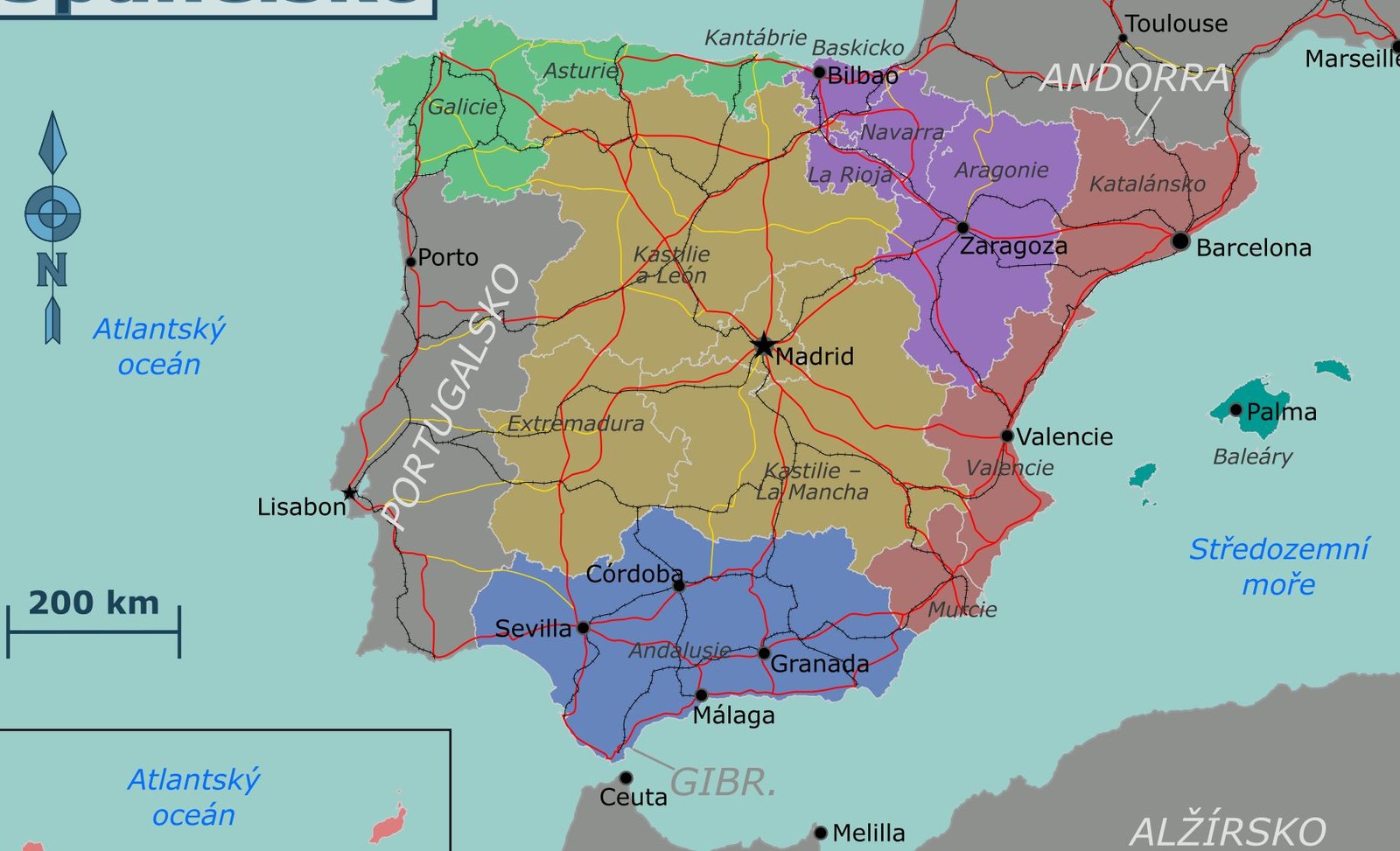
  • Northern Spain region

    Northern Spain (Green Spain) comprises Galicia, Asturias, Cantabria, the Basque Country, Navarra, and parts of Castilla y León and Aragón. Renowned for its lush, mountainous, and green landscape along the Bay of Biscay, it offers a distinct contrast to the south, featuring world-class cuisine (pintxos), rugged coastlines, and the Picos de Europa.

    Key Regions and Highlights
    Galicia: Known for its Celtic roots, seafood, and the Santiago de Compostela pilgrimage site.
    Asturias: A “natural paradise” featuring the Picos de Europa mountain range, the Lagos de Covadonga, and rugged coastlines.
    Cantabria: Famous for its caves (Altamira), beaches, and the Picos de Europa.
    Basque Country: Famed for its culinary scene, especially pintxos in San Sebastián and Bilbao’s Guggenheim Museum.
    Navarra: Famous for the Running of the Bulls in Pamplona and varied, green landscapes.
    La Rioja: A premier wine-producing region with historic, vineyard-filled landscapes.

    Culture and Geography
    Landscape: Characterized by “Green Spain” with verdant, mountainous terrain and dramatic, rocky coastlines.
    Climate: Temperate and green, with high annual rainfall, unlike the dry southern Spanish plains.
    Gastronomy: Known for hearty dishes, cider, fresh seafood, and Michelin-starred restaurants.
    Key Cities: Bilbao, San Sebastián, Santander, Oviedo, Pamplona, and Santiago de Compostela.

    Activities
    Hiking: Picos de Europa, Ruta de Cares.
    Surfing & Beaches: La Concha in San Sebastián and various coastal spots along the Cantabrian Sea.
    Cultural Tours: Exploring ancient Celtic history, medieval villages, and the Camino de Santiago.

  • Regions of Spain

    Regions of Spain

    Spain is divided into 17 Autonomous Communities, acting as its main administrative regions. Key areas include Catalonia (Barcelona), Andalusia (southern culture), Galicia (northwest), Basque Country (culinary), and Madrid (capital). Other notable regions are Valencia, Castile-La Mancha, and the Canary/Balearic Islands.

    Key Regional Groupings and Characteristics
    Northern Spain (Green Spain): Known for a humid climate, rugged coastlines, and distinct cultures.
    Galicia: Famous for the Santiago de Compostela pilgrimage and seafood.
    Asturias & Cantabria: Known for the Picos de Europa mountains, cider, and prehistoric caves.
    Basque Country (País Vasco): Renowned for its world-class culinary scene and cities like Bilbao and San Sebastián.
    Navarra & Aragon: Located along the Pyrenees border.
    La Rioja: Famous for wine production.
    Central Spain (Meseta Central): Characterized by a high, flat plateau, hot summers, and cold winters.
    Castile and León: Known for vast plains, medieval architecture, and historic cities.
    Castile-La Mancha: Famed for Don Quixote’s windmills, Manchego cheese, and olive groves.
    Madrid: The capital region and hub of national administration.
    Extremadura: Known for its history and, nature, and,, rural, landscapes.
    Mediterranean & Southern Spain:
    Catalonia (Cataluña): Known for its capital Barcelona, mountains, and Mediterranean coast.
    Andalusia (Andalucía): Known for flamenco,, Moorish architecture, and the, southern coast.
    Valencia & Murcia: Known for citrus, beaches, and, rice dishes like paella.
    Island Regions:
    Canary Islands (Islas Canarias): Volcanic, archipelago, off the, coast, of Africa with year-round warmth.
    Balearic Islands (Islas Baleares): Mediterranean, islands including, Mallorca, and, Ibiza.

    Administrative Structure
    These 17 communities (plus two autonomous cities in North Africa, Ceuta and Melilla) have varying degrees of autonomy. Some, like Catalonia, Galicia, and the Basque Country, are defined as “nationalities” with strong cultural identities.