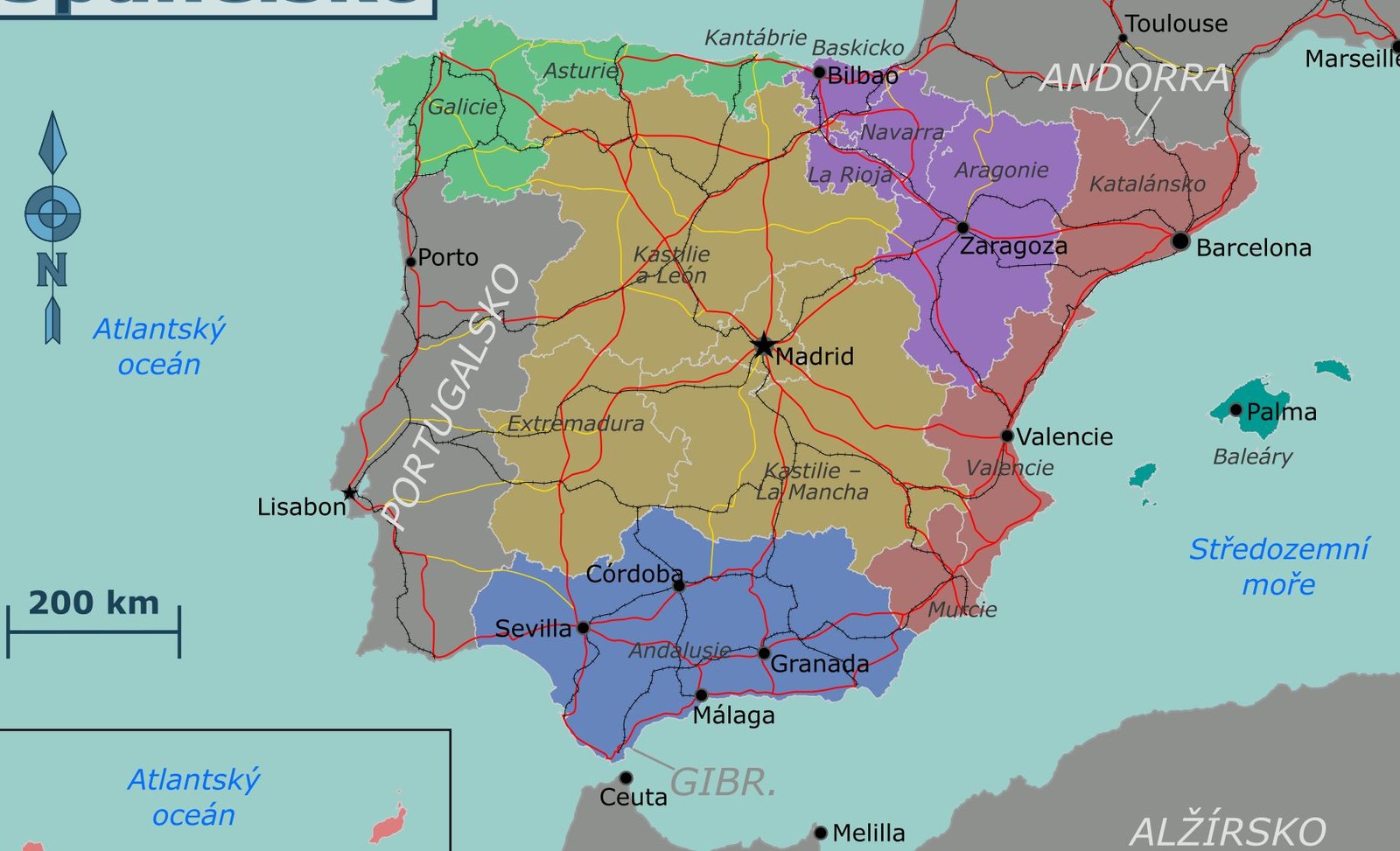
Spain is divided into 17 Autonomous Communities, acting as its main administrative regions. Key areas include Catalonia (Barcelona), Andalusia (southern culture), Galicia (northwest), Basque Country (culinary), and Madrid (capital). Other notable regions are Valencia, Castile-La Mancha, and the Canary/Balearic Islands.
Key Regional Groupings and Characteristics
Northern Spain (Green Spain): Known for a humid climate, rugged coastlines, and distinct cultures.
Galicia: Famous for the Santiago de Compostela pilgrimage and seafood.
Asturias & Cantabria: Known for the Picos de Europa mountains, cider, and prehistoric caves.
Basque Country (País Vasco): Renowned for its world-class culinary scene and cities like Bilbao and San Sebastián.
Navarra & Aragon: Located along the Pyrenees border.
La Rioja: Famous for wine production.
Central Spain (Meseta Central): Characterized by a high, flat plateau, hot summers, and cold winters.
Castile and León: Known for vast plains, medieval architecture, and historic cities.
Castile-La Mancha: Famed for Don Quixote’s windmills, Manchego cheese, and olive groves.
Madrid: The capital region and hub of national administration.
Extremadura: Known for its history and, nature, and,, rural, landscapes.
Mediterranean & Southern Spain:
Catalonia (Cataluña): Known for its capital Barcelona, mountains, and Mediterranean coast.
Andalusia (Andalucía): Known for flamenco,, Moorish architecture, and the, southern coast.
Valencia & Murcia: Known for citrus, beaches, and, rice dishes like paella.
Island Regions:
Canary Islands (Islas Canarias): Volcanic, archipelago, off the, coast, of Africa with year-round warmth.
Balearic Islands (Islas Baleares): Mediterranean, islands including, Mallorca, and, Ibiza.
Administrative Structure
These 17 communities (plus two autonomous cities in North Africa, Ceuta and Melilla) have varying degrees of autonomy. Some, like Catalonia, Galicia, and the Basque Country, are defined as “nationalities” with strong cultural identities.
Leave a Reply