Author: Ti

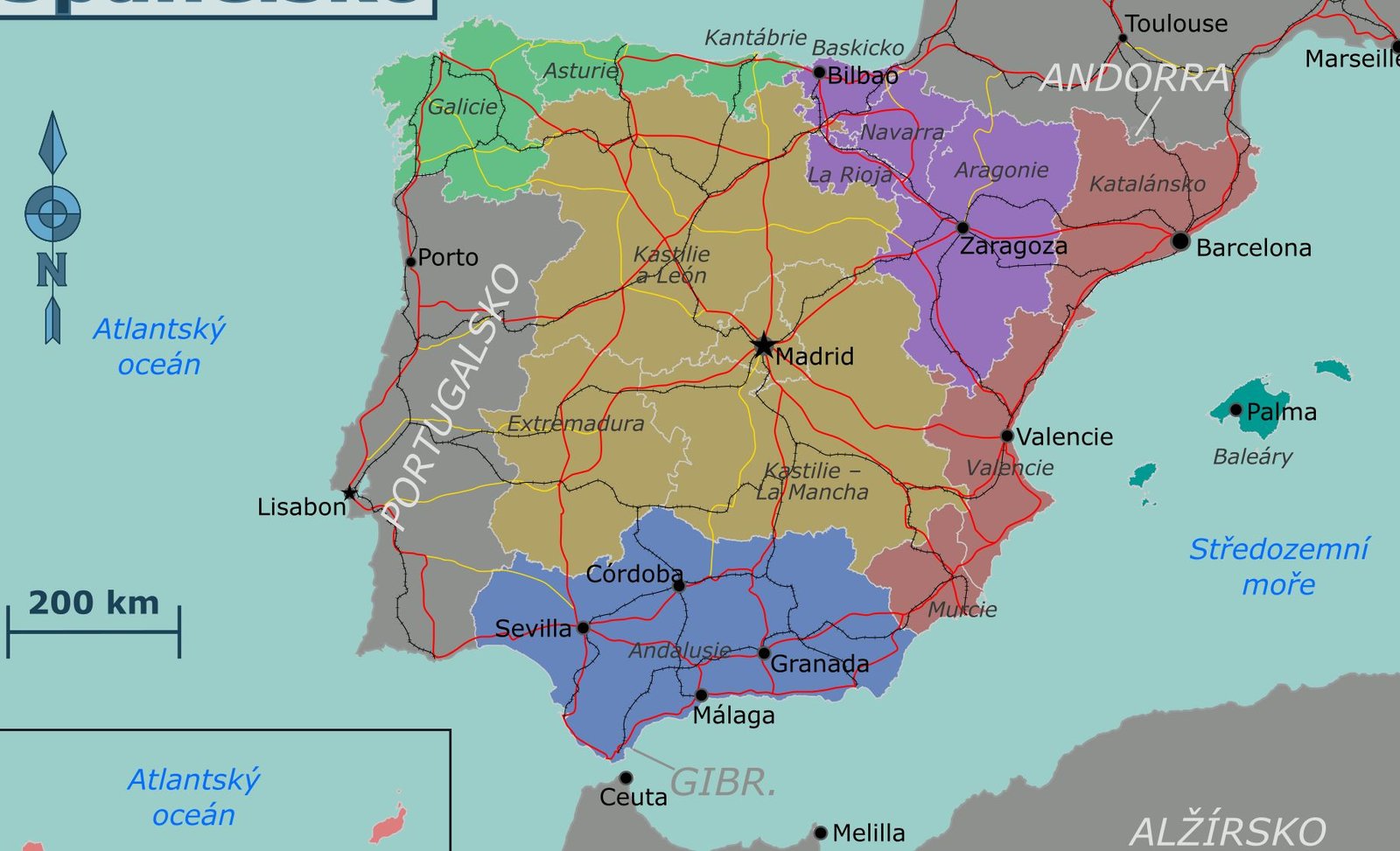
  • Aragon, Spain: Regional Guide

    Aragon (Aragón) is one of Spain’s most geographically diverse autonomous communities, occupying a large area in northeastern Spain between the central Iberian Peninsula and the Pyrenees. It is a land of high mountains, broad river valleys, medieval towns, historic cities, vineyards, castles and dramatic natural landscapes.

    The region is made up of three provinces: Zaragoza, Huesca and Teruel. Its capital and largest city is Zaragoza, an important cultural, industrial, commercial and transport center situated on the Ebro River.

    Aragon is especially interesting for travelers because it combines the Pyrenees in the north, the Ebro Valley in the center, and extensive mountainous and semi-arid landscapes in the south. Its history is equally important: medieval Aragon was one of the major political powers of the Iberian Peninsula and later formed part of the Crown of Aragon, which played a significant role in Mediterranean history.


    Basic Facts About Aragon

    FeatureInformation
    Official nameAragón
    CountrySpain
    CapitalZaragoza
    ProvincesZaragoza, Huesca, Teruel
    LocationNortheastern Spain
    BordersCatalonia, Valencia, Castile-La Mancha, Castile and León, La Rioja, Navarre and France
    Major riverEbro
    Northern landscapePyrenees
    Major citiesZaragoza, Huesca, Teruel
    Famous forPyrenees, Mudejar architecture, medieval heritage, skiing, nature and gastronomy
    Main tourism typesMountain, cultural, rural, adventure, winter sports and gastronomy

    Geography of Aragon

    Aragon covers a large territory despite having a relatively small population compared with some of Spain’s coastal communities.

    Its geography can broadly be divided into three major areas:

    1. The Pyrenean north
    2. The Ebro Valley
    3. The southern mountain and plateau areas

    This produces remarkable contrasts.

    In the north, the landscape rises dramatically toward the Pyrenees, with high peaks, valleys, forests, lakes and ski resorts.

    The central part is dominated by the Ebro Valley, where Zaragoza is located.

    Southern Aragon becomes increasingly mountainous and contains spectacular geological formations, forests, canyons and historic towns.


    The Three Provinces of Aragon

    Aragon consists of:

    • Zaragoza
    • Huesca
    • Teruel

    Each province has a distinct character and offers different travel experiences.


    1. Zaragoza Province

    Zaragoza is the largest province and contains the regional capital.

    The province combines the broad Ebro Valley with agricultural landscapes, historic towns and semi-arid areas.

    Zaragoza City

    Zaragoza is located on the Ebro River and has been an important settlement for thousands of years.

    The city has Roman, Islamic, Jewish and Christian heritage.

    Its most famous landmark is the Basílica de Nuestra Señora del Pilar, one of Spain’s most recognizable religious buildings.

    Other attractions include:

    • Basilica of Our Lady of the Pillar
    • La Seo Cathedral
    • Roman walls
    • Roman Theatre
    • Aljafería Palace
    • Ebro riverfront
    • Plaza del Pilar
    • Pablo Serrano Museum
    • Goya-related heritage

    Aljafería Palace

    The Palacio de la Aljafería is one of Spain’s most important examples of Islamic palace architecture.

    Originally constructed during the Islamic period, the building was subsequently modified and used by Christian rulers.

    It provides an excellent illustration of Aragon’s complex cultural history.


    2. Huesca Province

    Huesca is the northernmost province of Aragon and contains some of the most spectacular mountain scenery in Spain.

    The province extends into the Pyrenees and is particularly important for:

    • Hiking
    • Skiing
    • Mountaineering
    • Climbing
    • Rafting
    • Wildlife tourism
    • Rural tourism

    Huesca City

    Huesca is a historic provincial capital with monuments including:

    • Huesca Cathedral
    • San Pedro el Viejo Monastery
    • Historic old town
    • Provincial Museum

    The city also provides access to the Pyrenean areas farther north.


    The Aragonese Pyrenees

    The Pyrenees are one of Aragon’s greatest natural attractions.

    The Aragonese side of the mountain range contains deep valleys, alpine environments, forests and spectacular peaks.

    Important destinations include:

    • Benasque
    • Jaca
    • Aínsa
    • Torla
    • Canfranc
    • Formigal
    • Panticosa
    • Ordesa

    The area is suitable for both summer and winter tourism.


    Ordesa and Monte Perdido National Park

    One of the most important natural attractions in Aragon is Ordesa y Monte Perdido National Park.

    The park is located in the Pyrenees and contains:

    • Deep valleys
    • Waterfalls
    • Forests
    • Alpine meadows
    • Limestone cliffs
    • Mountain peaks

    Monte Perdido is one of the highest peaks in the Pyrenees.

    The park is particularly popular with hikers and nature enthusiasts.

    One of its most famous routes is through the Ordesa Valley, where dramatic cliffs rise above the valley floor.


    Benasque Valley

    The Benasque Valley is another important mountain destination.

    It is surrounded by some of the highest peaks of the Pyrenees and offers opportunities for:

    • Hiking
    • Mountaineering
    • Ski touring
    • Cycling
    • Wildlife observation
    • Photography

    The area is particularly attractive during spring and summer, while winter brings snow-based activities.


    Jaca

    Jaca is one of the most important historic towns in the Aragonese Pyrenees.

    It has traditionally been an important gateway between Spain and France.

    Its attractions include:

    • Jaca Cathedral
    • Ciudadela de Jaca
    • Historic center
    • Romanesque heritage

    Jaca is also an important base for exploring the surrounding mountains.


    Aínsa

    Aínsa is one of the most attractive medieval towns in the Pyrenean region.

    Its historic center contains:

    • Medieval streets
    • Castle
    • Main square
    • Stone houses
    • Mountain views

    Aínsa is an excellent base for exploring the Pyrenean valleys and Ordesa region.


    Canfranc

    Canfranc is famous for its historic railway station.

    The Canfranc International Railway Station was built during the early 20th century and became one of the most impressive railway structures in the Pyrenees.

    Today, the village and station are important attractions for visitors interested in architecture, history and mountain tourism.


    Aragon’s Ski Resorts

    The Pyrenees provide Aragon with some of Spain’s principal winter sports destinations.

    Important ski areas include:

    • Formigal-Panticosa
    • Cerler
    • Astún
    • Candanchú

    These resorts offer activities such as:

    • Alpine skiing
    • Snowboarding
    • Ski touring
    • Snowshoeing
    • Winter hiking

    Formigal-Panticosa is among the largest ski areas in the Spanish Pyrenees.


    3. Teruel Province

    Teruel is the southernmost province of Aragon.

    It is known for:

    • Mudejar architecture
    • Medieval towns
    • Dinosaur heritage
    • Mountain landscapes
    • Rural tourism
    • Unique geological formations

    The province is considerably less urbanized than many parts of Spain, making it particularly attractive to travelers looking for quieter destinations.


    Teruel City

    Teruel is one of the most fascinating cities in Aragon.

    The city is particularly famous for its Mudejar architecture, which reflects the coexistence and interaction of Christian and Islamic architectural traditions.

    Important monuments include:

    • Teruel Cathedral
    • Torre de El Salvador
    • Torre de San Martín
    • Torre de San Pedro
    • Mausoleum of the Lovers of Teruel

    The historic center provides an excellent introduction to Aragonese medieval culture.


    Mudejar Architecture of Aragon

    Mudejar architecture is one of Aragon’s most distinctive cultural characteristics.

    It developed through the interaction of Islamic architectural techniques and Christian building traditions.

    Typical features include:

    • Brick construction
    • Geometric patterns
    • Decorative ceramic tiles
    • Intricate towers
    • Islamic-inspired ornamentation

    Important Mudejar monuments can be found in:

    • Teruel
    • Zaragoza
    • Calatayud
    • Daroca
    • Tauste

    Several Aragonese Mudejar monuments are recognized as UNESCO World Heritage.


    Albarracín

    Albarracín is one of the most famous historic towns in Aragon.

    Located in Teruel province, it is surrounded by dramatic hills and characterized by reddish stone buildings, narrow streets and medieval architecture.

    Highlights include:

    • Medieval walls
    • Cathedral
    • Castle
    • Historic houses
    • Narrow streets
    • Mountain viewpoints

    Albarracín is frequently considered one of Spain’s most remarkable medieval settlements.


    Dinópolis and Aragon’s Dinosaur Heritage

    Teruel province has become an important destination for dinosaur tourism.

    The region contains significant paleontological discoveries, and Dinópolis in Teruel provides a major science and educational attraction dedicated to dinosaurs and prehistoric life.

    The surrounding province also contains paleontological sites and museums.

    This gives Teruel an unusual tourism combination: medieval architecture, mountain scenery and prehistoric heritage.


    The Maestrazgo

    The Maestrazgo is a mountainous region extending across parts of Teruel and neighboring areas.

    It is characterized by:

    • Deep valleys
    • Limestone formations
    • Medieval villages
    • Forests
    • Cliffs
    • Rural landscapes

    Important towns include:

    • Cantavieja
    • Mirambel
    • Morella area nearby in Valencia
    • Villarluengo

    The region is particularly suitable for road trips, hiking and rural tourism.


    The Ebro River and Valley

    The Ebro is Spain’s longest river and one of the defining geographical features of Aragon.

    It flows through Zaragoza and supports agriculture and settlements throughout the central part of the region.

    The Ebro Valley has historically served as an important transportation, agricultural and economic corridor.

    Today it supports:

    • Agriculture
    • Industry
    • Tourism
    • Fishing
    • Birdwatching
    • Outdoor recreation

    Aragon’s Natural Landscapes

    Aragon is an excellent destination for nature tourism.

    Its landscapes include:

    Pyrenees

    High mountains, alpine valleys, forests and glaciers.

    Ebro Valley

    Broad agricultural landscapes and river ecosystems.

    Sierra de Guara

    Known for spectacular canyons, cliffs and water-based adventure activities.

    Moncayo

    One of the most prominent mountains of the Iberian System.

    Maestrazgo

    Mountain landscapes and medieval villages.

    Monegros

    A distinctive semi-arid landscape in northeastern Aragon.


    Sierra de Guara

    The Sierra de Guara is particularly famous among adventure travelers.

    Its canyons and ravines provide opportunities for:

    • Canyoning
    • Hiking
    • Climbing
    • Mountain biking
    • Photography
    • Wildlife observation

    The landscape is dramatically different from the high Pyrenees, demonstrating the extraordinary geographical variety of Aragon.


    Monegros

    The Monegros is a semi-arid area in central Aragon.

    Its dry landscapes, unusual geological formations and sparse vegetation create an almost desert-like environment.

    It is particularly interesting for travelers seeking landscapes that differ from the traditional image of northern Spain.


    Aragonese Cuisine

    Aragon has a strong agricultural and rural culinary tradition.

    Important products include:

    • Lamb
    • Ham
    • Olive oil
    • Peaches
    • Cherries
    • Truffles
    • Mushrooms
    • Cheese
    • Vegetables
    • Local wines

    Ternasco de Aragón

    Ternasco de Aragón is one of the region’s best-known traditional foods.

    It is a young lamb traditionally prepared through roasting or other regional cooking methods.

    Fruits

    Aragon produces important quantities of:

    • Peaches
    • Cherries
    • Apples
    • Pears

    The fertile areas around the Ebro contribute significantly to agricultural production.

    Jamón de Teruel

    Teruel is known for its cured ham, traditionally produced under protected regional quality standards.

    Truffles

    The mountainous areas of Teruel have become particularly important for black truffle production.


    Wine in Aragon

    Aragon has several important wine-producing areas.

    The region’s best-known wine denominations include:

    • Cariñena
    • Campo de Borja
    • Somontano
    • Calatayud

    Somontano

    Located near the Pyrenees in Huesca province, Somontano has become an important wine tourism destination.

    Campo de Borja

    Campo de Borja is particularly associated with Garnacha, one of Spain’s most important grape varieties.

    Cariñena

    Cariñena is one of Spain’s historic wine-producing areas and gives its name to the internationally known grape variety.


    Aragon and Goya

    One of Aragon’s most famous cultural figures is Francisco de Goya, one of Spain’s most influential painters.

    Goya was born in Fuendetodos, near Zaragoza, in 1746.

    Visitors interested in his life and work can explore:

    • Goya Museum in Zaragoza
    • Goya’s birthplace in Fuendetodos
    • Churches and works associated with his early career

    His connection to Aragon remains an important part of the region’s cultural identity.


    History of Aragon

    Aragon has played an important role in the history of Spain.

    During the Middle Ages, the Kingdom of Aragon became one of the major Christian kingdoms of the Iberian Peninsula.

    The Crown of Aragon eventually became a major Mediterranean power.

    Its territories and political influence extended into parts of the Mediterranean, including areas of present-day Italy and other territories.

    The marriage of Ferdinand of Aragon and Isabella of Castile in the late 15th century created a dynastic union that became fundamental to the later development of Spain.

    Importantly, the two crowns retained distinct institutions and legal traditions for a considerable period; the formation of modern Spain was a long historical process rather than an instantaneous political merger.


    Festivals in Aragon

    Aragon has numerous traditional festivals.

    Fiestas del Pilar

    The Fiestas del Pilar in Zaragoza are among the region’s largest celebrations.

    They center around the city’s patroness, the Virgin of the Pillar.

    Events include:

    • Religious ceremonies
    • Concerts
    • Parades
    • Traditional performances
    • Floral offerings
    • Cultural events

    Medieval Festivals

    Many towns throughout Aragon organize medieval-themed events celebrating their historic heritage.

    Local Mountain Festivals

    Pyrenean villages maintain numerous traditional festivals connected with local communities, agriculture and religious traditions.


    Zaragoza as a Tourism Destination

    Zaragoza deserves particular attention because it combines major historical attractions with the characteristics of a modern Spanish city.

    A visitor can explore:

    • Roman archaeology
    • Islamic architecture
    • Renaissance buildings
    • Baroque churches
    • Museums
    • Riverfront areas
    • Contemporary restaurants

    The city is also strategically positioned between Madrid, Barcelona, Bilbao and Valencia, making it an important transport hub.


    Best Places to Visit in Aragon

    Some of the most interesting destinations include:

    1. Zaragoza
    2. Ordesa and Monte Perdido National Park
    3. Albarracín
    4. Teruel
    5. Aínsa
    6. Jaca
    7. Huesca
    8. Benasque
    9. Alquézar
    10. Canfranc
    11. Tarazona
    12. Daroca
    13. Calatayud
    14. Loarre Castle
    15. Sierra de Guara
    16. Maestrazgo
    17. Moncayo
    18. Monegros
    19. Fuendetodos
    20. Valderrobres

    Loarre Castle

    Loarre Castle is one of the most impressive Romanesque castles in Spain.

    Located in Huesca province, the fortress occupies a strategic position overlooking the surrounding countryside.

    Its spectacular setting and relatively well-preserved medieval architecture make it an important attraction for visitors interested in castles and medieval history.


    Alquézar

    Alquézar is a historic village in Huesca province situated above the Vero River canyon.

    It is particularly popular for:

    • Medieval architecture
    • Hiking
    • Canyoning
    • Mountain scenery
    • Photography

    The surrounding Sierra de Guara is one of the major adventure tourism areas of northeastern Spain.


    Valderrobres

    Valderrobres, in Teruel province, is a picturesque medieval town known for its castle and historic center.

    Its stone architecture and location in the Matarraña area make it one of southern Aragon’s most attractive rural destinations.


    Tourism in Aragon

    Aragon’s tourism economy is unusually diverse.

    Tourism TypeImportant Areas
    Cultural tourismZaragoza, Teruel, Huesca
    Mountain tourismPyrenees
    Ski tourismFormigal, Cerler, Astún, Candanchú
    HikingOrdesa, Guara, Pyrenees
    Rural tourismTeruel, Huesca, Maestrazgo
    Adventure tourismSierra de Guara, Pyrenees
    Wine tourismSomontano, Cariñena, Campo de Borja
    Gastronomic tourismZaragoza, Teruel, Huesca
    Historical tourismZaragoza, Albarracín, Teruel, Jaca
    PaleontologyTeruel
    ArchitectureZaragoza, Teruel, Huesca

    Best Time to Visit Aragon

    Aragon can be visited throughout the year, but the best period depends on your interests.

    Spring

    Spring is excellent for:

    • Hiking
    • City sightseeing
    • Rural tourism
    • Photography
    • Exploring historic towns

    Mountain landscapes become particularly attractive as temperatures rise.

    Summer

    Summer is suitable for:

    • Pyrenean hiking
    • Mountain tourism
    • River activities
    • Rural holidays

    Higher elevations provide cooler conditions than the Ebro Valley.

    Autumn

    Autumn is an excellent period for:

    • Hiking
    • Photography
    • Wine tourism
    • Rural tourism
    • Gastronomy

    The Pyrenean forests can be particularly attractive during the autumn foliage season.

    Winter

    Winter is the main season for:

    • Skiing
    • Snowboarding
    • Snowshoeing
    • Winter mountain tourism

    The Pyrenean resorts are the principal winter destinations.


    Traveling Around Aragon

    Aragon’s major cities are connected by road and rail, but a car is particularly useful for exploring the countryside.

    A road trip can connect:

    Zaragoza → Huesca → Jaca → Canfranc → Ordesa → Aínsa → Alquézar

    Another itinerary could explore:

    Zaragoza → Teruel → Albarracín → Maestrazgo → Valderrobres

    These routes demonstrate how dramatically the region changes from one landscape to another.


    Aragon for Different Types of Travelers

    For history lovers

    Consider:

    • Zaragoza
    • Teruel
    • Albarracín
    • Jaca
    • Loarre Castle
    • Aljafería Palace

    For nature lovers

    Consider:

    • Ordesa
    • Pyrenees
    • Sierra de Guara
    • Moncayo
    • Benasque

    For adventure travelers

    Consider:

    • Canyoning in Sierra de Guara
    • Mountaineering in the Pyrenees
    • Hiking
    • Climbing
    • Mountain biking
    • Rafting

    For winter sports

    Consider:

    • Formigal-Panticosa
    • Cerler
    • Astún
    • Candanchú

    For food and wine

    Consider:

    • Somontano
    • Cariñena
    • Campo de Borja
    • Teruel
    • Zaragoza

    For quiet rural travel

    Consider:

    • Albarracín
    • Aínsa
    • Alquézar
    • Maestrazgo
    • Matarraña

    Why Visit Aragon?

    Aragon is sometimes overshadowed by better-known Spanish destinations such as Barcelona, Madrid or Andalusia, but its combination of attractions makes it particularly rewarding for travelers looking for a less conventional Spanish experience.

    The region offers high mountains and ski resorts in the north, historic cities in the center, medieval villages in the south, major archaeological and architectural sites, vineyards, rural landscapes and spectacular natural parks.

    Its cultural heritage is equally impressive. Roman, Islamic, Jewish and Christian influences can be seen in its cities and monuments, while the legacy of the medieval Kingdom and Crown of Aragon remains an important part of the region’s identity.

    Aragon is one of northeastern Spain’s most geographically and historically diverse regions. Its three provinces—Zaragoza, Huesca and Teruel—offer remarkably different experiences.

    Zaragoza provides major urban, religious, Roman and Islamic heritage. Huesca is the gateway to the Pyrenees, Ordesa, skiing and some of Spain’s finest mountain landscapes. Teruel combines Mudejar architecture, medieval towns, dinosaur heritage and rugged mountain scenery.

    For travelers, Aragon provides an opportunity to experience a side of Spain that goes far beyond the country’s famous beaches. From the Ebro Valley to the Pyrenees, from Zaragoza’s Aljafería Palace to Teruel’s Mudejar towers, and from Albarracín’s medieval streets to Ordesa’s dramatic mountain valleys, the region offers a powerful combination of history, nature, gastronomy and outdoor adventure.
  • Andalusia, Spain: Regional Guide

    Andalusia, or Andalucía, is Spain’s southernmost autonomous community and one of the country’s most culturally distinctive regions. Stretching from the Atlantic Ocean to the Mediterranean Sea, Andalusia combines historic cities, long coastlines, mountain ranges, whitewashed villages, agricultural landscapes and internationally recognized traditions.

    The region is particularly associated with Seville, Granada, Córdoba, Málaga, Cádiz, flamenco, Moorish architecture, tapas, the Costa del Sol and the Sierra Nevada. It is also one of Spain’s most important tourism regions, offering everything from major cultural attractions and beach resorts to hiking, rural tourism, skiing and gastronomy.

    Basic Facts

    FeatureInformation
    Official nameAndalucía
    CountrySpain
    CapitalSeville (Sevilla)
    Largest citySeville
    Provinces8
    ProvincesAlmería, Cádiz, Córdoba, Granada, Huelva, Jaén, Málaga, Seville
    LocationSouthern Spain
    CoastlinesAtlantic Ocean and Mediterranean Sea
    Major citiesSeville, Málaga, Córdoba, Granada, Cádiz, Almería, Huelva, Jaén
    Major mountainsSierra Nevada, Sierra Morena, Baetic ranges
    Major riversGuadalquivir, Guadiana
    Main tourism sectorsCultural, beach, nature, gastronomy, rural, golf and winter tourism

    Geography of Andalusia

    Andalusia occupies much of southern Spain and is one of the country’s largest autonomous communities by both area and population.

    Its geography is exceptionally varied.

    The region includes:

    • Mediterranean coastline
    • Atlantic coastline
    • Mountain ranges
    • Fertile river valleys
    • Olive-growing landscapes
    • Semi-arid terrain
    • Wetlands
    • Pine forests
    • High-altitude mountain environments
    • Whitewashed mountain villages

    The Guadalquivir Valley forms one of the region’s most important geographical areas. The river flows through Córdoba and Seville before reaching the Atlantic near Sanlúcar de Barrameda.

    To the north are the landscapes of Sierra Morena, while the southern and southeastern parts include the extensive Baetic mountain systems.

    The Sierra Nevada contains mainland Spain’s highest mountain, Mulhacén, and provides an unusual combination of Mediterranean tourism and winter sports.


    The Eight Provinces of Andalusia

    Andalusia consists of eight provinces.

    1. Almería

    Almería occupies the southeastern part of Andalusia and is famous for its dry climate, Mediterranean coastline and distinctive landscapes.

    Important destinations include:

    • Almería city
    • Cabo de Gata-Níjar Natural Park
    • Mojácar
    • Níjar
    • Roquetas de Mar
    • Tabernas Desert
    • Sorbas

    The Tabernas Desert is particularly famous because its landscapes have been used as filming locations for numerous Western and adventure movies.

    The Cabo de Gata area combines volcanic landscapes, beaches, cliffs and protected habitats.


    2. Cádiz

    Cádiz is located between the Atlantic Ocean and the Strait of Gibraltar.

    The province is known for beaches, historic towns, seafood, sherry production and its distinctive coastal culture.

    Important destinations include:

    • Cádiz city
    • Jerez de la Frontera
    • Tarifa
    • El Puerto de Santa María
    • Conil de la Frontera
    • Vejer de la Frontera
    • Sanlúcar de Barrameda
    • Zahara de los Atunes

    The province contains part of the famous Costa de la Luz, known for extensive Atlantic beaches.

    Tarifa is also internationally known for wind and water sports.


    3. Córdoba

    Córdoba lies inland in the Guadalquivir Valley and has one of Spain’s most important historical centers.

    The city’s greatest landmark is the Mezquita-Catedral de Córdoba, originally constructed as a major mosque during the Islamic period and later converted into a Christian cathedral.

    Other attractions include:

    • Historic center of Córdoba
    • Roman Bridge
    • Alcázar de los Reyes Cristianos
    • Jewish Quarter
    • Medina Azahara
    • Patios of Córdoba

    Córdoba was an important intellectual, political and cultural center during the medieval Islamic period.

    Today, its heritage makes it one of Andalusia’s major cultural tourism destinations.


    4. Granada

    Granada is one of Andalusia’s most internationally famous provinces.

    Its capital, Granada, lies near the foothills of the Sierra Nevada.

    The province is particularly famous for the Alhambra, the monumental palace and fortress complex overlooking the city.

    Other attractions include:

    • Alhambra
    • Generalife
    • Albaicín
    • Sacromonte
    • Sierra Nevada
    • Alpujarras
    • Guadix
    • Sierra Nevada National Park

    Granada offers an unusual combination of Islamic architectural heritage, Christian monuments, mountain landscapes and modern Spanish culture.

    The Sierra Nevada also provides opportunities for skiing and other mountain activities.


    5. Huelva

    Huelva occupies the western part of Andalusia, close to Portugal.

    The province combines Atlantic beaches, wetlands, forests and agricultural landscapes.

    Important destinations include:

    • Huelva city
    • Doñana National Park
    • Matalascañas
    • El Rocío
    • Ayamonte
    • Isla Cristina
    • Aracena
    • Rio Tinto

    Huelva has strong historical connections with the voyages of Christopher Columbus.

    The province is also important for agriculture, particularly strawberries and other fruits, while the Sierra de Aracena is associated with traditional rural landscapes and gastronomy.


    6. Jaén

    Jaén is located in northeastern Andalusia and is particularly famous for olive oil.

    The province contains vast olive groves stretching across rolling hills.

    Important destinations include:

    • Jaén city
    • Úbeda
    • Baeza
    • Cazorla
    • Sierra de Cazorla
    • Segura and Las Villas
    • Baños de la Encina

    Úbeda and Baeza are especially significant for Renaissance architecture.

    Jaén’s mountain areas also make the province important for hiking, wildlife and rural tourism.


    7. Málaga

    Málaga is one of Spain’s most important tourism provinces.

    Its Mediterranean coastline is known internationally as the Costa del Sol.

    Important destinations include:

    • Málaga city
    • Marbella
    • Nerja
    • Fuengirola
    • Torremolinos
    • Benalmádena
    • Estepona
    • Mijas
    • Ronda
    • Frigiliana
    • Antequera

    Málaga city has developed into an important cultural destination, with museums, historic architecture, restaurants and a revitalized waterfront.

    The wider province combines major beach resorts with mountain villages and natural attractions.


    8. Seville

    Seville is the capital of Andalusia and one of Spain’s most historically significant cities.

    Important landmarks include:

    • Seville Cathedral
    • Giralda
    • Royal Alcázar
    • Plaza de España
    • Parque de María Luisa
    • Metropol Parasol
    • Santa Cruz district
    • Triana

    Seville is closely associated with flamenco, traditional Andalusian architecture, festivals and tapas culture.

    The city is also an important economic, educational and transport center for southern Spain.


    Major Cities of Andalusia

    Seville

    Seville is the administrative capital and one of Andalusia’s principal cultural centers.

    Its architecture reflects Roman, Islamic, Gothic, Renaissance and Baroque influences.

    The city is particularly famous for the Giralda, the cathedral, the Royal Alcázar and Plaza de España.


    Málaga

    Málaga is one of the region’s principal Mediterranean cities.

    It combines beaches, museums, restaurants, historic streets and a major international airport.

    The city is also associated with Pablo Picasso, who was born in Málaga.


    Granada

    Granada is best known for the Alhambra and its historic neighborhoods.

    The city sits dramatically below the Sierra Nevada and is one of Spain’s most important destinations for Islamic and medieval heritage.


    Córdoba

    Córdoba is famous for the Mezquita-Catedral and its historic streets and courtyards.

    It is one of the essential destinations for understanding Andalusia’s multicultural history.


    Cádiz

    Cádiz is one of Europe’s oldest continuously inhabited cities and occupies a peninsula extending into the Atlantic.

    It combines historic architecture with beaches and a strong maritime tradition.


    Marbella

    Marbella is one of the best-known destinations on the Costa del Sol.

    It is particularly associated with:

    • Luxury tourism
    • Beaches
    • Golf
    • Marina life
    • Restaurants
    • Upscale accommodation

    Andalusia’s Historic Heritage

    Few regions in Europe contain such a visible mixture of different historical periods.

    The region’s heritage includes:

    Roman heritage

    Roman civilization left major monuments throughout Andalusia.

    Examples include:

    • Roman Bridge of Córdoba
    • Roman Theatre of Málaga
    • Roman ruins at Italica
    • Roman remains throughout Cádiz and other cities

    Islamic heritage

    The Islamic period profoundly influenced Andalusian architecture, agriculture, urban planning and culture.

    Major examples include:

    • Alhambra
    • Mezquita of Córdoba
    • Giralda
    • Alcazabas
    • Albaicín
    • Medina Azahara

    Christian heritage

    Following the Christian conquest, many existing buildings were transformed or incorporated into new Christian monuments.

    Major cathedrals, churches, monasteries and palaces appeared throughout the region.

    Renaissance and Baroque heritage

    Cities such as Seville, Úbeda and Baeza contain important Renaissance and Baroque architecture.


    The Alhambra

    The Alhambra in Granada is arguably Andalusia’s most famous monument.

    The complex includes palaces, courtyards, gardens, defensive structures and decorative architecture associated primarily with the Nasrid period.

    The nearby Generalife was used as a leisure and garden complex.

    The Alhambra is one of Spain’s most important cultural attractions and a UNESCO World Heritage site.


    Córdoba and the Mezquita

    The Mezquita-Catedral de Córdoba is another defining monument of Andalusia.

    Its famous forest of columns and horseshoe arches reflects the building’s Islamic architectural origins, while the cathedral inserted into the structure demonstrates the later Christian transformation.

    The surrounding historic center contains narrow streets, courtyards, traditional houses and remnants of Córdoba’s Jewish heritage.


    Seville’s Royal Alcázar

    The Real Alcázar of Seville is a spectacular palace complex that combines Islamic, Gothic, Renaissance and later architectural elements.

    It remains one of the city’s major attractions and is particularly notable for its ornate courtyards, gardens and decorative tilework.


    Andalusia and Flamenco

    Flamenco is one of the cultural traditions most closely associated with Andalusia.

    It combines:

    • Singing
    • Guitar
    • Dance
    • Rhythm
    • Improvisation

    Important flamenco centers include:

    • Seville
    • Jerez de la Frontera
    • Cádiz
    • Granada

    Jerez is particularly important for flamenco traditions, while Seville has numerous venues where visitors can experience performances.

    Flamenco should not be viewed simply as a tourist performance; it has deep historical roots within Andalusian communities and has developed through complex interactions among different musical and cultural traditions.


    Andalusian Beaches

    Andalusia has coastlines on both the Mediterranean and Atlantic.

    Costa del Sol

    The Costa del Sol stretches along the Mediterranean coast of Málaga province.

    Major destinations include:

    • Málaga
    • Torremolinos
    • Benalmádena
    • Fuengirola
    • Marbella
    • Estepona
    • Nerja

    It is particularly well developed for international tourism.


    Costa de la Luz

    The Costa de la Luz lies mainly along the Atlantic coast of Cádiz and Huelva.

    Important destinations include:

    • Tarifa
    • Zahara de los Atunes
    • Conil de la Frontera
    • El Palmar
    • Cádiz
    • Isla Cristina
    • Matalascañas

    The Atlantic coast generally offers a different atmosphere from the more developed Mediterranean resort areas.


    Andalusia’s Natural Attractions

    Andalusia has numerous protected natural areas.

    Among the most important are:

    Doñana National Park

    Located in the provinces of Huelva, Seville and Cádiz, Doñana is one of Europe’s best-known wetland ecosystems.

    It is important for migratory birds and other wildlife.

    Sierra Nevada

    The Sierra Nevada contains Spain’s highest mainland mountain and is one of the country’s principal winter sports areas.

    Cabo de Gata-Níjar

    This protected coastal area in Almería is famous for volcanic scenery, cliffs, beaches and relatively dry landscapes.

    Sierra de Grazalema

    Located between Cádiz and Málaga, the area features dramatic limestone mountains, caves, forests and hiking routes.

    Sierra de Cazorla

    Located in Jaén, this extensive mountainous region is important for forests, rivers, wildlife and outdoor tourism.


    Andalusian Villages

    One of the most recognizable images of Andalusia is the pueblo blanco, or white village.

    Many villages feature:

    • Whitewashed houses
    • Narrow streets
    • Flower-filled balconies
    • Hillside locations
    • Historic churches
    • Small plazas

    Notable examples include:

    • Ronda
    • Frigiliana
    • Mijas
    • Vejer de la Frontera
    • Grazalema
    • Arcos de la Frontera
    • Zahara de la Sierra

    These villages offer a different experience from the region’s major cities and coastal resorts.


    Ronda

    Ronda is one of Andalusia’s most spectacular mountain towns.

    The city sits dramatically above the El Tajo gorge, crossed by the famous Puente Nuevo.

    Ronda combines:

    • Historic streets
    • Mountain scenery
    • Traditional architecture
    • Historic bullring
    • Viewpoints
    • Andalusian gastronomy

    Its location makes it a popular destination for day trips from Málaga and the Costa del Sol.


    Andalusian Cuisine

    Food is an essential part of Andalusian culture.

    Gazpacho

    This cold tomato-based soup is particularly associated with hot Andalusian summers.

    Salmorejo

    A thicker cold soup from Córdoba, usually made with tomatoes, bread, olive oil and garlic.

    Jamón

    Cured ham is an important part of Andalusian gastronomy, particularly in areas such as Huelva.

    Fried Fish

    The coastal provinces are famous for fried seafood and fish.

    Tapas

    Andalusia is one of Spain’s most important regions for tapas culture.

    Pescaíto Frito

    A mixture of small fried fish and seafood is particularly popular along the coast.

    Sherry

    The area around Jerez de la Frontera is internationally famous for sherry wines.

    Olive Oil

    Jaén is particularly important for olive production and is one of the world’s major olive-oil regions.


    Wine in Andalusia

    Andalusia has several important wine traditions.

    The best-known is Sherry, produced around the so-called Sherry Triangle:

    • Jerez de la Frontera
    • El Puerto de Santa María
    • Sanlúcar de Barrameda

    The region produces different styles of fortified and aged wines, including fino, manzanilla, amontillado, oloroso and Pedro Ximénez.

    Wine tourism is an increasingly important part of travel in Cádiz province.


    Festivals in Andalusia

    Andalusia has a very rich festival calendar.

    Major events include:

    Semana Santa

    Holy Week processions take place throughout the region, with Seville particularly famous for its elaborate celebrations.

    Feria de Abril

    Seville’s April Fair is one of Spain’s best-known traditional festivals.

    Feria de Málaga

    Málaga hosts a major summer festival featuring music, food and celebrations.

    Carnival of Cádiz

    Cádiz is famous for its humorous and musical carnival traditions.

    Feria del Caballo

    Jerez de la Frontera hosts an important festival associated with horses, flamenco and Andalusian culture.


    Tourism in Andalusia

    Tourism is one of Andalusia’s major economic activities.

    The region supports numerous forms of tourism:

    Type of TourismMain Areas
    Beach tourismMálaga, Cádiz, Almería, Huelva
    Cultural tourismSeville, Córdoba, Granada
    Luxury tourismMarbella, Costa del Sol
    Rural tourismCádiz, Jaén, Córdoba, Málaga
    Mountain tourismSierra Nevada, Cazorla
    Winter sportsSierra Nevada
    GastronomyCórdoba, Seville, Cádiz, Málaga, Jaén
    Wine tourismJerez and Cádiz province
    Golf tourismCosta del Sol
    Adventure tourismSierra Nevada, Málaga, Cádiz, Almería
    Religious tourismSeville, Córdoba, Granada, El Rocío

    Best Places to Visit in Andalusia

    For a first trip, some of the most important destinations to consider are:

    1. Seville
    2. Granada
    3. Córdoba
    4. Málaga
    5. Cádiz
    6. Ronda
    7. Marbella
    8. Nerja
    9. Jerez de la Frontera
    10. Frigiliana
    11. Tarifa
    12. Úbeda
    13. Baeza
    14. Almería
    15. Cabo de Gata
    16. Sierra Nevada
    17. Doñana National Park
    18. Arcos de la Frontera
    19. Vejer de la Frontera
    20. Cazorla

    When to Visit Andalusia

    Andalusia can be visited throughout the year, but the ideal period depends on the type of trip.

    Spring

    Spring is particularly attractive for city sightseeing and cultural tourism.

    Temperatures are generally more comfortable than during the hottest part of summer, and many cities hold major festivals.

    Summer

    Summer is excellent for coastal holidays but can be extremely hot inland.

    Cities such as Córdoba and Seville can experience very high temperatures during July and August.

    Autumn

    Autumn provides pleasant conditions for cultural trips, hiking and rural tourism.

    Winter

    Winter is relatively mild along the Mediterranean and Atlantic coasts.

    The Sierra Nevada, however, becomes an important destination for skiing and winter sports.


    Transportation in Andalusia

    Andalusia is well connected to the rest of Spain.

    Airports

    Major airports include:

    • Málaga-Costa del Sol Airport
    • Seville Airport
    • Granada-Jaén Airport
    • Jerez Airport
    • Almería Airport

    Málaga is particularly important for international tourism.

    High-Speed Rail

    High-speed rail connections link major Andalusian cities with Madrid and other parts of Spain.

    Rail travel is particularly convenient between major urban destinations such as Madrid, Córdoba, Seville and Málaga.

    Road Travel

    A car can be useful for exploring:

    • White villages
    • Mountain regions
    • Rural areas
    • Smaller coastal towns
    • Natural parks

    For travelers concentrating on Seville, Córdoba, Granada and Málaga, however, public transportation can often be practical.


    Andalusia as a Travel Destination

    What makes Andalusia particularly interesting is the combination of experiences available within one region.

    A traveler can begin in Seville, explore its historic architecture and flamenco traditions, continue to Córdoba for its extraordinary medieval heritage, travel to Granada and the Alhambra, cross the Sierra Nevada, and then reach the Mediterranean coast around Málaga.

    Alternatively, a coastal journey can follow the Costa del Sol, while an Atlantic itinerary can explore Cádiz, Tarifa and the Costa de la Luz.

    A road trip through the white villages offers yet another perspective, while Jaén provides extensive olive landscapes and the mountainous interior offers hiking and nature tourism.

    Andalusia is one of Spain’s most diverse and culturally distinctive regions. Its combination of Mediterranean and Atlantic coastlines, historic cities, mountains, natural parks, villages, cuisine and traditions makes it suitable for many different types of travelers.

    The region’s eight provinces each offer a different character. Seville represents Andalusian urban culture and monumental architecture; Granada is closely connected with the Alhambra and the Sierra Nevada; Córdoba preserves extraordinary Islamic and medieval heritage; Málaga combines a major Mediterranean city with the Costa del Sol; Cádiz offers Atlantic beaches and historic towns; Jaén is closely associated with olive oil; Huelva combines Atlantic nature with rural landscapes; and Almería offers some of the region’s most unusual arid and volcanic scenery.

    For travelers seeking a destination where history, architecture, beaches, mountains, gastronomy and living cultural traditions come together, Andalusia provides an exceptionally broad range of experiences within a single Spanish autonomous community.

  • Regions of Spain: Guide to Spain’s Autonomous Communities

    Regions of Spain: Guide to Spain’s Autonomous Communities

    Spain is one of Europe’s most geographically and culturally diverse countries. From the green Atlantic landscapes of Galicia and Asturias to the Mediterranean beaches of Valencia and Catalonia, from the mountains of the Pyrenees to the volcanic landscapes of the Canary Islands, Spain contains an extraordinary variety of environments, cultures, traditions and cuisines.

    Administratively, Spain is divided into 17 Autonomous Communities and 2 Autonomous Cities: Ceuta and Melilla. Each autonomous community has its own institutions and significant responsibilities in areas such as education, healthcare, culture, tourism and regional development.

    The regions are also remarkably different in character. Andalusia is famous for flamenco, Moorish heritage and Mediterranean landscapes; Catalonia combines Mediterranean culture with Barcelona and the Pyrenees; the Basque Country is known for its distinctive culture and cuisine; Galicia has strong Celtic and Atlantic influences; while Madrid is the country’s political, economic and cultural center.

    This regional diversity is one of the main reasons Spain remains one of Europe’s most important destinations for tourism, culture, gastronomy and business.


    Spain’s 17 Autonomous Communities

    The 17 Autonomous Communities are:

    1. Andalusia
    2. Aragon
    3. Asturias
    4. Balearic Islands
    5. Canary Islands
    6. Cantabria
    7. Castile and León
    8. Castile-La Mancha
    9. Catalonia
    10. Valencian Community
    11. Extremadura
    12. Galicia
    13. Community of Madrid
    14. Region of Murcia
    15. Navarre
    16. Basque Country
    17. La Rioja

    In addition, Spain has two autonomous cities:

    1. Ceuta
    2. Melilla

    Spain’s official administration and tourism authorities use this 17-community plus two-city structure.


    1. Andalusia

    Capital: Seville
    Major cities: Seville, Málaga, Córdoba, Granada, Cádiz, Jerez de la Frontera, Almería, Jaén, Huelva
    Location: Southern Spain

    Andalusia is Spain’s southernmost large autonomous community and one of the country’s most recognizable regions. It stretches from the Atlantic Ocean to the Mediterranean Sea and includes a combination of beaches, mountains, agricultural plains, historic cities and spectacular natural landscapes.

    The region has been deeply influenced by Roman, Islamic, Jewish and Christian civilizations. This cultural layering is particularly visible in cities such as Córdoba, Granada and Seville.

    Major attractions

    • Alhambra and Generalife in Granada
    • Mezquita-Catedral of Córdoba
    • Seville Cathedral and Giralda
    • Royal Alcázar of Seville
    • Cádiz and its Atlantic coastline
    • Costa del Sol
    • Sierra Nevada
    • Doñana National Park
    • Cabo de Gata
    • Ronda
    • White Villages of Andalusia

    Andalusia is also strongly associated with flamenco, bullfighting traditions, tapas culture and festivals.

    Tourism

    Tourism is one of the region’s most important industries. Coastal destinations such as Málaga, Marbella, Nerja, Cádiz and Almería attract visitors seeking beaches and sunshine, while Granada, Córdoba and Seville are major cultural destinations.

    The region also offers skiing in Sierra Nevada, hiking, rural tourism, golf, cycling and nature tourism.


    2. Aragon

    Capital: Zaragoza
    Major cities: Zaragoza, Huesca, Teruel
    Location: Northeastern Spain

    Aragon occupies a large area in northeastern Spain and extends from the Ebro Valley toward the Pyrenees.

    The region combines historic cities, agricultural landscapes, mountain environments and dramatic geological scenery.

    Major attractions

    • Zaragoza
    • Basilica of Our Lady of the Pillar
    • Ordesa and Monte Perdido National Park
    • Pyrenees
    • Albarracín
    • Teruel
    • Monasterio de Piedra
    • Aínsa
    • Huesca

    The Pyrenean areas of Huesca are especially important for hiking, climbing, skiing and other outdoor activities.

    Aragon also has a rich historical connection with the medieval Crown of Aragon, which played an important role in the history of Spain and the western Mediterranean.


    3. Asturias

    Official name: Principality of Asturias
    Capital: Oviedo
    Major cities: Oviedo, Gijón, Avilés
    Location: Northern Spain

    Asturias is one of Spain’s greenest regions. Situated along the northern Atlantic coast, it is characterized by mountains, forests, rivers, cliffs and beaches.

    The region has a strong maritime and industrial heritage but is particularly famous for its natural environment.

    Major attractions

    • Oviedo
    • Gijón
    • Covadonga
    • Picos de Europa
    • Lakes of Covadonga
    • Ribadesella
    • Llanes
    • Cudillero
    • Oviedo Cathedral

    Asturian cuisine includes cider, cheeses, seafood, fabada asturiana and a variety of traditional mountain dishes.

    Asturias is particularly attractive for travelers interested in hiking, rural tourism, coastal landscapes and traditional Spanish culture.


    4. Balearic Islands

    Capital: Palma
    Main islands: Mallorca, Menorca, Ibiza and Formentera

    The Balearic Islands are located in the western Mediterranean and are among Spain’s best-known island destinations.

    Each major island has a distinctive personality.

    Mallorca

    Mallorca is the largest island and offers beaches, mountains, historic towns and a sophisticated tourism infrastructure.

    Important destinations include:

    • Palma
    • Serra de Tramuntana
    • Sóller
    • Alcúdia
    • Deià
    • Valldemossa
    • Cala d’Or

    Menorca

    Menorca is known for quieter landscapes, beaches, coves and archaeological heritage.

    Ibiza

    Ibiza is internationally associated with electronic music and nightlife, but it also has traditional villages, beaches and rural landscapes.

    Formentera

    Formentera is known for its relatively small scale, beaches and clear Mediterranean waters.

    The Balearic Islands are important destinations for beach holidays, sailing, diving, cycling, nightlife and luxury tourism.


    5. Canary Islands

    Capital: Santa Cruz de Tenerife and Las Palmas de Gran Canaria
    Main islands: Tenerife, Gran Canaria, Lanzarote, Fuerteventura, La Palma, La Gomera, El Hierro and La Graciosa

    The Canary Islands are an Atlantic archipelago located off the northwest coast of Africa. Their volcanic origins have created some of Spain’s most unusual landscapes.

    Tenerife

    Tenerife is the largest island and home to Mount Teide, Spain’s highest peak.

    Major attractions include:

    • Teide National Park
    • Santa Cruz de Tenerife
    • La Laguna
    • Puerto de la Cruz
    • Anaga Rural Park
    • Los Gigantes

    Gran Canaria

    Gran Canaria offers beaches, mountains, dunes and a large variety of microclimates.

    Important places include:

    • Las Palmas de Gran Canaria
    • Maspalomas
    • Roque Nublo
    • Puerto de Mogán
    • Agaete

    Lanzarote

    Lanzarote is famous for volcanic landscapes and the artistic influence of César Manrique.

    Fuerteventura

    Fuerteventura is particularly popular for beaches, windsurfing and kitesurfing.

    La Palma

    La Palma is known for forests, volcanic scenery and stargazing.

    The Canary Islands are an important year-round tourism destination because of their mild climate and geographical isolation.


    6. Cantabria

    Capital: Santander

    Cantabria is a small northern region situated between Asturias and the Basque Country.

    Its landscape includes Atlantic beaches, green hills, caves and mountains.

    Major attractions

    • Santander
    • Altamira
    • Santillana del Mar
    • Comillas
    • Picos de Europa
    • Cabárceno Nature Park
    • El Sardinero Beach

    The Cave of Altamira is particularly significant for prehistoric art.

    Cantabria is ideal for travelers interested in nature, history, beaches, hiking and rural tourism.


    7. Castile and León

    Capital: Valladolid
    Major cities: Valladolid, Salamanca, León, Burgos, Segovia, Ávila, Soria, Zamora, Palencia

    Castile and León is Spain’s largest autonomous community by area and occupies much of the country’s northwestern interior.

    The region is exceptionally important for Spanish history and contains numerous historic cities, castles, cathedrals and medieval towns.

    Major attractions

    • Salamanca
    • Segovia
    • Ávila
    • Burgos
    • León
    • Valladolid
    • Zamora
    • Las Médulas
    • Sierra de Gredos

    Salamanca is famous for its historic university and architecture, while Segovia is known for its Roman aqueduct and medieval castle.

    The region is also associated with the Camino de Santiago and numerous historic pilgrimage routes.


    8. Castile-La Mancha

    Capital: Toledo
    Major cities: Toledo, Albacete, Ciudad Real, Cuenca, Guadalajara

    Castile-La Mancha occupies a large area south and east of Madrid.

    The region is closely associated with Miguel de Cervantes’ famous novel Don Quixote, whose landscapes helped establish the international image of the Spanish interior.

    Major attractions

    • Toledo
    • Cuenca
    • Don Quixote Route
    • Consuegra windmills
    • Tablas de Daimiel
    • Ciudad Encantada
    • Albacete
    • Guadalajara

    Toledo is particularly important because of its Christian, Muslim and Jewish heritage.

    Castile-La Mancha is also an important agricultural region, especially for wine, olive oil, cheese and cereals.


    9. Catalonia

    Capital: Barcelona
    Major cities: Barcelona, Girona, Tarragona, Lleida

    Catalonia is located in northeastern Spain and stretches from the Mediterranean coast to the Pyrenees.

    It is one of Spain’s most internationally recognized regions, with Barcelona serving as a major global destination for architecture, business, culture and tourism.

    Major attractions

    • Barcelona
    • Sagrada Família
    • Park Güell
    • Gothic Quarter
    • Costa Brava
    • Girona
    • Tarragona
    • Montserrat
    • Pyrenees
    • Dalí-related sites in the Empordà area

    Catalan culture has distinctive traditions, cuisine, architecture and language.

    The region offers an unusually broad tourism mix: Mediterranean beaches, mountain resorts, historic villages, major cultural institutions, food and wine tourism, and urban tourism.


    10. Valencian Community

    Capital: Valencia
    Major cities: Valencia, Alicante, Castellón de la Plana

    The Valencian Community lies along Spain’s Mediterranean coast.

    It is known for beaches, Mediterranean cuisine, historic cities, festivals and agricultural production.

    Major attractions

    • Valencia
    • City of Arts and Sciences
    • Alicante
    • Benidorm
    • Peñíscola
    • Costa Blanca
    • Albufera Natural Park
    • Castellón
    • Elche

    Valencia is internationally associated with paella, although the wider region has a much broader culinary tradition.

    The region is particularly popular for beach tourism, family holidays, city breaks and outdoor activities.


    11. Extremadura

    Capital: Mérida
    Major cities: Mérida, Cáceres, Badajoz, Plasencia

    Extremadura lies in western Spain, bordering Portugal.

    It is one of Spain’s most historically significant regions for Roman and medieval heritage.

    Major attractions

    • Mérida Roman Theatre
    • Roman Bridge of Mérida
    • Cáceres old town
    • Trujillo
    • Guadalupe
    • Monfragüe National Park
    • Plasencia

    Mérida was one of the most important Roman cities on the Iberian Peninsula.

    Extremadura is also known for rural landscapes, nature reserves, traditional agriculture and gastronomy.


    12. Galicia

    Capital: Santiago de Compostela
    Major cities: A Coruña, Vigo, Santiago de Compostela, Ourense, Lugo, Pontevedra

    Galicia occupies the northwestern corner of Spain and faces the Atlantic Ocean.

    The region is famous for rugged coastlines, green landscapes, seafood, fishing villages and the Camino de Santiago.

    Major attractions

    • Santiago de Compostela
    • Cathedral of Santiago
    • A Coruña
    • Vigo
    • Lugo Roman Walls
    • Rías Baixas
    • Ribeira Sacra
    • Cíes Islands
    • Costa da Morte

    Santiago de Compostela is one of Europe’s most important pilgrimage destinations.

    Galician cuisine is particularly famous for seafood, octopus, empanadas, cheeses and wines.


    13. Community of Madrid

    Capital: Madrid

    The Community of Madrid is centered on Spain’s capital city and is one of the country’s most important economic, political and cultural regions.

    Although relatively small geographically, it has enormous national importance.

    Major attractions

    • Madrid
    • Prado Museum
    • Royal Palace
    • Retiro Park
    • Reina Sofía Museum
    • Thyssen-Bornemisza Museum
    • Alcalá de Henares
    • San Lorenzo de El Escorial
    • Sierra de Guadarrama

    Madrid is Spain’s principal political and administrative center and a major international business, cultural and transport hub.

    Beyond the capital, the region contains historic towns, mountains, monasteries and natural parks.


    14. Region of Murcia

    Capital: Murcia
    Major cities: Murcia, Cartagena, Lorca

    Murcia is located in southeastern Spain along the Mediterranean coast.

    The region is known for warm weather, agriculture, beaches and historic cities.

    Major attractions

    • Murcia
    • Cartagena
    • La Manga del Mar Menor
    • Mar Menor
    • Lorca
    • Cabo de Palos
    • Calblanque
    • Sierra Espuña

    Cartagena has particularly important Roman and archaeological heritage.

    The Mar Menor is one of the region’s most distinctive geographical features and supports a range of water-based activities.


    15. Navarre

    Capital: Pamplona

    Navarre is located in northern Spain, bordering France and the Basque Country.

    Its landscape changes dramatically from the Pyrenees in the north to Mediterranean-influenced agricultural areas in the south.

    Major attractions

    • Pamplona
    • Bardenas Reales
    • Roncesvalles
    • Irati Forest
    • Olite
    • Tudela
    • Pyrenees

    Pamplona is internationally famous for the San Fermín festival.

    Navarre also occupies an important position on the Camino de Santiago.

    Its natural diversity makes it attractive for hiking, cycling, cultural tourism and rural travel.


    16. Basque Country

    Capital: Vitoria-Gasteiz
    Major cities: Bilbao, San Sebastián, Vitoria-Gasteiz

    The Basque Country is located in northern Spain on the Atlantic coast.

    It has a particularly distinctive cultural identity, including the Basque language, traditional sports, architecture, festivals and cuisine.

    Major attractions

    • Bilbao
    • Guggenheim Museum
    • San Sebastián
    • La Concha Bay
    • Vitoria-Gasteiz
    • Urdaibai
    • Getaria
    • Hondarribia
    • Basque Coast

    Basque cuisine is one of the region’s major attractions. Pintxos, seafood, local produce and innovative gastronomy have made cities such as San Sebastián internationally recognized culinary destinations.

    Bilbao has also become an important example of urban regeneration, with the Guggenheim Museum playing a major role in the city’s international cultural profile.


    17. La Rioja

    Capital: Logroño

    La Rioja is a small region in northern Spain and is internationally famous for wine.

    Its landscape combines vineyards, agricultural areas, historic towns and mountains.

    Major attractions

    • Logroño
    • Haro
    • Briones
    • Santo Domingo de la Calzada
    • San Millán de la Cogolla
    • Rioja wine country

    Wine tourism is one of La Rioja’s defining attractions.

    Visitors can explore wineries, vineyards, wine museums, traditional villages and historic monasteries.

    The region is also crossed by routes connected with the Camino de Santiago.


    18. Ceuta

    Status: Autonomous City
    Location: North Africa

    Ceuta is a Spanish autonomous city located on the North African coast, close to the Strait of Gibraltar.

    Its geographical position gives it a distinctive cultural and historical character.

    Major attractions

    • Royal Walls
    • Mediterranean coastline
    • Mount Hacho
    • Plaza de África
    • Mediterranean beaches
    • Historic military architecture

    Ceuta has long been an important strategic location because of its position near the entrance to the Mediterranean.


    19. Melilla

    Status: Autonomous City
    Location: North Africa

    Melilla is another Spanish autonomous city on the North African coast.

    It has a particularly interesting architectural heritage combining Spanish, Mediterranean and North African influences.

    Major attractions

    • Melilla la Vieja
    • Historic fortifications
    • Modernist architecture
    • Plaza de España
    • Mediterranean coastline
    • Local markets and cultural districts

    Melilla’s historic center and modernist architecture make it distinct from mainland Spanish destinations.


    Regional Diversity of Spain

    One of the most interesting aspects of Spain is that there is no single Spanish landscape or cultural experience.

    The country can be broadly understood through several geographical and cultural zones.

    Northern Atlantic Spain

    This includes:

    • Galicia
    • Asturias
    • Cantabria
    • Basque Country

    Northern Spain is generally greener and more influenced by the Atlantic climate. Mountains meet the sea, and fishing, agriculture and maritime traditions have played important roles in regional history.


    Mediterranean Spain

    This includes:

    • Catalonia
    • Valencian Community
    • Region of Murcia
    • Balearic Islands

    Mediterranean Spain is associated with beaches, warm summers, coastal cities, agriculture, seafood and tourism.


    Southern Spain

    Andalusia dominates southern Spain.

    Its culture reflects centuries of interaction between Roman, Islamic, Jewish and Christian civilizations. Flamenco, Moorish architecture, white villages, Mediterranean and Atlantic coastlines and major historic cities are among its defining features.


    Central Spain

    The central part of the country includes:

    • Community of Madrid
    • Castile and León
    • Castile-La Mancha
    • Extremadura

    The interior is characterized by large plains, historic cities, agricultural landscapes, castles and extensive rural areas.

    Madrid provides a major contrast, functioning as a dense metropolitan center surrounded by the more open landscapes of central Spain.


    Northeastern Spain

    Northeastern Spain includes:

    • Catalonia
    • Aragon
    • Navarre

    The area contains the Pyrenees, Mediterranean coastlines, major urban centers and numerous historic routes.

    Barcelona, Zaragoza, Girona and the Pyrenean valleys provide very different experiences within a relatively compact part of the country.


    Spain’s Island Regions

    Spain has two major autonomous island communities:

    Balearic Islands

    Located in the Mediterranean, they are known for beaches, coves, sailing, tourism and island culture.

    Canary Islands

    Located in the Atlantic, they are volcanic islands known for dramatic landscapes, beaches, hiking and a mild climate.

    The two archipelagos are therefore geographically and climatically very different despite both being major tourism destinations.


    Spain’s Regional Languages

    Spain is linguistically diverse.

    Spanish, or Castilian, is the official state language. Several other languages have official status alongside Spanish in particular autonomous communities.

    These include:

    • Catalan
    • Valencian
    • Basque
    • Galician
    • Aranese

    Language is an important part of regional identity, particularly in Catalonia, the Basque Country, Galicia, Navarre and the Valencian Community.

    The presence of multiple languages contributes significantly to Spain’s cultural diversity.


    Regional Cuisine of Spain

    Spanish cuisine changes considerably from region to region.

    Andalusia

    Known for:

    • Gazpacho
    • Salmorejo
    • Fried fish
    • Jamón
    • Tapas

    Galicia

    Known for:

    • Pulpo a la gallega
    • Seafood
    • Empanada
    • Galician cheeses
    • Albariño wine

    Basque Country

    Known for:

    • Pintxos
    • Bacalao
    • Seafood
    • Basque-style stews
    • Innovative gastronomy

    Catalonia

    Known for:

    • Escalivada
    • Crema catalana
    • Pa amb tomàquet
    • Seafood
    • Cured meats

    Valencia

    Known internationally for:

    • Paella
    • Fideuà
    • Horchata
    • Citrus fruits

    Asturias

    Known for:

    • Fabada asturiana
    • Cider
    • Cabrales cheese
    • Seafood

    Castile and León

    Known for:

    • Roast lamb
    • Roast suckling pig
    • Legumes
    • Local cheeses
    • Wines

    La Rioja

    Known primarily for:

    • Rioja wines
    • Regional vegetables
    • Lamb
    • Traditional northern Spanish cuisine

    This regional variation makes gastronomic tourism an important part of travel throughout Spain.


    Spain’s Natural Landscapes

    Spain is much more than a beach destination.

    Its natural environments include:

    • Pyrenean mountains
    • Atlantic forests
    • Mediterranean coastlines
    • Volcanic islands
    • Semi-desert landscapes
    • Wetlands
    • High-altitude mountain ranges
    • River valleys
    • Vineyards
    • Agricultural plains

    National parks and protected areas provide opportunities for hiking, wildlife observation, cycling, climbing and other outdoor activities.

    Examples include Ordesa y Monte Perdido in Aragon, Sierra Nevada and Doñana in Andalusia, Teide in the Canary Islands, and Monfragüe in Extremadura.

    Spain’s official tourism resources highlight natural attractions across virtually all of its autonomous communities.


    Spain’s Regions and Tourism

    The regional structure is especially important for tourism because different communities offer very different types of holidays.

    Region Particularly Known For
    Andalusia Flamenco, historic cities, beaches, Moorish heritage
    Aragon Pyrenees, Zaragoza, mountain tourism
    Asturias Green landscapes, mountains, Atlantic coast
    Balearic Islands Beaches, islands, sailing, nightlife
    Canary Islands Volcanoes, beaches, hiking, year-round tourism
    Cantabria Beaches, caves, mountains, Altamira
    Castile and León Historic cities, castles, heritage
    Castile-La Mancha Don Quixote, Toledo, wine, rural tourism
    Catalonia Barcelona, Mediterranean coast, Pyrenees, culture
    Valencian Community Valencia, Costa Blanca, beaches, paella
    Extremadura Roman heritage, medieval towns, nature
    Galicia Santiago, Atlantic coast, seafood, Camino de Santiago
    Madrid Capital city, museums, business, culture
    Murcia Mediterranean coast, Mar Menor, agriculture
    Navarre Pamplona, Pyrenees, Bardenas Reales
    Basque Country Bilbao, San Sebastián, cuisine, culture
    La Rioja Wine, vineyards, gastronomy
    Ceuta North African location, fortifications, Mediterranean
    Melilla Modernist architecture, historic fortifications, Mediterranean

    Best Regions of Spain for Different Types of Travelers

    Instead of thinking of Spain as a single destination, travelers can select regions according to their interests.

    For beaches

    • Balearic Islands
    • Canary Islands
    • Andalusia
    • Valencian Community
    • Catalonia
    • Murcia

    For historic cities

    • Andalusia
    • Castile and León
    • Castile-La Mancha
    • Extremadura
    • Catalonia
    • Galicia

    For mountains

    • Aragon
    • Asturias
    • Catalonia
    • Navarre
    • Basque Country
    • Castile and León
    • Andalusia

    For gastronomy

    • Basque Country
    • Galicia
    • Catalonia
    • Andalusia
    • Asturias
    • Valencia
    • La Rioja

    For wine tourism

    • La Rioja
    • Catalonia
    • Galicia
    • Castile and León
    • Castile-La Mancha
    • Andalusia
    • Valencian Community

    For island holidays

    • Balearic Islands
    • Canary Islands

    For cultural tourism

    • Madrid
    • Catalonia
    • Andalusia
    • Galicia
    • Basque Country
    • Castile and León

    For rural tourism

    • Asturias
    • Galicia
    • Cantabria
    • Aragon
    • Navarre
    • Extremadura
    • Castile and León
    • La Rioja

    How the Regions Make Spain Unique

    Spain’s autonomous communities are not simply administrative divisions. They represent a remarkable variety of historical experiences, landscapes, languages, economies and traditions.

    A trip to Barcelona is very different from a trip through Galicia. A holiday in Mallorca is different from hiking in the Pyrenees. Seville has a completely different atmosphere from Bilbao, while Madrid provides an urban experience unlike the rural landscapes of Extremadura.

    This diversity is one of Spain’s greatest strengths as a tourism destination.

    The country’s official tourism organization itself presents the autonomous communities as destinations with distinctive cultural, natural and culinary characteristics.


    The Regions of Spain provide a fascinating way to understand the country’s geography, history and culture.

    Spain consists of 17 Autonomous Communities and two Autonomous Cities, but within this relatively simple administrative structure lies an enormous diversity of landscapes and identities.

    From Andalusia’s Moorish heritage and Mediterranean coastline to Galicia’s Atlantic landscapes, from the Basque Country’s cuisine to Catalonia’s architecture, from Madrid’s museums to the volcanic landscapes of the Canary Islands, every region contributes something different to the Spanish experience.

    For travelers, this means Spain can be visited repeatedly without exhausting its possibilities. A visitor interested in beaches can explore the Mediterranean or Atlantic coasts; a history enthusiast can travel through Castilla y León, Andalusia or Extremadura; a nature lover can explore the Pyrenees, northern mountains or volcanic islands; and a food and wine traveler can build entire journeys around regional cuisine and vineyards.

    Understanding Spain region by region is therefore one of the best ways to appreciate the country’s extraordinary geographical, cultural and gastronomic diversity.

  • Asturias Region of Spain

    Asturias, officially the Principality of Asturias, is one of Spain’s most distinctive northern regions. Located between the Cantabrian Sea and the Cantabrian Mountains, Asturias is known for dramatic green landscapes, rugged Atlantic beaches, traditional fishing villages, prehistoric cave art, medieval churches, mountain scenery and a strong culinary identity.

    Often described as “Green Spain”, Asturias offers a very different experience from Spain’s Mediterranean coast. Its landscape is characterized by forests, meadows, rivers, cliffs and mountains, while its cultural heritage reflects Celtic influences, medieval Christian kingdoms, maritime traditions and centuries of rural life.

    The region is particularly attractive for nature tourism, hiking, gastronomy, coastal travel, rural tourism, history and adventure activities.

    Asturias at a Glance

    Feature Information
    Country Spain
    Official name Principality of Asturias
    Capital Oviedo
    Largest city Gijón
    Location Northern Spain
    Coast Cantabrian Sea
    Main language Spanish; Asturian is also a regional language
    Provinces Asturias is a single-province autonomous community
    Major landscapes Coast, valleys, forests and mountains
    Famous mountain area Picos de Europa
    Famous natural landmark Lakes of Covadonga
    Famous cultural heritage Pre-Romanesque monuments of Oviedo
    Major tourism types Nature, hiking, gastronomy, culture, beaches and rural tourism

    Geography of Asturias

    Asturias occupies a relatively narrow strip of northern Spain between the Cantabrian Sea and the mountains that separate northern Spain from the central plateau.

    Despite its modest size, the region contains a remarkable variety of landscapes.

    The north is dominated by the Atlantic coastline, with cliffs, sandy beaches, rocky coves and fishing villages. Moving southward, the terrain rises rapidly into valleys and mountains.

    The main geographical environments include:

    • Cantabrian coastline
    • Coastal plains
    • River valleys
    • Forested mountains
    • Limestone peaks
    • Alpine landscapes
    • Traditional rural valleys
    • Caves and karst formations

    This dramatic change in elevation makes Asturias particularly interesting for travelers who want to combine a seaside holiday with mountain activities.


    Oviedo

    Oviedo is the capital of Asturias and one of northern Spain’s most important historic cities.

    The city has a strong connection with the medieval Kingdom of Asturias and contains some of the most important examples of Asturian pre-Romanesque architecture.

    Major attractions in Oviedo

    • Oviedo Cathedral
    • Cámara Santa
    • Santa María del Naranco
    • San Miguel de Lillo
    • San Julián de los Prados
    • Old Town
    • Campo de San Francisco
    • Fontán Market
    • Archaeological Museum of Asturias

    The historic center is particularly enjoyable for walking, with pedestrian streets, traditional restaurants, squares and historic buildings.

    Oviedo is also an important stop on the Camino de Santiago.


    Asturian Pre-Romanesque Architecture

    One of Asturias’ most important cultural contributions is its distinctive pre-Romanesque architecture, developed during the early medieval Kingdom of Asturias.

    Several churches and monuments around Oviedo represent this architectural tradition.

    Among the most important are:

    Santa María del Naranco

    Originally constructed as a royal building during the 9th century, Santa María del Naranco is located on the slopes of Mount Naranco overlooking Oviedo.

    San Miguel de Lillo

    Located near Santa María del Naranco, this small church is another important example of Asturian pre-Romanesque architecture.

    San Julián de los Prados

    Also known as Santullano, this church is one of the largest surviving pre-Romanesque buildings in Asturias.

    Together, these monuments demonstrate the importance of the Kingdom of Asturias during the early medieval period.


    Gijón

    Gijón is the largest city in Asturias and one of the region’s principal coastal destinations.

    Located directly on the Cantabrian Sea, Gijón combines beaches, maritime traditions, cultural attractions and a lively urban atmosphere.

    Major attractions

    • San Lorenzo Beach
    • Cimavilla
    • Elogio del Horizonte
    • Laboral Ciudad de la Cultura
    • Roman Baths of Campo Valdés
    • Gijón Aquarium
    • Jovellanos Theatre
    • Revillagigedo Palace
    • Poniente Beach

    The historic neighborhood of Cimavilla is particularly attractive for walking, dining and experiencing the city’s maritime character.


    Avilés

    Avilés is another important Asturian city, combining industrial heritage with a historic old town and contemporary cultural architecture.

    The city has experienced significant urban and cultural redevelopment.

    One of its most recognizable landmarks is the Niemeyer Centre, designed by Brazilian architect Oscar Niemeyer.

    Attractions

    • Niemeyer Centre
    • Historic old town
    • Plaza de España
    • Sabugo district
    • Avilés estuary
    • Traditional churches and palaces

    Avilés demonstrates another side of Asturias: its history as an industrial and commercial region.


    Llanes

    Llanes is one of Asturias’ most popular coastal destinations.

    The historic fishing town is surrounded by beaches, cliffs, caves and spectacular coastal scenery.

    Highlights

    • Llanes Old Town
    • Medieval walls
    • Port
    • Playa de Sablón
    • Playa de Toró
    • Paseo de San Pedro
    • Cubos de la Memoria

    The Cubos de la Memoria, colorful concrete blocks decorated by Basque artist Agustín Ibarrola, have become one of Llanes’ best-known modern landmarks.


    Ribadesella

    Ribadesella is another attractive coastal town, located at the mouth of the Sella River.

    It is famous for its beaches, caves, cliffs and outdoor activities.

    The town is also associated with the International Descent of the Sella, one of Spain’s best-known canoeing events.

    Main attractions

    • Santa Marina Beach
    • Sella River
    • Tito Bustillo Cave
    • Coastal cliffs
    • Historic center
    • Sella River kayaking

    Cudillero

    Cudillero is one of Asturias’ most picturesque fishing villages.

    Its colorful houses are built dramatically around a small natural harbor, creating a distinctive amphitheater-like landscape.

    The village is especially attractive for:

    • Photography
    • Seafood
    • Walking
    • Coastal scenery
    • Traditional architecture

    The surrounding coastline provides spectacular viewpoints over the Cantabrian Sea.


    Luarca

    Known as the White Village of the Green Coast, Luarca is a historic fishing town on Asturias’ western coastline.

    The town features a picturesque harbor, whitewashed buildings and steep hillsides overlooking the sea.

    Important attractions include:

    • Luarca harbor
    • Old fishing quarter
    • Lighthouse
    • Cemetery
    • Coastal viewpoints
    • Beaches

    Luarca is particularly attractive for travelers exploring the western Asturian coast.


    Lastres

    Lastres is a small historic fishing village built on a steep hillside above the sea.

    Its narrow streets and traditional stone houses make it one of the most scenic villages in Asturias.

    The village provides spectacular views over the coast and surrounding mountains.

    Nearby attractions include the Jurassic Museum of Asturias, making the area particularly interesting for families.


    Picos de Europa

    One of Asturias’ greatest natural attractions is the Picos de Europa National Park.

    The park extends across Asturias, Cantabria and Castilla y León and contains some of northern Spain’s most spectacular mountain scenery.

    Asturias provides access to the famous Lakes of Covadonga and the surrounding mountain landscapes.

    Landscapes include

    • Limestone peaks
    • Deep gorges
    • Alpine meadows
    • Forests
    • Caves
    • Mountain lakes
    • Traditional villages

    The region is ideal for:

    • Hiking
    • Mountaineering
    • Photography
    • Wildlife watching
    • Mountain biking
    • Scenic driving

    Lakes of Covadonga

    The Lakes of Covadonga are among Asturias’ most famous natural attractions.

    The two principal lakes, Enol and Ercina, are surrounded by dramatic mountain landscapes.

    The area is particularly beautiful when weather conditions allow clear views across the mountains.

    Covadonga is also one of Asturias’ most important religious and historical destinations.


    Covadonga

    Covadonga occupies a special place in the history and identity of Asturias.

    The Basilica of Santa María la Real de Covadonga stands dramatically beneath the surrounding mountains.

    Nearby is the Holy Cave of Covadonga, an important pilgrimage site.

    The area is traditionally associated with Pelayo and the beginning of the Christian resistance to Muslim rule in the Iberian Peninsula during the early medieval period. Historical interpretations of the events surrounding Covadonga vary, particularly regarding the scale and details of the early medieval conflict.

    Today, Covadonga combines religious, historical and natural tourism.


    The Sella River

    The Sella River is one of Asturias’ best-known rivers and an important destination for outdoor tourism.

    The river is especially famous for kayaking and canoeing.

    The route between Arriondas and Ribadesella is particularly popular.

    Activities include:

    • Canoeing
    • Kayaking
    • Fishing
    • Hiking
    • River-based adventure tourism

    The annual International Descent of the Sella attracts participants and spectators from around Spain and beyond.


    Asturias’ Beaches

    Asturias has a spectacular Atlantic coastline containing dozens of beaches, from broad sandy bays to small coves surrounded by cliffs.

    Unlike some Mediterranean destinations, Asturian beaches are often surrounded by green landscapes.

    Playa de San Lorenzo

    Located in Gijón, this is one of the region’s best-known urban beaches.

    Playa de Gulpiyuri

    Gulpiyuri is a remarkable small inland beach connected to the sea through underground passages.

    Its unusual geography has made it one of Asturias’ most photographed natural attractions.

    Playa de Torimbia

    Near Llanes, Torimbia is famous for its crescent shape and dramatic natural surroundings.

    Playa de Rodiles

    Located near the Villaviciosa estuary, Rodiles is one of Asturias’ important surfing and beach destinations.

    Playa del Silencio

    Near Cudillero, this spectacular cove is surrounded by cliffs and offers a particularly dramatic coastal landscape.


    Asturias’ Natural Parks

    Asturias has several protected natural areas.

    Picos de Europa National Park

    The region’s principal high-mountain destination.

    Somiedo Natural Park

    Somiedo is one of the most important areas for nature tourism in Asturias.

    It features:

    • Mountains
    • Glacial lakes
    • Forests
    • Meadows
    • Traditional villages
    • Wildlife

    The park is particularly famous for its population of Cantabrian brown bears.

    Redes Natural Park

    Redes is known for its forests, mountains, rivers and rural landscapes.

    It is an excellent destination for hiking and wildlife observation.

    Fuentes del Narcea, Degaña e Ibias Natural Park

    This extensive protected area contains some of Asturias’ most important forests and mountain ecosystems.

    It is particularly significant for wildlife conservation.


    Wildlife in Asturias

    The mountains and forests of Asturias support a diverse range of wildlife.

    Important species include:

    • Cantabrian brown bear
    • Iberian wolf
    • Chamois
    • Red deer
    • Wild boar
    • Golden eagle
    • Various forest and coastal bird species

    The Cantabrian brown bear is particularly important to conservation efforts in northern Spain.

    Bear-watching tourism has developed in some rural areas, although responsible wildlife tourism is essential and visitors should always follow local regulations and maintain appropriate distances.


    Asturias and the Camino de Santiago

    Asturias has an important connection to the Camino de Santiago.

    Two significant pilgrimage routes pass through the region:

    • Camino Primitivo
    • Camino del Norte

    The Camino Primitivo, traditionally associated with King Alfonso II, begins in Oviedo and crosses the mountains toward Santiago de Compostela.

    The Camino del Norte follows the northern coastline of Spain.

    These routes combine religious heritage, hiking, rural landscapes and cultural tourism.


    Asturian Gastronomy

    Food is one of the strongest reasons to visit Asturias.

    The region’s cuisine reflects its combination of mountains, farmland, forests and the Cantabrian Sea.

    Fabada Asturiana

    The most famous Asturian dish is fabada asturiana, a hearty bean stew traditionally prepared with large white beans and various pork products.

    It is one of Spain’s best-known regional dishes.

    Cachopo

    Cachopo consists of breaded and fried pieces of veal filled with ingredients such as ham and cheese.

    It is usually served as a substantial main course.

    Asturian Cheese

    Asturias has a remarkable cheese tradition.

    Famous varieties include:

    • Cabrales
    • Gamonéu
    • Afuega’l Pitu
    • Casín

    Cabrales

    Cabrales is perhaps the region’s most internationally famous cheese. It is a strong blue cheese traditionally produced in the Picos de Europa area.

    Seafood

    The Cantabrian coast provides abundant seafood, including:

    • Hake
    • Sardines
    • Anchovies
    • Octopus
    • Mussels
    • Crab
    • Lobster
    • Clams

    Sidra Asturiana

    Asturias is one of Spain’s most important cider-producing regions.

    Sidra asturiana, or Asturian cider, is traditionally poured from a height to aerate the drink.

    Cider houses known as sidrerías are an important part of the region’s social and gastronomic culture.


    Asturian Villages and Rural Tourism

    One of Asturias’ greatest attractions is its rural landscape.

    Traditional villages often feature stone houses, wooden balconies, farm buildings and green mountain surroundings.

    Rural tourism is particularly popular in:

    • Somiedo
    • Cabrales
    • Picos de Europa
    • Redes
    • Cangas de Onís
    • Taramundi
    • Villaviciosa
    • Onís
    • Cangas del Narcea

    Visitors can stay in traditional casas rurales, explore mountain trails and experience local food and agricultural traditions.


    Taramundi

    Taramundi, in western Asturias, is particularly famous for rural tourism and traditional crafts.

    The area has preserved traditions associated with:

    • Knifemaking
    • Blacksmithing
    • Wool
    • Traditional mills
    • Rural architecture

    The village and surrounding countryside offer a quieter alternative to Asturias’ major coastal destinations.


    Jurassic Asturias

    Asturias also has an important prehistoric and paleontological attraction.

    The Jurassic Museum of Asturias (MUJA) is located near Colunga and presents the region’s dinosaur heritage.

    The Asturian coastline contains geological formations dating from the Jurassic period, and visitors can explore areas where dinosaur footprints have been identified.

    This makes the coast particularly interesting for families and travelers interested in geology and paleontology.


    Asturias’ Industrial Heritage

    Asturias has a long industrial history, particularly in coal mining and metallurgy.

    Mining played a major role in the development of towns and cities throughout the central part of the region.

    Today, industrial heritage has become an increasingly important tourism resource.

    Visitors can explore:

    • Former mining communities
    • Mining museums
    • Industrial buildings
    • Railway heritage
    • Mining landscapes

    The Mining and Industry Museum of Asturias (MUMI) near El Entrego is one of the region’s major attractions related to this history.


    Climate of Asturias

    Asturias has a predominantly oceanic climate.

    The Cantabrian Sea brings moisture, resulting in relatively mild temperatures and frequent rainfall.

    Summer

    Summers are generally mild compared with much of southern Spain.

    Temperatures are usually comfortable for hiking, sightseeing and coastal activities.

    Autumn

    Autumn can be wet but offers beautiful colors in the forests and mountains.

    Winter

    Coastal areas remain relatively mild, while mountain areas can receive significant snowfall.

    Spring

    Spring brings abundant greenery and is particularly attractive for hiking and rural tourism.

    Rain is possible throughout the year, so visitors should be prepared for changing weather.


    Best Time to Visit Asturias

    May–June

    Excellent for hiking, sightseeing and exploring rural landscapes.

    July–August

    The best period for travelers prioritizing beaches and coastal activities, although popular destinations can become busy.

    September

    A particularly attractive period for combining coastal tourism, hiking and gastronomy.

    October–April

    Better suited to travelers interested in rural landscapes, gastronomy, cultural tourism and winter mountain scenery.


    Outdoor Activities in Asturias

    Asturias is one of Spain’s strongest destinations for active tourism.

    Hiking

    The region has extensive trails through:

    • Picos de Europa
    • Somiedo
    • Redes
    • Coastal cliffs
    • River valleys

    Surfing

    The Cantabrian coastline provides numerous surfing beaches.

    Popular areas include:

    • Gijón
    • Ribadesella
    • Llanes
    • Villaviciosa
    • Tapia de Casariego

    Canoeing

    The Sella River is particularly famous for canoeing.

    Mountain Climbing

    The Picos de Europa provide challenging terrain for experienced mountaineers.

    Cycling

    Asturias’ steep mountain roads are particularly attractive to road cyclists and have featured in professional cycling competitions.

    Caving

    The limestone geology creates extensive cave systems, some of which contain prehistoric archaeological evidence.


    Asturias for Different Travelers

    Traveler type Why visit Asturias?
    Nature lovers Mountains, forests, coast and wildlife
    Hikers Picos de Europa and natural parks
    Food lovers Fabada, cheese, seafood and cider
    Beach travelers Atlantic beaches and coves
    History enthusiasts Oviedo, Covadonga and medieval heritage
    Families Beaches, dinosaur museums, caves and nature
    Adventure travelers Kayaking, climbing, surfing and trekking
    Rural travelers Mountain villages and rural accommodation
    Pilgrims Camino Primitivo and Camino del Norte
    Photographers Mountains, cliffs, villages and beaches

    A Suggested Asturias Road Trip

    A road trip is an excellent way to explore Asturias because the region’s most interesting attractions are spread between the coast, mountains and countryside.

    Day 1 – Oviedo

    Explore the capital:

    • Cathedral
    • Old Town
    • Campo de San Francisco
    • Santa María del Naranco
    • San Miguel de Lillo

    Day 2 – Gijón

    Visit:

    • Cimavilla
    • San Lorenzo Beach
    • Roman Baths
    • Waterfront
    • Laboral Ciudad de la Cultura

    Day 3 – Cudillero and the Western Coast

    Explore:

    • Cudillero
    • Playa del Silencio
    • Luarca
    • Coastal viewpoints

    Day 4 – Llanes and Ribadesella

    Visit:

    • Llanes
    • Coastal beaches
    • Gulpiyuri Beach
    • Ribadesella
    • Tito Bustillo Cave

    Day 5 – Cangas de Onís and Covadonga

    Explore:

    • Cangas de Onís
    • Covadonga Basilica
    • Holy Cave
    • Lakes of Covadonga

    Day 6 – Picos de Europa

    Spend the day hiking and exploring the mountains.

    A trip to Fuente Dé in neighboring Cantabria can also be incorporated into a broader northern Spain itinerary.

    Day 7 – Rural Asturias

    Explore areas such as:

    • Somiedo
    • Redes
    • Taramundi

    The final day can focus on hiking, traditional villages and Asturian cuisine.


    The Most Important Tourist Destinations in Asturias

    Destination Main attraction
    Oviedo History and pre-Romanesque architecture
    Gijón Beaches and urban culture
    Avilés Industrial heritage and contemporary culture
    Llanes Beaches and coastal scenery
    Cudillero Traditional fishing village
    Luarca Coastal heritage
    Ribadesella Beaches, caves and kayaking
    Cangas de Onís Historic gateway to the mountains
    Covadonga Religious and natural heritage
    Potes area Mountain tourism
    Somiedo Wildlife and hiking
    Taramundi Rural culture and traditional crafts
    Lastres Scenic coastal village
    Villaviciosa Cider culture and countryside

    Why Visit Asturias?

    Asturias offers a side of Spain that is often very different from the country’s better-known Mediterranean destinations.

    Here, the landscape is dominated by green mountains, Atlantic beaches, forests and rural valleys. Historic cities such as Oviedo and Gijón provide cultural attractions, while villages such as Cudillero, Llanes and Lastres offer a more traditional coastal experience.

    The mountains provide another dimension. Picos de Europa, Covadonga, Somiedo and Redes offer hiking, wildlife watching and spectacular scenery.

    Food is equally important. A trip to Asturias would be incomplete without trying fabada asturiana, Cabrales cheese, cachopo and traditional Asturian cider.

    Asturias is one of Spain’s most rewarding regions for travelers who want to combine nature, culture, gastronomy and outdoor adventure.

    From the pre-Romanesque monuments of Oviedo and the beaches of Gijón to the colorful fishing village of Cudillero, the coastal landscapes around Llanes and Ribadesella, and the dramatic mountains of Picos de Europa, Asturias offers extraordinary diversity within a relatively compact territory.

    Its combination of Atlantic coastline, green countryside, historic heritage, prehistoric caves, mountain landscapes and distinctive cuisine gives Asturias a strong identity of its own.

    For travelers seeking green landscapes, authentic villages, hiking, seafood, cider, mountain scenery and a less Mediterranean side of Spain, Asturias is an especially compelling destination.

  • Cantabria is an autonomous community and province in northern Spain

    Cantabria is a small but remarkably diverse autonomous community on Spain’s northern coast. Located between the Bay of Biscay, Asturias, Castilla y León and the Basque Country, Cantabria combines dramatic Atlantic coastline, green mountains, prehistoric caves, historic towns, fishing villages and a strong regional culinary tradition.

    Unlike Spain’s Mediterranean destinations, Cantabria is characterized by a cooler Atlantic climate, lush vegetation and rugged landscapes. It is particularly attractive for travelers interested in nature, hiking, beaches, caves, archaeology, gastronomy and quieter coastal tourism.

    Cantabria at a Glance

    Feature Information
    Country Spain
    Autonomous community Cantabria
    Capital Santander
    Location Northern Spain
    Coast Bay of Biscay
    Province Cantabria itself is a single-province autonomous community
    Main language Spanish
    Major tourism types Coastal, cultural, nature, adventure, archaeological and gastronomic tourism
    Highest mountain Torre Blanca, in the Picos de Europa area
    Major river Ebro
    Famous archaeological site Altamira Cave
    Major city Santander

    Geography of Cantabria

    Cantabria occupies a relatively small area, but its geography changes dramatically over short distances.

    The north faces the Bay of Biscay, creating a coastline characterized by beaches, cliffs, estuaries, fishing villages and small bays. Moving inland, the terrain becomes increasingly mountainous.

    The southern part of the region connects with the highlands of northern Castilla y León, while the western and southwestern mountains approach the spectacular Picos de Europa.

    Cantabria can broadly be divided into several landscapes:

    • Atlantic coastline
    • Coastal plains
    • Forested valleys
    • Cantabrian Mountains
    • Picos de Europa
    • River valleys
    • Caves and karst landscapes

    This geographical variety is one of the region’s greatest tourism advantages.


    Santander

    Santander is the capital and largest city of Cantabria. Situated around a beautiful natural bay, it is one of northern Spain’s most attractive coastal cities.

    The city combines urban culture with beaches, parks, historic buildings and maritime traditions.

    Major attractions in Santander

    El Sardinero

    One of the city’s best-known beach areas, El Sardinero consists of several sandy beaches surrounded by promenades, gardens and elegant buildings.

    Magdalena Peninsula

    The peninsula is one of Santander’s most scenic areas. Visitors can walk through its gardens, enjoy views across the bay and visit the Palacio de la Magdalena.

    Palacio de la Magdalena

    Built in the early 20th century, this elegant palace became one of Santander’s most recognizable landmarks.

    Centro Botín

    A contemporary cultural center located beside the waterfront, the Centro Botín hosts exhibitions and cultural events.

    Santander Cathedral

    The city’s cathedral is an important historical monument and incorporates architectural elements from different periods.

    Puerto Chico and the waterfront

    Santander’s maritime environment is particularly enjoyable around its harbor and waterfront promenades.


    The Altamira Cave

    One of Cantabria’s greatest cultural treasures is the Cave of Altamira, near Santillana del Mar.

    The cave is famous for its prehistoric paintings, particularly representations of bison, horses and other animals. The artwork demonstrates the sophisticated artistic abilities of prehistoric communities.

    The original cave is carefully protected, while the Museo Nacional y Centro de Investigación de Altamira provides visitors with an opportunity to learn about the archaeological site and see a detailed replica of the famous decorated cave.

    Altamira is one of the most important prehistoric archaeological sites in Europe and is recognized as part of a UNESCO World Heritage property.


    Santillana del Mar

    Santillana del Mar is one of Cantabria’s most famous historic towns.

    Its medieval streets, stone houses and historic religious buildings have made it an important cultural tourism destination.

    The town is sometimes associated with the expression “the town of the three lies”, because despite its name, it is neither particularly “holy,” nor flat, nor directly on the sea. The saying is a traditional local joke rather than an official description.

    Things to see

    • Collegiate Church of Santa Juliana
    • Medieval streets
    • Historic stone houses
    • Museums and small galleries
    • Traditional shops
    • Nearby Altamira Museum

    Santillana del Mar is particularly attractive when combined with a visit to Altamira.


    Comillas

    Comillas is an elegant coastal town with an unusually rich collection of architectural landmarks.

    Its most famous building is El Capricho de Gaudí, designed by Antoni Gaudí during his early career.

    Main attractions

    • El Capricho de Gaudí
    • Sobrellano Palace
    • Pontifical University
    • Historic town center
    • Comillas Beach
    • Coastal walking routes

    Comillas demonstrates the influence of late 19th-century architecture and Modernisme in northern Spain.


    San Vicente de la Barquera

    San Vicente de la Barquera is one of Cantabria’s most picturesque coastal towns.

    Its setting combines:

    • Beaches
    • Estuaries
    • Mountains
    • Fishing traditions
    • Historic architecture

    The town’s position between the sea and mountains gives it particularly attractive views.

    Important landmarks include the Church of Santa María de los Ángeles and the remains of the town’s medieval fortifications.

    The nearby beaches are also popular during the summer.


    Laredo

    Laredo is one of Cantabria’s principal traditional seaside resorts.

    Its most famous beach is La Salvé, a long sandy beach extending along the Bay of Biscay.

    The historic district, known as Puebla Vieja, contains narrow streets and historic buildings.

    Laredo is particularly important for:

    • Beach tourism
    • Sailing
    • Water sports
    • Summer holidays
    • Local festivals
    • Coastal walks

    Castro Urdiales

    Located near the eastern edge of Cantabria, Castro Urdiales is a historic port town with strong connections to the Basque Country.

    Its waterfront is dominated by two remarkable monuments:

    • Church of Santa María de la Asunción
    • Medieval castle

    The town’s harbor, beaches and restaurants make it popular for both cultural and coastal tourism.


    Liérganes

    Liérganes is a small inland town known for traditional architecture and its attractive setting among green hills.

    Its historic center contains well-preserved stone houses and bridges.

    The town is also associated with the legendary story of the Fish-Man of Liérganes, a local folk tale that has become part of Cantabria’s cultural identity.

    Liérganes is a good example of the quieter rural tourism available away from the coast.


    Potes

    Potes is one of the principal gateways to the Cantabrian side of the Picos de Europa.

    Located in the Liébana Valley, the town is surrounded by dramatic mountain scenery.

    Its historic center contains:

    • Stone houses
    • Medieval streets
    • Bridges
    • Traditional restaurants
    • Historic towers

    Potes is particularly popular among hikers and outdoor travelers.

    The surrounding Liébana region is known for spectacular valleys, mountain villages and hiking routes.


    Picos de Europa

    The Picos de Europa National Park is one of northern Spain’s most spectacular natural destinations.

    Although the national park extends across several autonomous communities, the Cantabrian sector provides access to some particularly impressive mountain landscapes.

    The region features:

    • Limestone peaks
    • Deep gorges
    • Alpine valleys
    • Forests
    • Mountain villages
    • Hiking trails
    • Wildlife

    Popular activities

    • Hiking
    • Mountaineering
    • Photography
    • Wildlife observation
    • Mountain biking
    • Scenic driving
    • Rural tourism

    The Fuente Dé cable car is one of the best-known attractions in the area, providing access to high mountain landscapes.


    Cantabria’s Caves

    Cantabria is exceptionally rich in caves because of its limestone geology.

    Several caves contain important prehistoric archaeological evidence.

    Important caves include:

    • Altamira
    • El Castillo
    • Las Monedas
    • El Pendo
    • Covalanas
    • Chufín

    The Caves of Monte Castillo, near Puente Viesgo, are particularly significant because several caves in the complex contain prehistoric art.

    These sites make Cantabria an important destination for archaeological and prehistoric tourism.


    Beaches of Cantabria

    Although Cantabria is not as internationally associated with beach tourism as the Mediterranean coast, its beaches are among northern Spain’s most attractive.

    The Atlantic coastline provides a mixture of wide sandy beaches, cliffs, dunes and smaller coves.

    Notable beaches

    El Sardinero – Santander

    One of Cantabria’s most famous urban beaches.

    La Salvé – Laredo

    A long sandy beach popular with summer visitors.

    Oyambre

    Located near Oyambre Natural Park, this beach offers a combination of dunes, countryside and Atlantic scenery.

    Somo

    A major destination for surfing and other water sports.

    Langre

    Known for its dramatic cliffs and scenic setting.

    Comillas Beach

    A convenient beach for visitors staying in the historic town.

    Merón Beach

    Located near San Vicente de la Barquera, it provides a more open coastal landscape.


    Oyambre Natural Park

    The Oyambre Natural Park protects an important area of coastline and wetlands between the towns of Comillas and San Vicente de la Barquera.

    Its landscapes include:

    • Beaches
    • Dunes
    • Estuaries
    • Meadows
    • Wetlands
    • Coastal cliffs

    The park is particularly valuable for birdlife and coastal ecosystems.

    It is also an excellent area for walking and scenic drives.


    Cantabria’s Mountains and Nature

    Cantabria is one of Spain’s greenest regions.

    The mountains are covered by forests, meadows and river valleys, creating landscapes that contrast strongly with the dry interior of central and southeastern Spain.

    Important natural areas include:

    • Picos de Europa
    • Oyambre Natural Park
    • Saja-Besaya Natural Park
    • Santoña, Victoria and Joyel Marshes
    • Collados del Asón Natural Park
    • Liébana Valley

    These areas provide opportunities for hiking, cycling, birdwatching, photography and rural tourism.


    Santoña, Victoria and Joyel Marshes

    The wetlands around Santoña, Victoria and Joyel are among the most important coastal wetland environments in northern Spain.

    They are particularly significant for migratory birds.

    The area attracts nature enthusiasts interested in:

    • Birdwatching
    • Wetlands
    • Coastal landscapes
    • Photography
    • Hiking
    • Environmental tourism

    Santoña itself is also famous for its fishing traditions and anchovy production.


    Cantabrian Gastronomy

    Food is one of the most enjoyable ways to experience Cantabria.

    The regional cuisine reflects the combination of mountains, farmland, rivers and the Atlantic Ocean.

    Cocido Montañés

    One of Cantabria’s best-known traditional dishes is cocido montañés, a hearty stew traditionally prepared with beans, cabbage and pork products.

    It is particularly associated with the mountainous interior.

    Cocido Lebaniego

    Another important traditional dish is cocido lebaniego, associated with the Liébana Valley.

    It generally combines chickpeas with meat and other ingredients.

    Rabas

    Rabas are fried squid and are extremely popular along the Cantabrian coast.

    They are commonly served as a snack or appetizer.

    Anchovies from Santoña

    Santoña is particularly famous for its anchovies, which have become one of Cantabria’s best-known food products.

    Seafood

    Cantabria’s Atlantic coastline provides abundant seafood, including:

    • Squid
    • Anchovies
    • Clams
    • Mussels
    • Crab
    • Lobster
    • Various local fish

    Dairy Products

    Cantabria also has a strong tradition of dairy production.

    Important products include regional cheeses such as Queso de Cantabria and Queso de Liébana.

    Sobaos Pasiegos

    One of the region’s most famous sweets is the sobao pasiego, a rich, buttery sponge cake associated with the traditional Pas valleys.


    Cantabrian Wine and Drinks

    Although Cantabria is not one of Spain’s largest wine-producing regions, it has distinctive local drinks.

    Orujo de Liébana is a traditional spirit produced in the Liébana area.

    The region’s cooler Atlantic climate also contributes to distinctive agricultural products and traditional food culture.


    Culture and Traditions

    Cantabrian culture has developed around rural communities, fishing, agriculture and mountain life.

    Traditional architecture often features stone houses with wooden balconies and large roofs adapted to the wet Atlantic climate.

    Local traditions include:

    • Rural festivals
    • Maritime celebrations
    • Traditional music
    • Folk dancing
    • Religious festivals
    • Cattle and agricultural traditions
    • Fishing heritage

    The region’s identity is strongly connected to its valleys and villages.


    Cantabria’s Climate

    Cantabria has an oceanic climate influenced by the Bay of Biscay.

    Compared with much of southern Spain, the region is cooler and wetter.

    Summer

    Summers are generally mild rather than extremely hot. Coastal areas can be pleasant for beach holidays, hiking and sightseeing.

    Autumn

    Autumn brings cooler temperatures and frequent rainfall. Forests and mountain landscapes become particularly attractive.

    Winter

    Winters are relatively mild along the coast but colder in the mountains, where snow is possible.

    Spring

    Spring is one of the most attractive periods for exploring the countryside, with green landscapes and blooming vegetation.

    Travelers should remember that rain is possible throughout the year.


    Best Time to Visit Cantabria

    The best period depends on the type of trip.

    May to June:
    Excellent for hiking, sightseeing and exploring the countryside.

    July to August:
    Best suited to beach holidays and coastal tourism, although this is also the busiest period.

    September:
    A good combination of pleasant weather, coastal activities and somewhat quieter conditions.

    October to April:
    More suitable for travelers interested in gastronomy, historic towns, caves and atmospheric landscapes rather than guaranteed beach weather.


    Outdoor Activities in Cantabria

    Cantabria is particularly well suited to active tourism.

    Hiking

    Mountain trails can be found throughout the region, especially around Picos de Europa, Liébana and the interior valleys.

    Surfing

    The northern coastline provides several beaches suitable for surfing.

    Somo is one of the region’s best-known surfing destinations.

    Cycling

    The combination of coastal roads and mountain terrain creates routes for both recreational and experienced cyclists.

    Caving

    Cantabria’s extensive cave systems make speleology an important adventure activity.

    Wildlife Watching

    Forests, wetlands and mountains support a variety of wildlife.

    Water Sports

    Visitors can enjoy:

    • Surfing
    • Sailing
    • Kayaking
    • Paddleboarding
    • Diving
    • Fishing

    Cantabria for Different Types of Travelers

    Traveler Why Cantabria is attractive
    Nature lovers Mountains, forests, wetlands and coastline
    Hikers Picos de Europa and mountain valleys
    History enthusiasts Medieval towns and historic monuments
    Archaeology enthusiasts Altamira and prehistoric caves
    Beach travelers Atlantic beaches and coastal resorts
    Food lovers Seafood, cheeses, stews and pastries
    Families Beaches, caves, museums and nature
    Surfers Atlantic coastline and surf beaches
    Photographers Mountains, cliffs, villages and beaches
    Slow travelers Rural villages and scenic landscapes

    A Suggested Cantabria Road Trip

    A road trip is one of the best ways to experience the region because many of its most interesting destinations are outside Santander.

    Day 1 – Santander

    Explore:

    • Santander city center
    • Magdalena Peninsula
    • El Sardinero
    • Centro Botín

    Day 2 – Santillana del Mar and Altamira

    Visit:

    • Santillana del Mar
    • Altamira Museum
    • Comillas

    Day 3 – San Vicente de la Barquera and Oyambre

    Explore:

    • San Vicente de la Barquera
    • Oyambre Natural Park
    • Coastal beaches

    Day 4 – Potes and Liébana

    Travel inland toward:

    • Potes
    • Liébana Valley
    • Fuente Dé

    Day 5 – Picos de Europa

    Spend the day hiking, sightseeing and exploring the mountain landscapes.

    Day 6 – Santoña and Laredo

    Visit:

    • Santoña
    • Santoña marshes
    • Laredo
    • La Salvé Beach

    Day 7 – Castro Urdiales

    Finish the trip in Castro Urdiales, exploring its historic port and coastal scenery.


    Why Visit Cantabria?

    Cantabria offers a different side of Spain.

    Instead of the intense summer heat associated with parts of southern Spain, visitors find a cooler Atlantic environment characterized by green valleys, dramatic mountains and rugged coastline.

    The region’s greatest strengths are its combination of nature and culture. Within a relatively short distance, travelers can visit prehistoric caves, medieval villages, modern cities, Atlantic beaches and high mountain landscapes.

    Its attractions include:

    • Santander for urban and coastal tourism
    • Altamira for prehistoric heritage
    • Santillana del Mar for historic architecture
    • Comillas for architecture and culture
    • Picos de Europa for mountain tourism
    • Potes for rural and adventure tourism
    • San Vicente de la Barquera for coastal scenery
    • Laredo for beach tourism
    • Santoña for wetlands and gastronomy
    • Castro Urdiales for maritime heritage

    Cantabria is one of northern Spain’s most diverse destinations. Its relatively compact territory contains an extraordinary mixture of Atlantic beaches, green mountains, prehistoric caves, historic towns, fishing villages, national parks, wetlands and traditional cuisine.

    For travelers looking beyond Spain’s better-known Mediterranean destinations, Cantabria provides a distinctly Atlantic experience. Santander offers city life and beaches, the western coast provides historic towns and dramatic scenery, while the interior leads into valleys and mountains toward the Picos de Europa.

    The combination of Altamira’s prehistoric heritage, Santander’s coastline, Santillana del Mar’s medieval atmosphere, Comillas’ architecture, Potes and Liébana’s mountain landscapes, and Cantabria’s rich gastronomy makes the region an excellent destination for cultural, nature, adventure and slow travel.